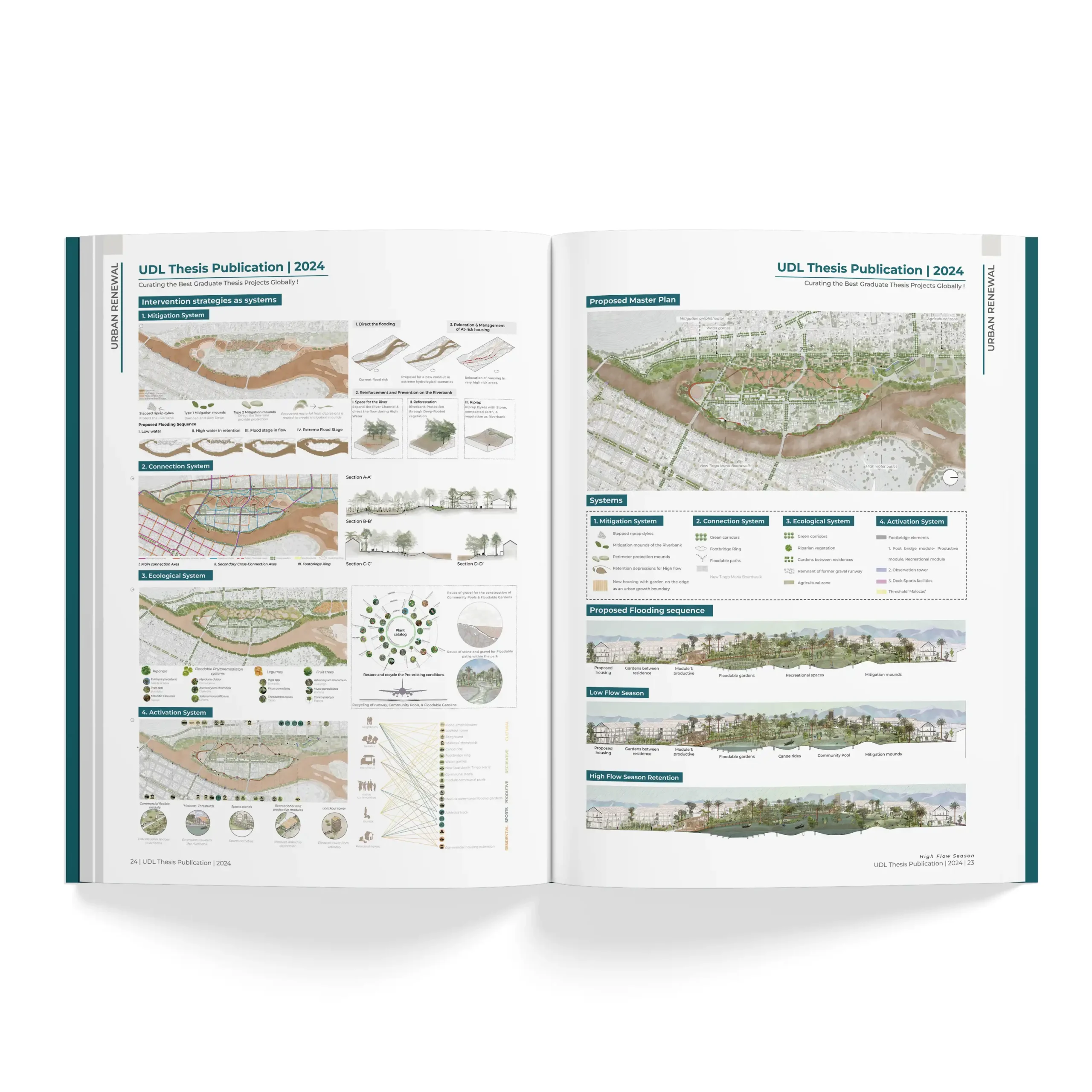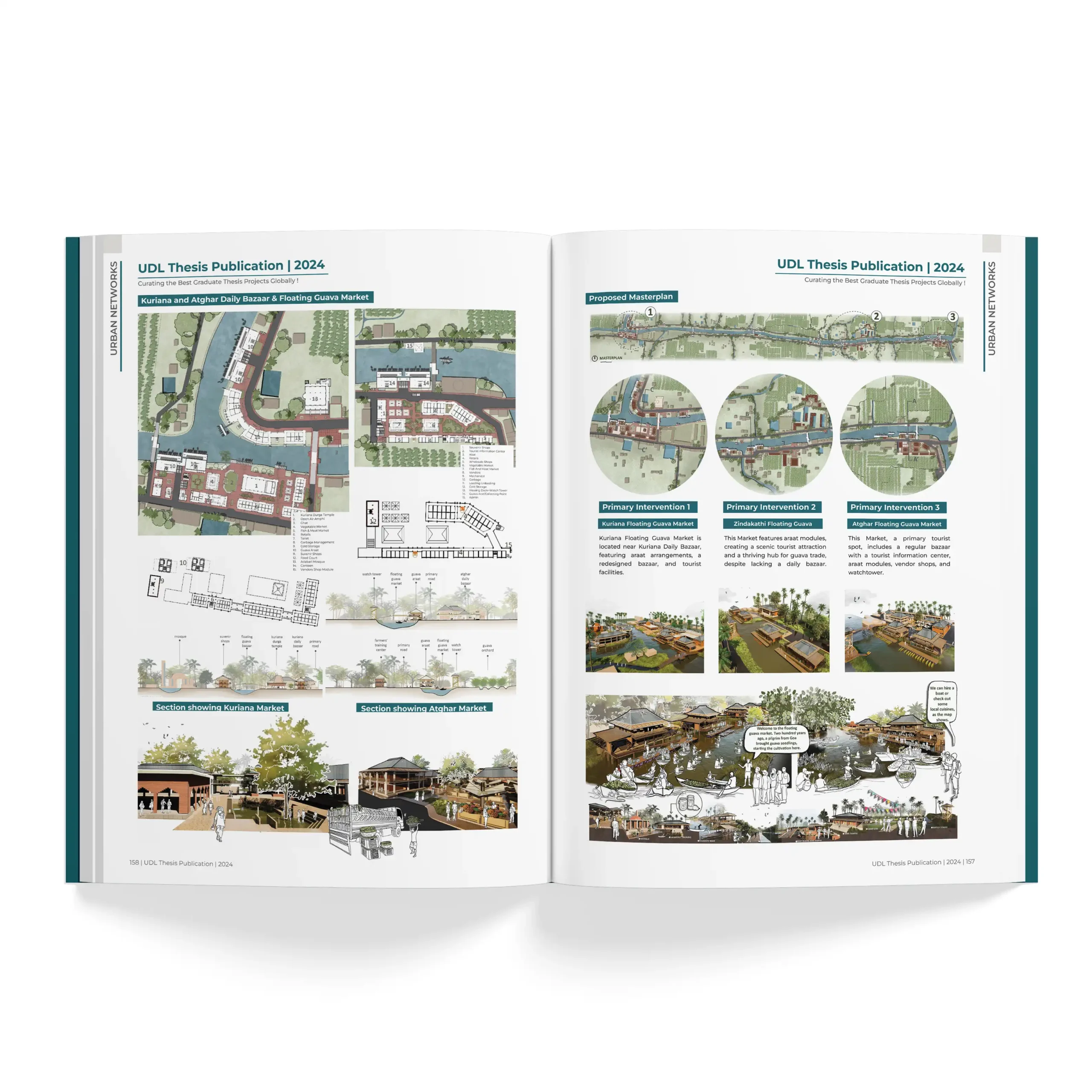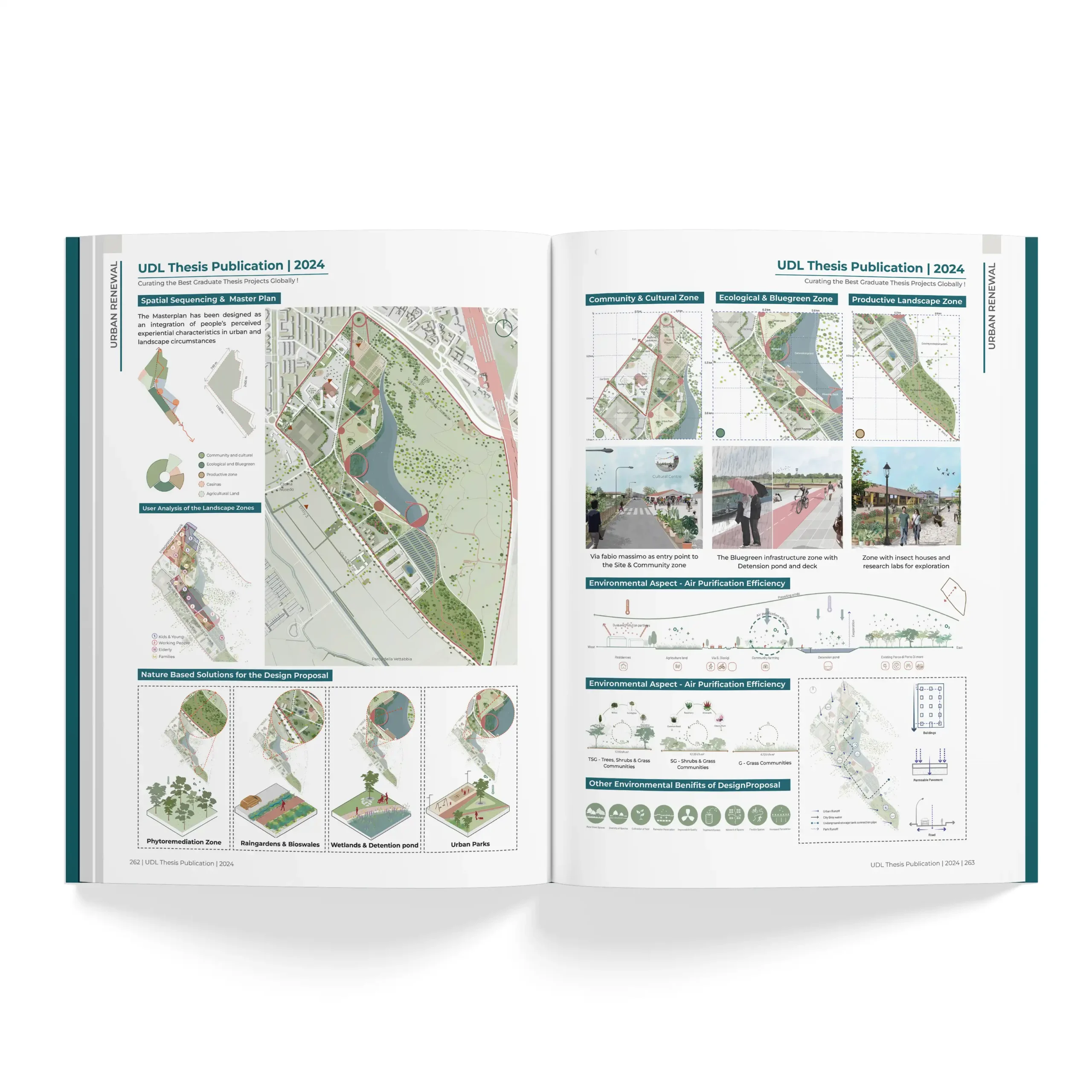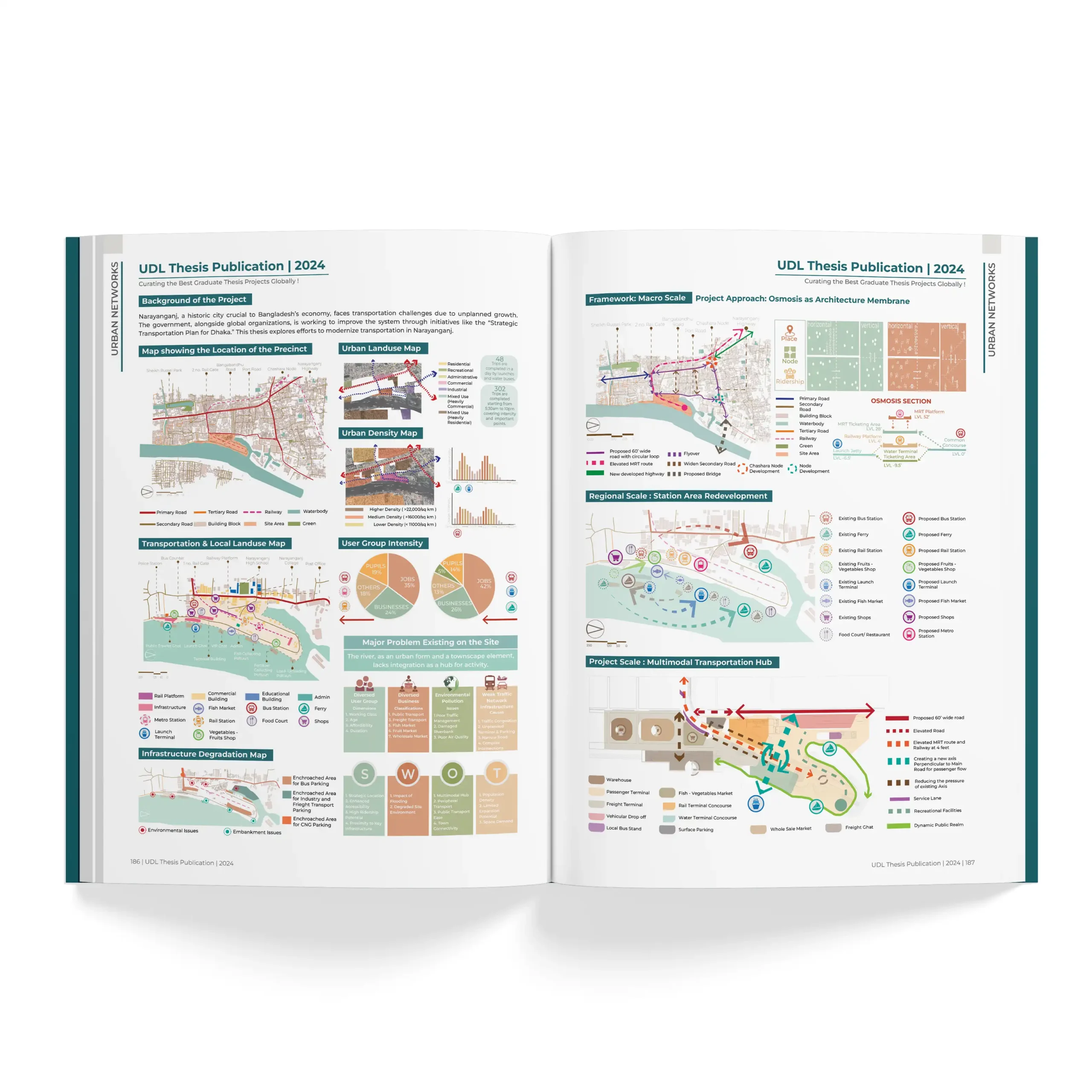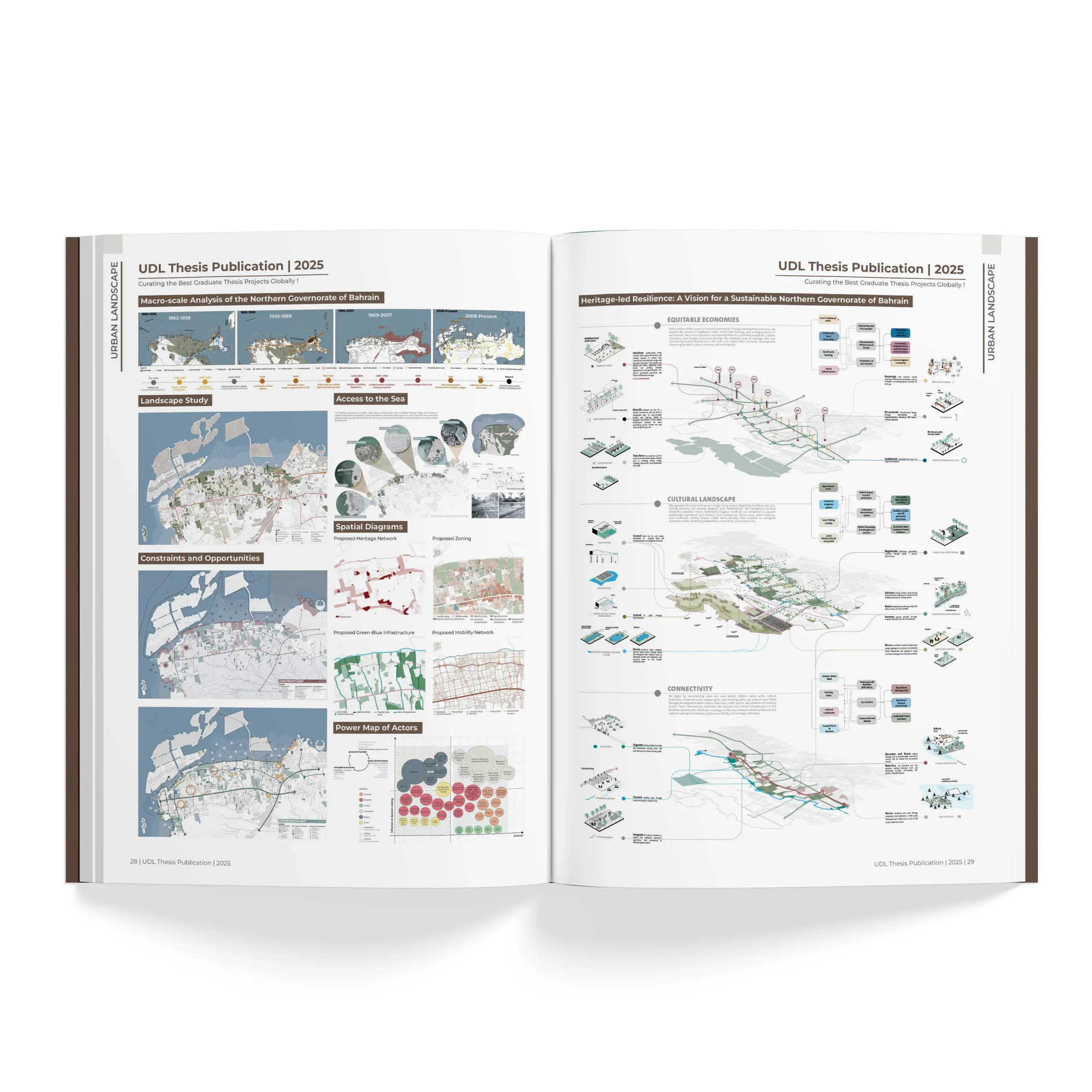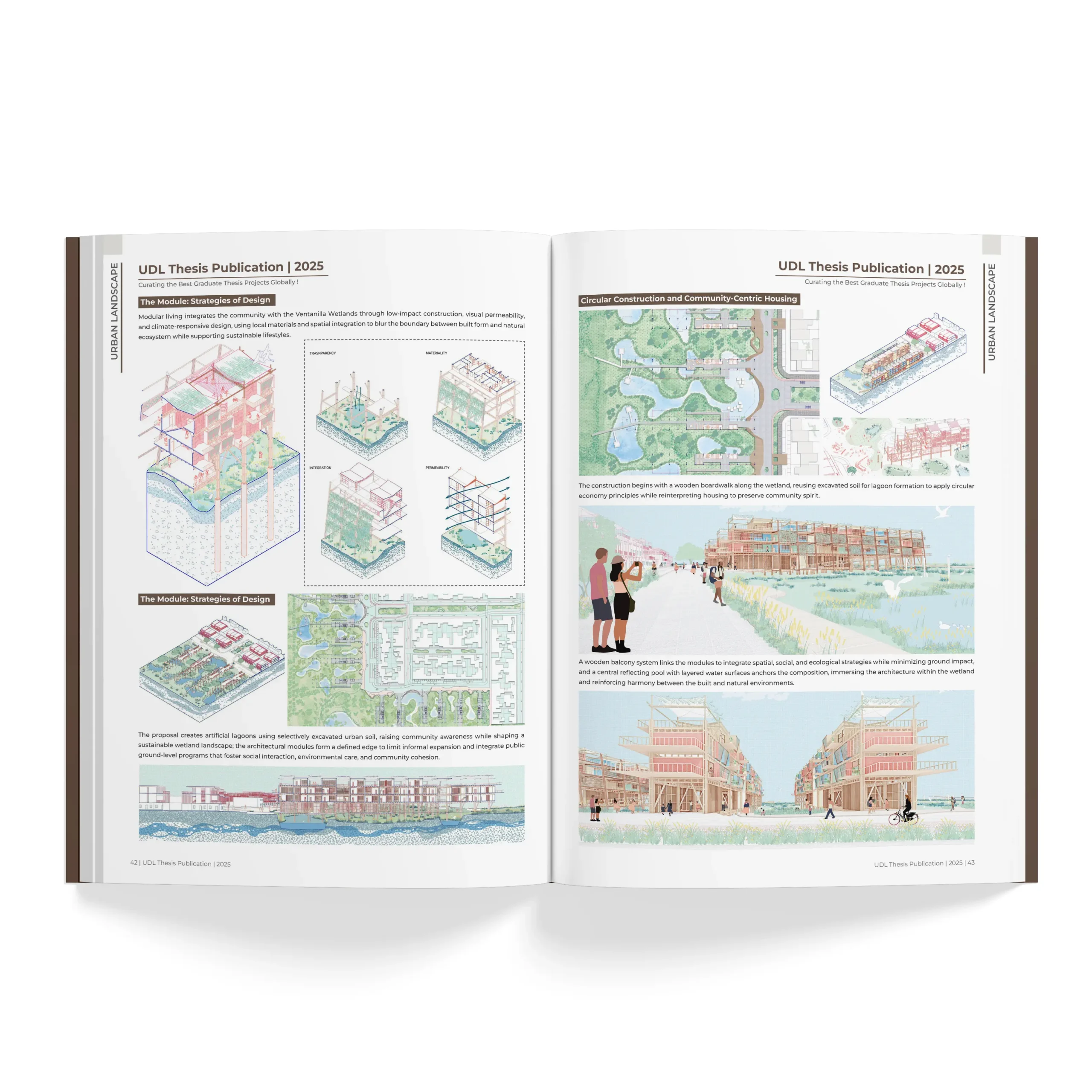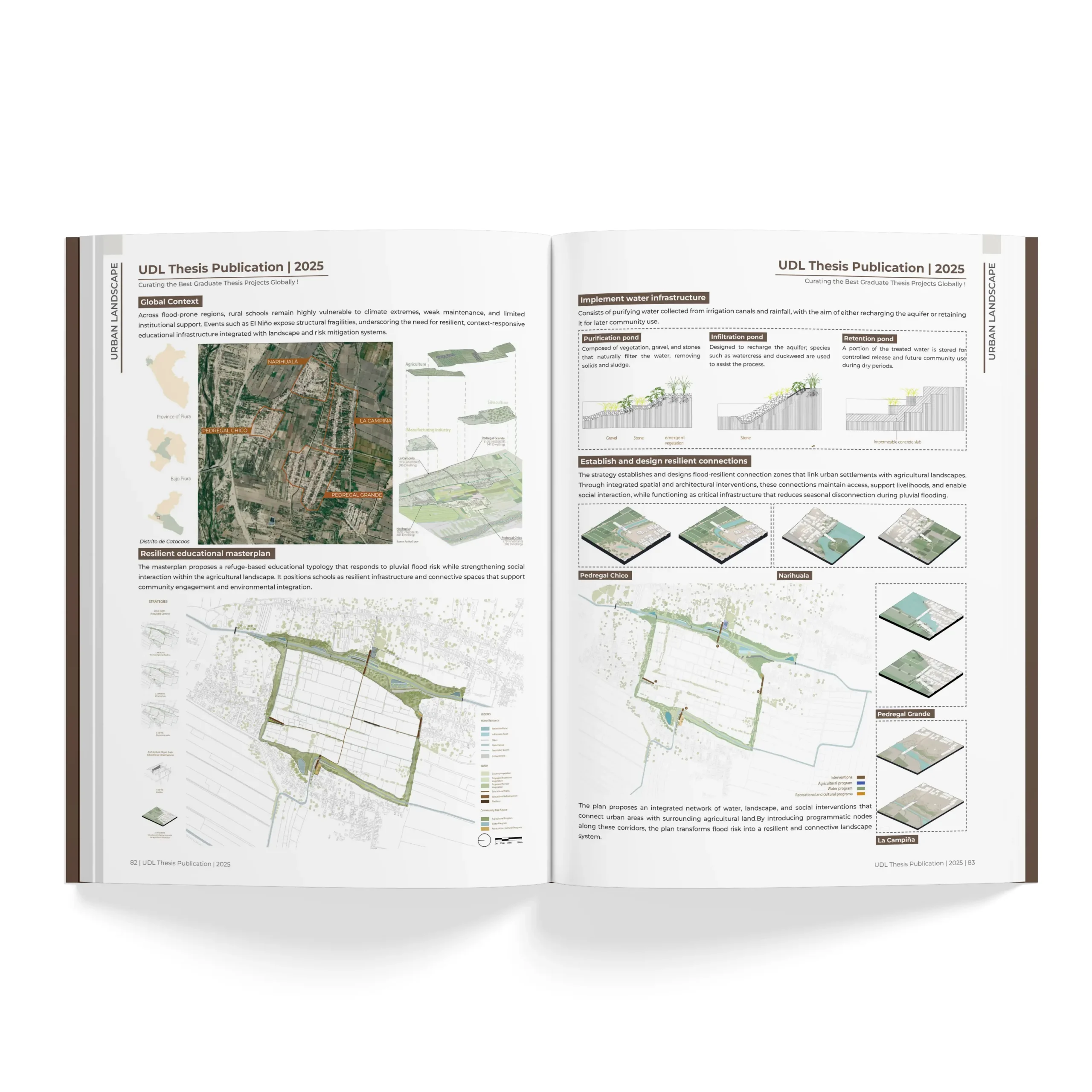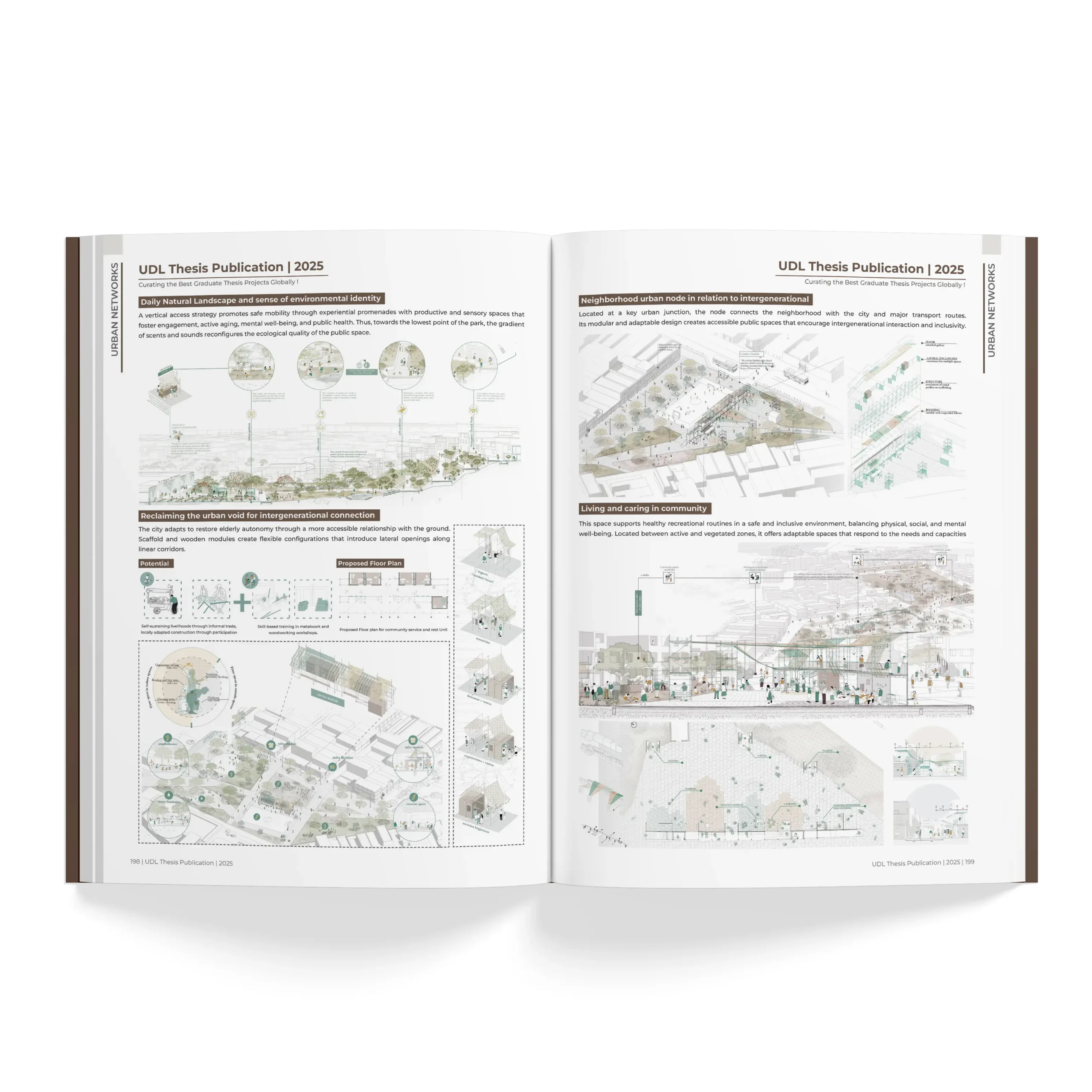
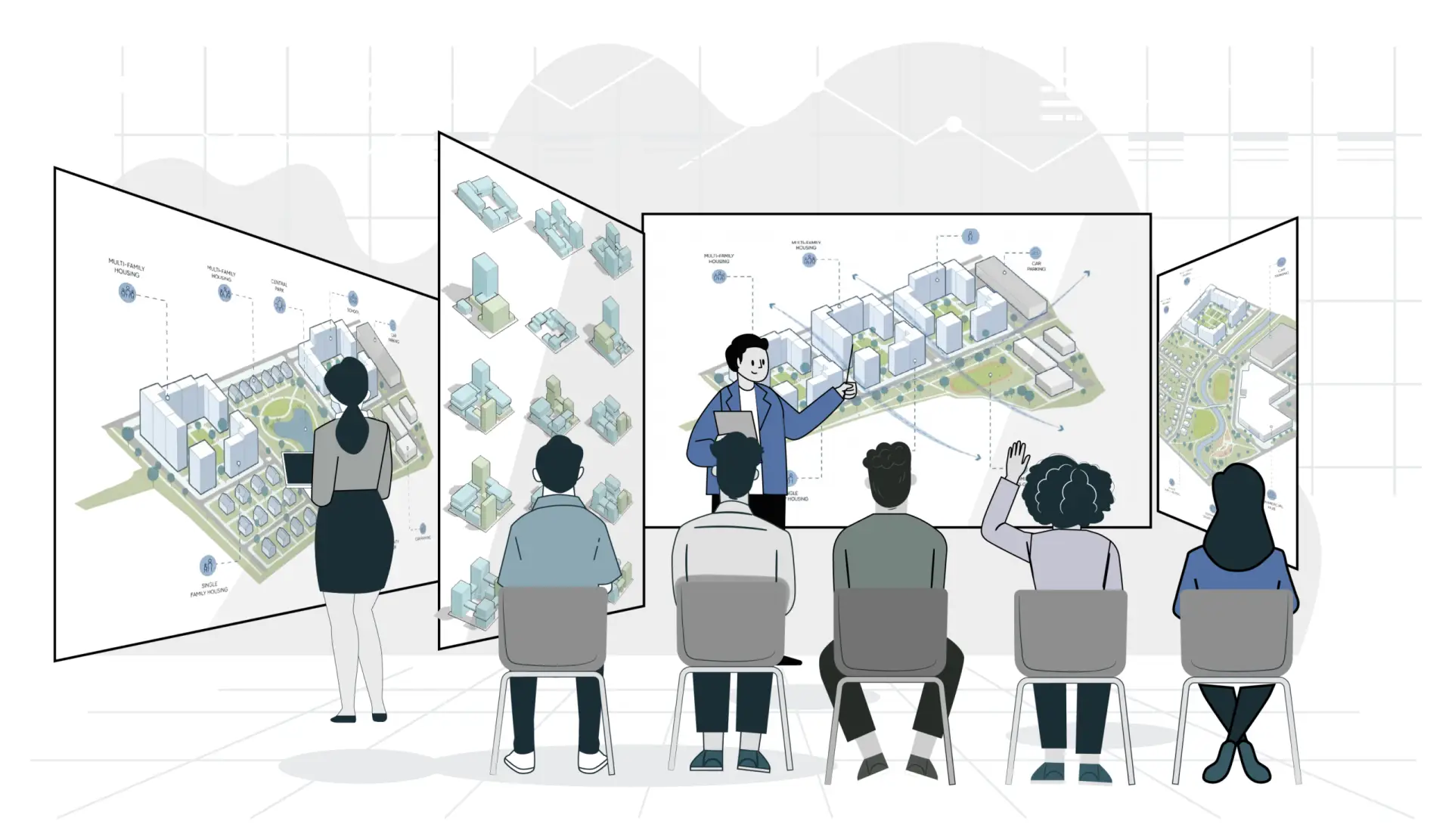










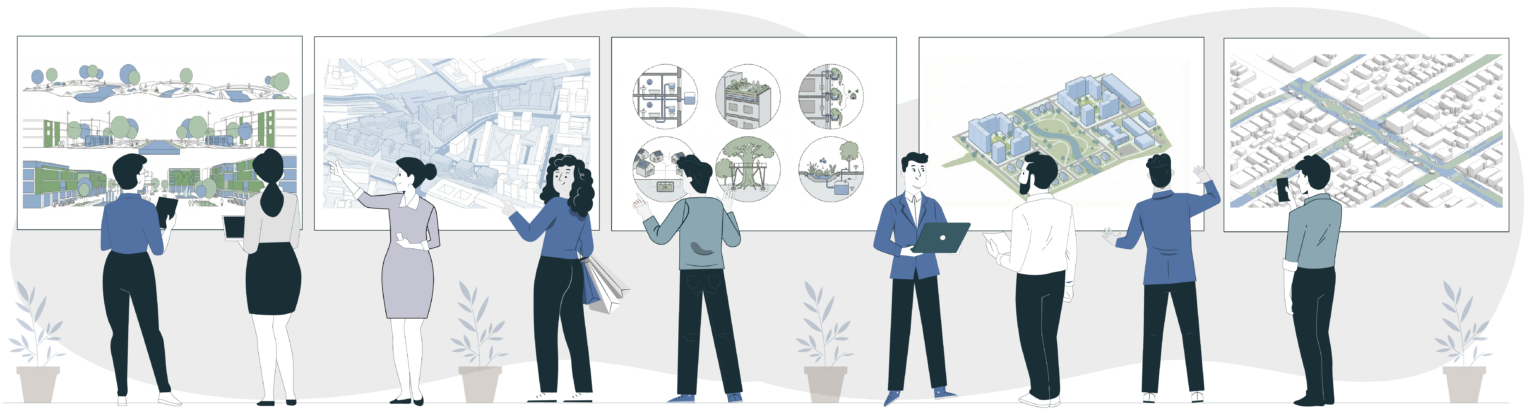























The Urban Design Lab thesis publication provides a unique platform for post-graduate and under-graduate students to showcase their innovative design and research-based thesis projects related to urban design, landscape, architecture, and planning. The publication aims to promote global design and research trends, offering valuable insights for academic and professional communities while fostering innovation and creativity in the field.
The scope of the publication encompasses a selection of outstanding under-graduate and post-graduate student thesis completed in the last five years, in conjunction with the urban domain. These exemplary thesis entries will be compiled into a dedicated book that serves as the official record of the seminar proceedings. The publication will be assigned an International Standard Book Number (ISBN) to facilitate easy reference and recognition globally.
This theme encompasses the conservation, revitalization, and heritage revival of urban areas.
This theme focuses on the management of the natural and built environment in urban areas.
This theme emphasizes the physical, social, economic and infrastructure management of urban areas.
This theme focuses on connectivity, linkages, transit and mobility within and between urban areas.
All participants will be provided with certificates of participation, while a book with an ISBN number will feature the best works of the 40 selected thesis entries. Additionally, the top 40 participants will have the opportunity to present their work to esteemed panel of urban experts and professionals from across the world, through an online seminar. In addition to the top 40 participants, 10 Honorable Mentions will also be recognized and published on our website and social media.
Graduate students who wish to participate in the Urban Design Lab Thesis Publication must meet specific eligibility criteria. Their undergraduate or postgraduate thesis should have been completed within the past five years, and it should be related to the urban domain in the field of urban design, landscape, architecture, and planning. Additionally, the thesis must have received a passing grade from an accredited institution. Meeting these eligibility requirements is essential, since only the works that fulfill these criteria will be considered for inclusion in the publication.
The UDL Thesis Publication Jury panel will evaluate submissions to select exceptional works, with separate evaluation criteria for undergraduate and postgraduate thesis. The evaluation process will be conducted by a team of expert jurors with extensive experience in the field of urbanism. They will conduct a rigorous review of each submission individually to ensure it meets the criteria for inclusion. The jurors will evaluate each submission based on originality, relevance to the theme, and quality of research and analysis. They will be looking for submissions that demonstrate innovative thinking and creative solutions to urban challenges, as well as evaluating each submission’s overall presentation.
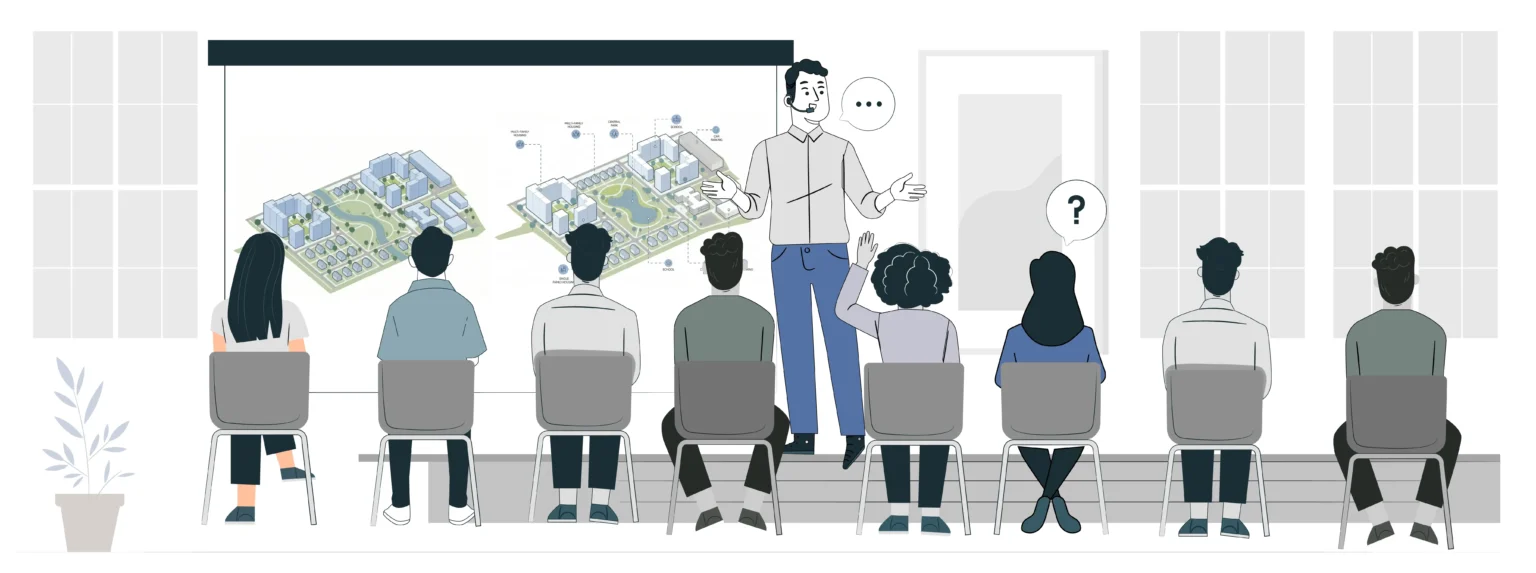
The final publication seminar will take place online for two days and will include panel discussions and presentations from the selected participants only. Selected 40 participants will be informed of the schedule in advance and will be given presentation and formatting guidelines. Presentations categories will be based on each individual seminar theme and will adhere to the specified time limit.
20th July, 2026
31st August, 2026
12-13th September, 2026
December, 2026
40 USD
60 USD
70 USD
Submission Deadline
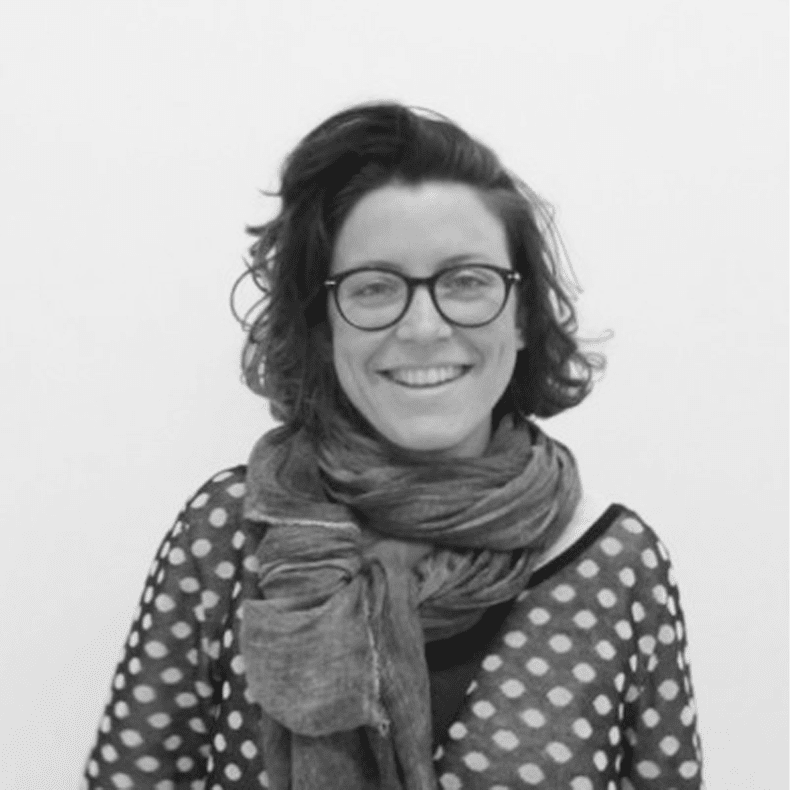
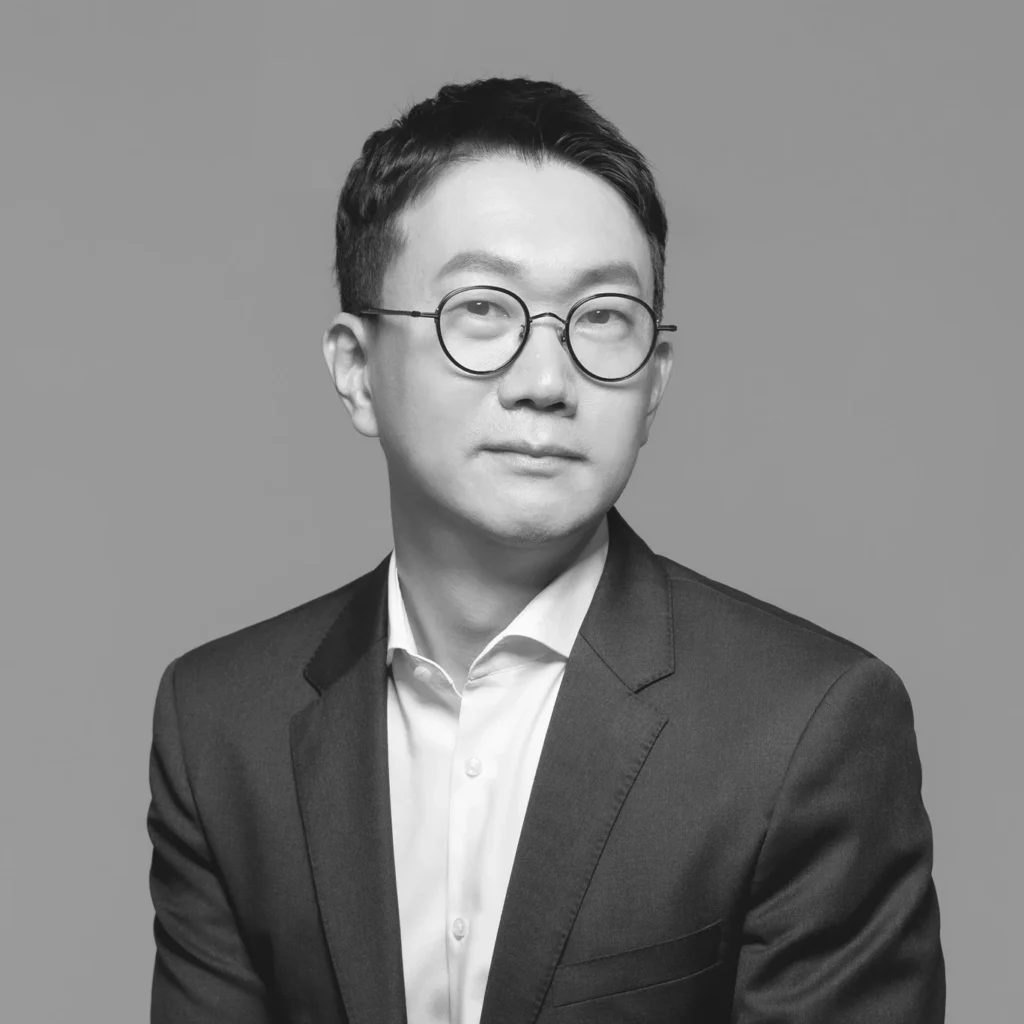
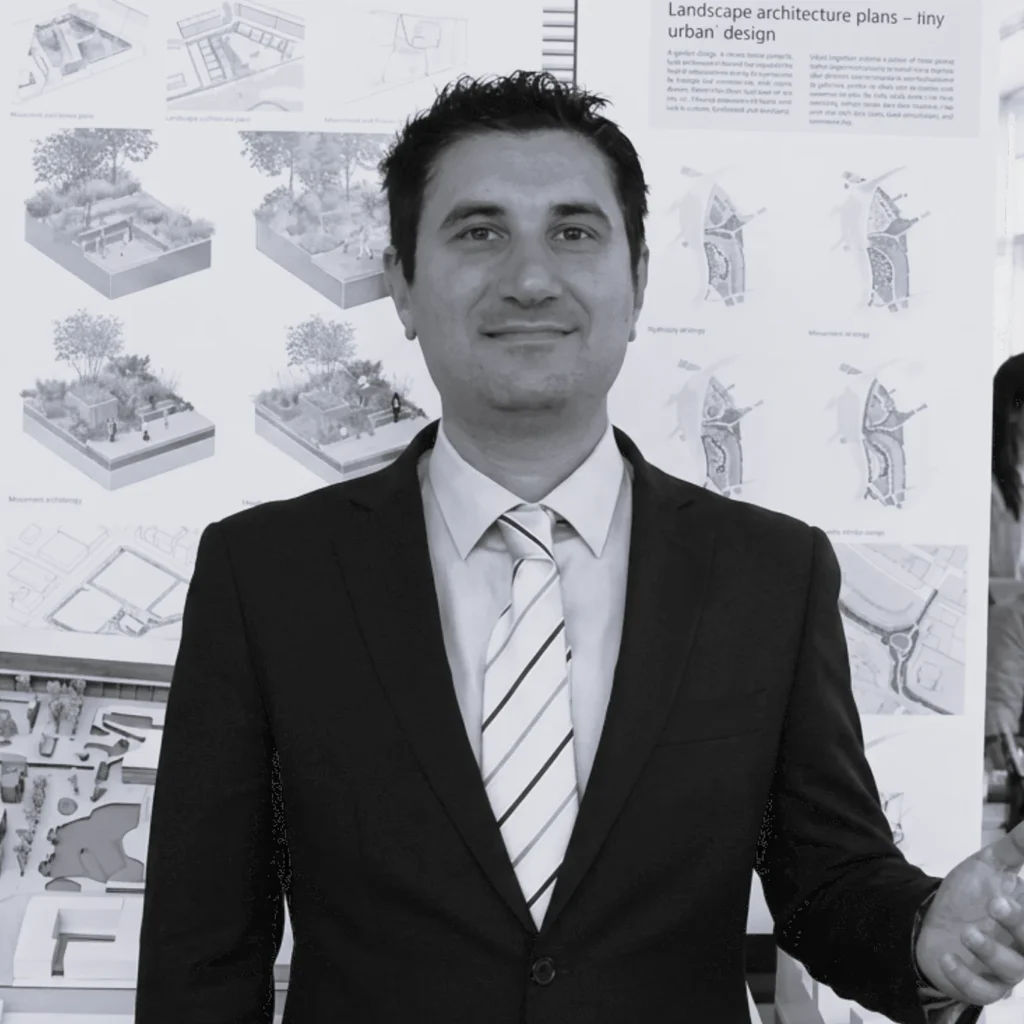
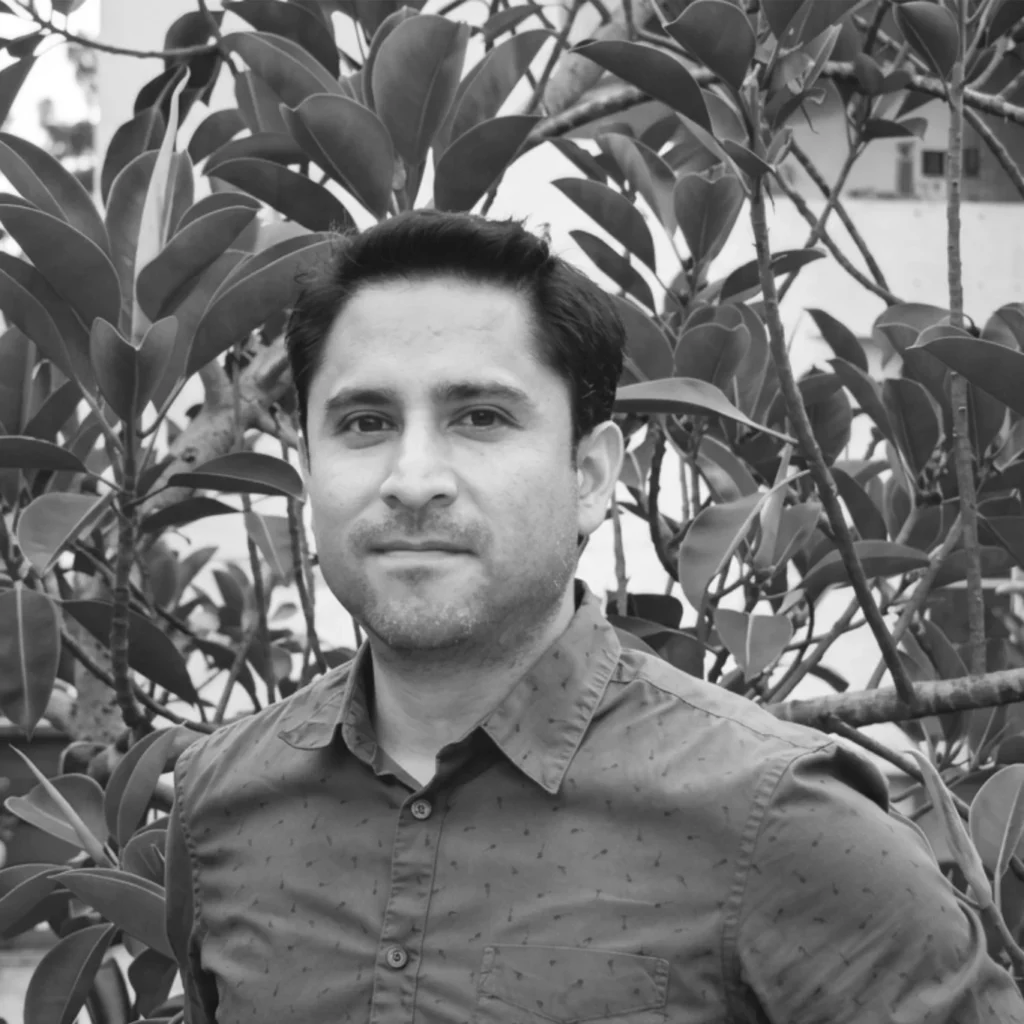
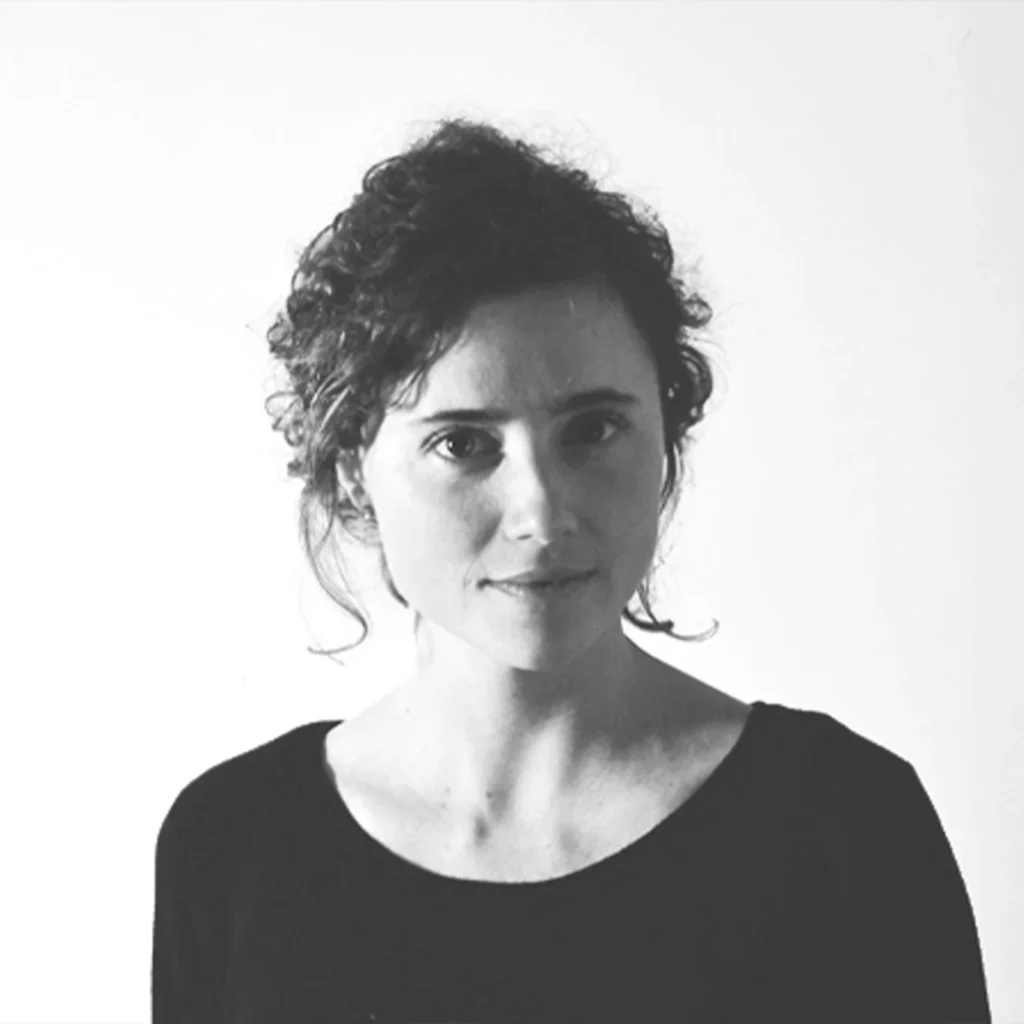
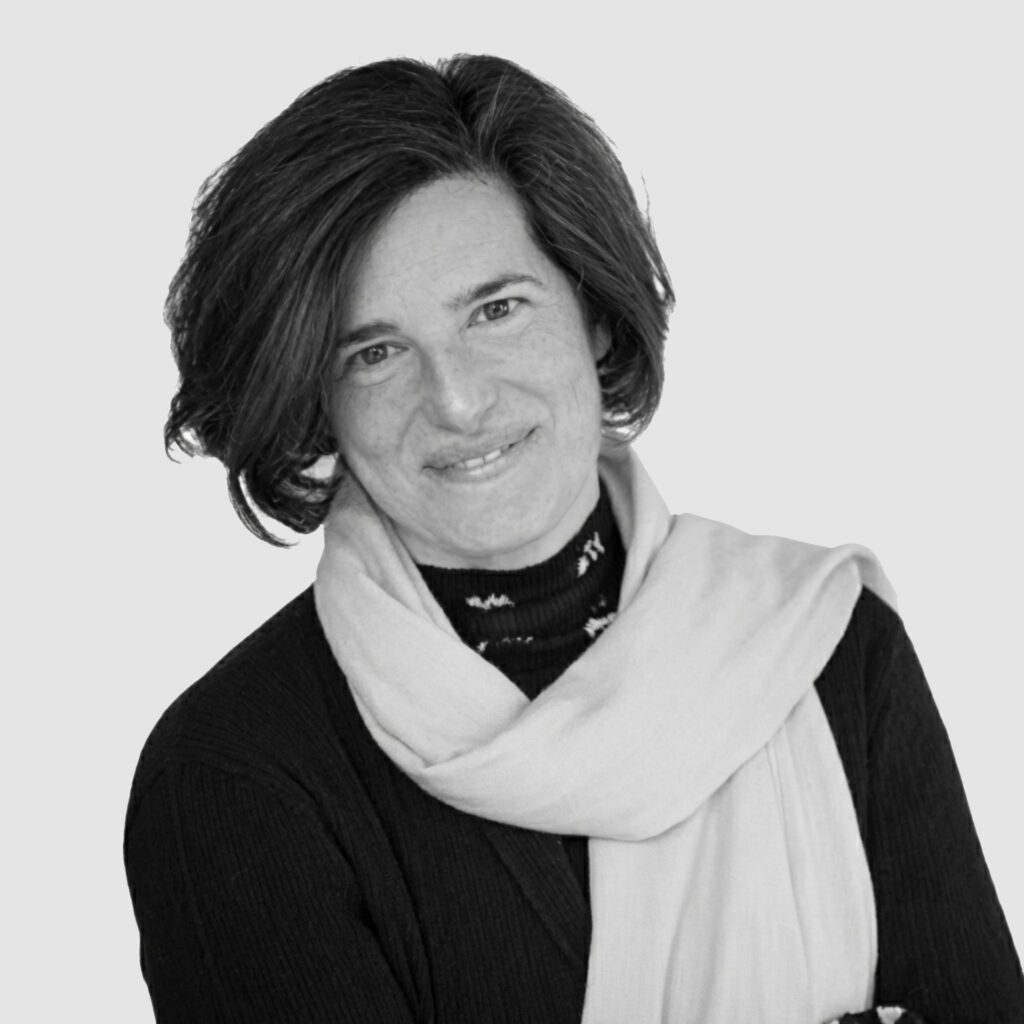
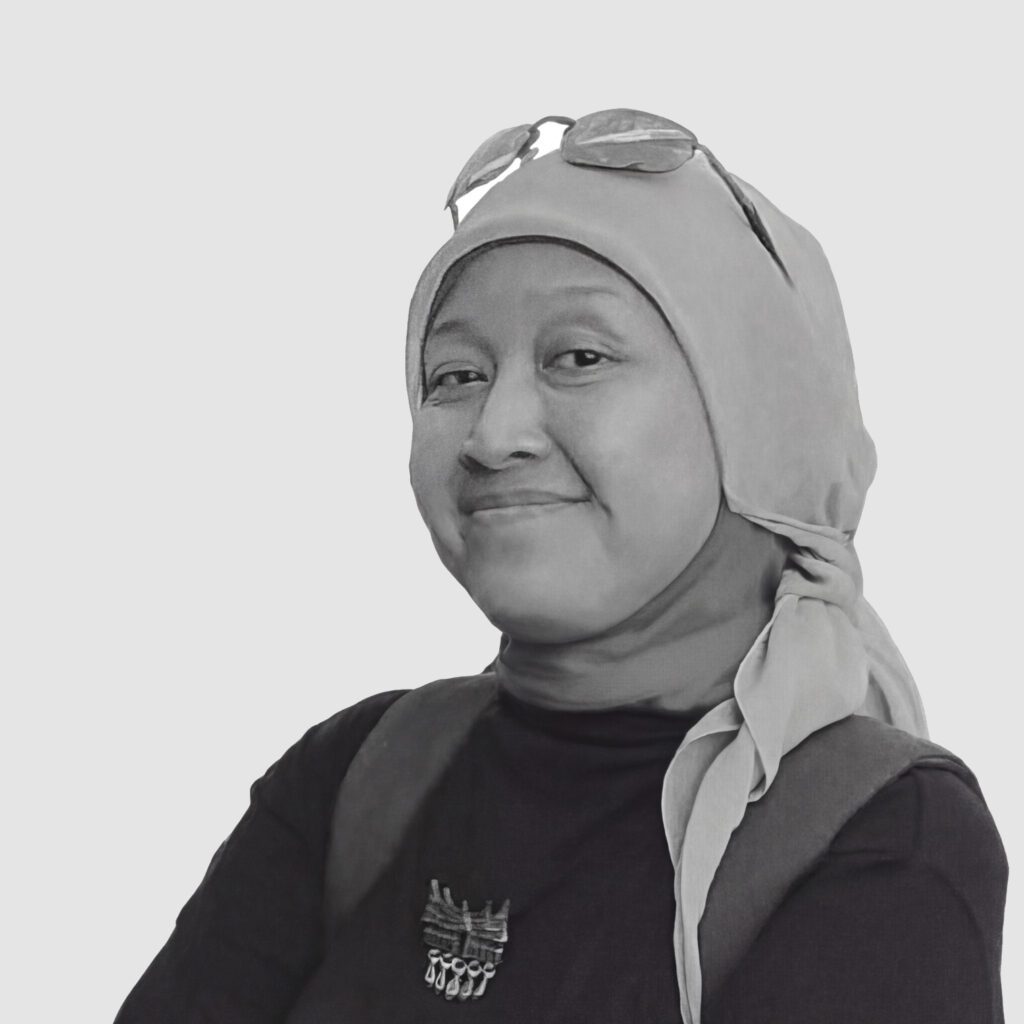
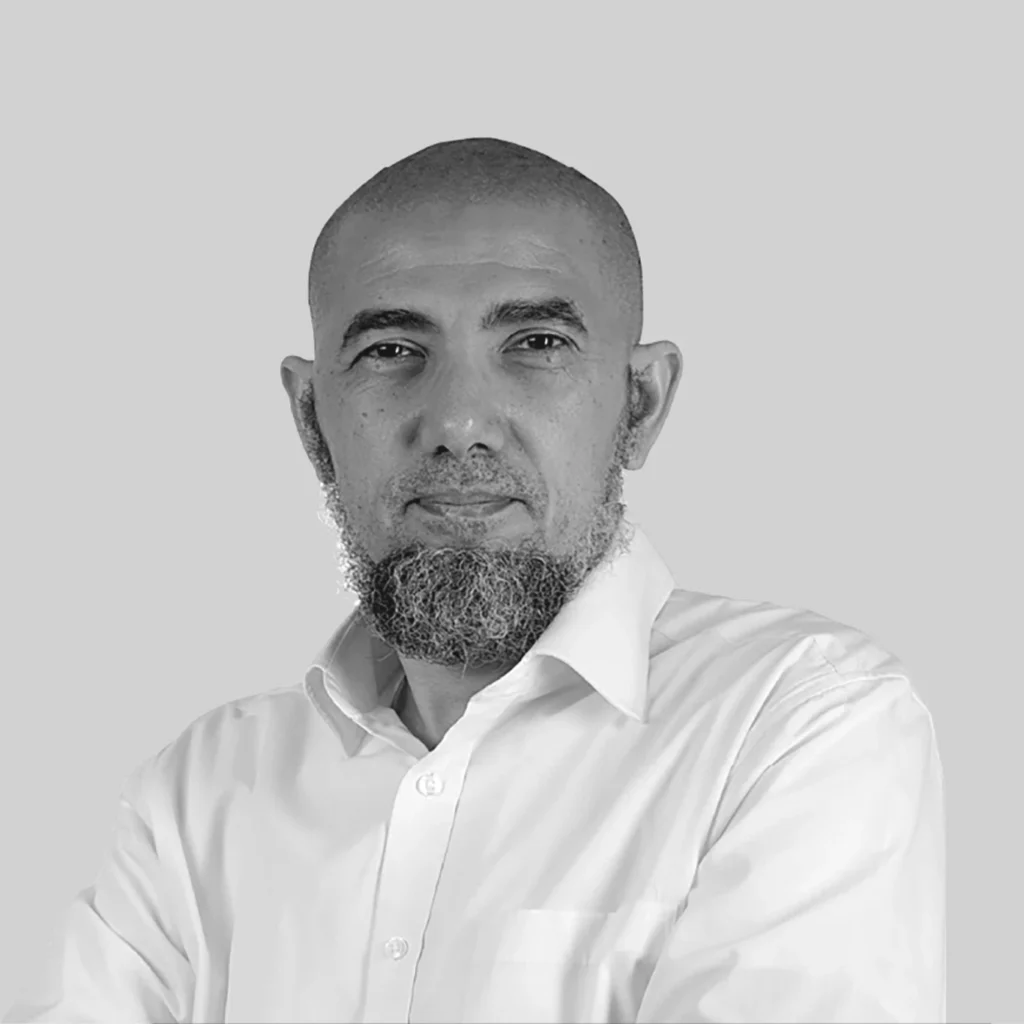
Dr Alessio Russo is an Associate Professor of Landscape Architecture at the Queensland University of Technology (QUT), Australia, within the School of Architecture and Built Environment. He is a recognised expert in urban ecosystem services and green infrastructure, with research exploring their critical intersection with human health and climate change. His work focuses on improving health and wellbeing in cities through the effective planning and design of green spaces. Key areas include enhancing access to high-quality, biodiverse environments, strengthening human–nature relationships, and promoting mental wellbeing to support more resilient, liveable, and equitable urban landscapes.
César Tarazona is an architect from the Pontifical Catholic University of Peru and holds a Master’s degree in Collective Housing from the Polytechnic University of Madrid. He is a part-time professor at the Faculty of Architecture and Urbanism at PUCP, where his teaching focuses on applied research, critical reflection on the city, and the transformation of inhabitable spaces at territorial, urban, and neighbourhood scales. His work has received recognitions including the BIAU XIII Pedagogies Prize, and the Hexágono de Oro at the Peruvian Architecture Biennial. Author of the book Obra habitada (Inhabited Work).
Giulia Setti is an architect, researcher, and Assistant Professor at Politecnico di Milano, where she has been teaching since 2015 in both Bachelor’s and Master’s programs. Holding a PhD in Architectural and Urban Design, her work focuses on housing design, urban transformation, and the regeneration of industrial buildings. Her research explores the relationship between urban form and context, with a particular interest in informal settlements and public spaces in global settings such as India and China. As a thesis supervisor, she guides students on topics including urban regeneration, industrial reuse, and the evolution of public spaces, contributing to a deeper understanding of contemporary urban challenges. Passionate about architectural education, she integrates theoretical and practical approaches to enhance design methodologies. Her commitment to interdisciplinary research fosters innovative solutions for sustainable urban development and adaptive reuse strategies.
Sunggi Park is a registered architect in New York, the United States and currently a public architect for Seoul Metropolitan Government, and an assistant professor at Seoul National University of Science and Technology in Korea. In 2014, he graduated from Harvard University’s Graduate School of Design where he was nominated as a finalist for James Templeton Kelley Prize for Best Final Design Project and for the Araldo A. Cossutta Annual Prize for Design Excellence. He was a finalist for the KPF Traveling Fellowship in 2013 and has received around 40 awards for a number of competitions for designs along a broad range of scales.
Jeannette Sordi is a New York-based designer and academic working across landscape architecture, planning, and urbanism. She is a Visiting Associate Professor at New York Institute of Technology and a consultant for the Inter-American Development Bank. Previously, she taught at Adolfo Ibañez University in Chile and at Syracuse University. She holds a Ph.D. from the University of Genoa and was a visiting student at Harvard GSD. Her published books include Landscape as Urbanism in the Americas (Ness, 2020) and Ecological Design. Strategies for the Vulnerable City (IaDB, 2021, 2022).
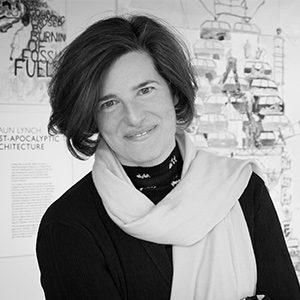
Karen Nelson, Dean and Faculty of Architecture at the Boston Architectural College began teaching in 1994, served as Director 1998 – 2013 and curated exhibits since 2012. Karen created the Just Space Lecture Series in 2018. Before joining BAC, Karen practiced architecture: housing in NYC, schools, and commercial projects. Karen taught at RISD in landscape arch. from 1995 until 2012. In 2025, she published writings in Landscape Design – Exploring Sustainable Landscapes. Dean Nelson earned her Master of Architecture from Columbia University and Bachelor of Science in Art and Design from MIT
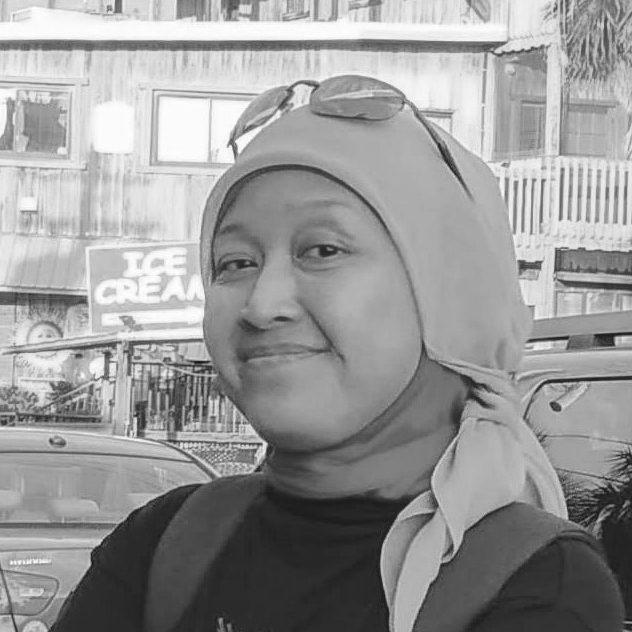
Beta Paramita is an Associate Professor in Architecture at Universitas Pendidikan Indonesia, specializing in sustainable cities, green buildings, and building performance with a focus on outdoor thermal comfort. She is a board member of IBPSA-ID (Indonesia chapter) and actively contributes to RDI (Research Resilience Initiative) on community, environmental change, and sustainable development. She founded Pendidikan Hijau, a movement promoting building performance-based design education, and won the 2022 Million Cool Roofs Challenge, leading to the establishment of the start-up BeCool Indonesia. Recognized as an outstanding lecturer in 2023, she developed RAFLESIA, a solar-reflective house using metal panels with 90% solar emissivity and 72.9% solar reflectance, showcasing her commitment to innovative and sustainable architectural solutions.
Dr. Mohamed is a professor of architecture and design at Effat University. He has taught Architecture at several Departments in Egypt and KSA. His main concern now is to pass on his practical experience of design to younger generations of architects as well as to develop educational courses that reflect these concepts to the architectural students. His research interests include Architecture Theories, Design Process, GIS, and Urban Conservation. He is a member of the International Society for Development & Sustainability, the Board of Directors of the Saudi Umran Society, and Vice-chair of the Saudi Planners Association (SPA). Additionally, Dr. Mohamed actively collaborates with international researchers and institutions to bring global perspectives into his teachings and research, aiming to foster a more interconnected and informed architectural community.
To select the theme for submission, you should carefully read the segment about “Publication Themes” provided above and if your thesis falls under any theme based on the diverse areas of focus and research mentioned within, you may submit your thesis entry for the particular theme.
The contact information for participants needing additional support is [email protected]. You may contact the provided email address for any queries.
Yes, it is recommended to format your sheets/panel before submitting the compiled thesis portfolio according to the guidelines provided in the section “Formatting Guidelines” by 20th July, 2026. However, the initial stage only requires 500 words abstract submission.
Your entry will be evaluated separately based on under-graduate and post-graduate categories, you can access more information from the segment specified as the “Evaluation Criteria”, which also includes criteria relating to originality, relevance to the theme and subtheme, methodology, design approach and overall presentation quality.
Regrettably, due to the large number of submissions, we are unable to provide personal feedback or comments to all participants.
Modifying a submission after it has been made will not be possible, as per the publication policy.
The registration fee is non-refundable, even if you withdraw your entry or are unable to submit within the specified submission schedule.
You must receive a confirmation email post registration and submission. If you haven’t received any confirmation, you should contact [email protected] to confirm your registration status.
No. You can only submit one entry, it can either be your under-graduate or post-graduate thesis within one specific theme.
If the payment gateway is not available in your country, you can contact [email protected] to discuss alternative payment methods.
Payments are handled by Stripe, Google Pay and PayPal Payment Gateways. You can pay by scanning the provided QR code or accessing the payment link.
The currency for paying the registration fee is United States dollar (USD) and Indian Rupee (INR).
You can use online currency exchange calculators or contact your bank to calculate the currency exchange rate to pay for the registration fee.
The exact date for receiving the participation certificate may vary depending on the publication policy, but typically, it will be provided after the online two-days publication seminar is over.
Yes, you can attend the publication seminar even if your thesis is not shortlisted. The link to join will be shared with the registered email id.
The Publication book will only be available in hard copy which can be purchased from our website.
The language you should use while submitting your thesis is English as is the most widely accepted language in academic events.
The thesis Portfolio will be submitted after registration, you must upload it via the web-link that you will be directed to. This link will also be shared via registered email ID. Please ensure that you upload your Thesis Portfolio by 20th July, 2026, as late submissions will not be accepted.
Here is the link for UDL Thesis Publication Brief that we recommend you go through prior to Registering.
UDL Thesis Publication Brief :
| Cookie | Duration | Description |
|---|---|---|
| cookielawinfo-checkbox-analytics | 11 months | This cookie is set by GDPR Cookie Consent plugin. The cookie is used to store the user consent for the cookies in the category "Analytics". |
| cookielawinfo-checkbox-functional | 11 months | The cookie is set by GDPR cookie consent to record the user consent for the cookies in the category "Functional". |
| cookielawinfo-checkbox-necessary | 11 months | This cookie is set by GDPR Cookie Consent plugin. The cookies is used to store the user consent for the cookies in the category "Necessary". |
| cookielawinfo-checkbox-others | 11 months | This cookie is set by GDPR Cookie Consent plugin. The cookie is used to store the user consent for the cookies in the category "Other. |
| cookielawinfo-checkbox-performance | 11 months | This cookie is set by GDPR Cookie Consent plugin. The cookie is used to store the user consent for the cookies in the category "Performance". |
| viewed_cookie_policy | 11 months | The cookie is set by the GDPR Cookie Consent plugin and is used to store whether or not user has consented to the use of cookies. It does not store any personal data. |