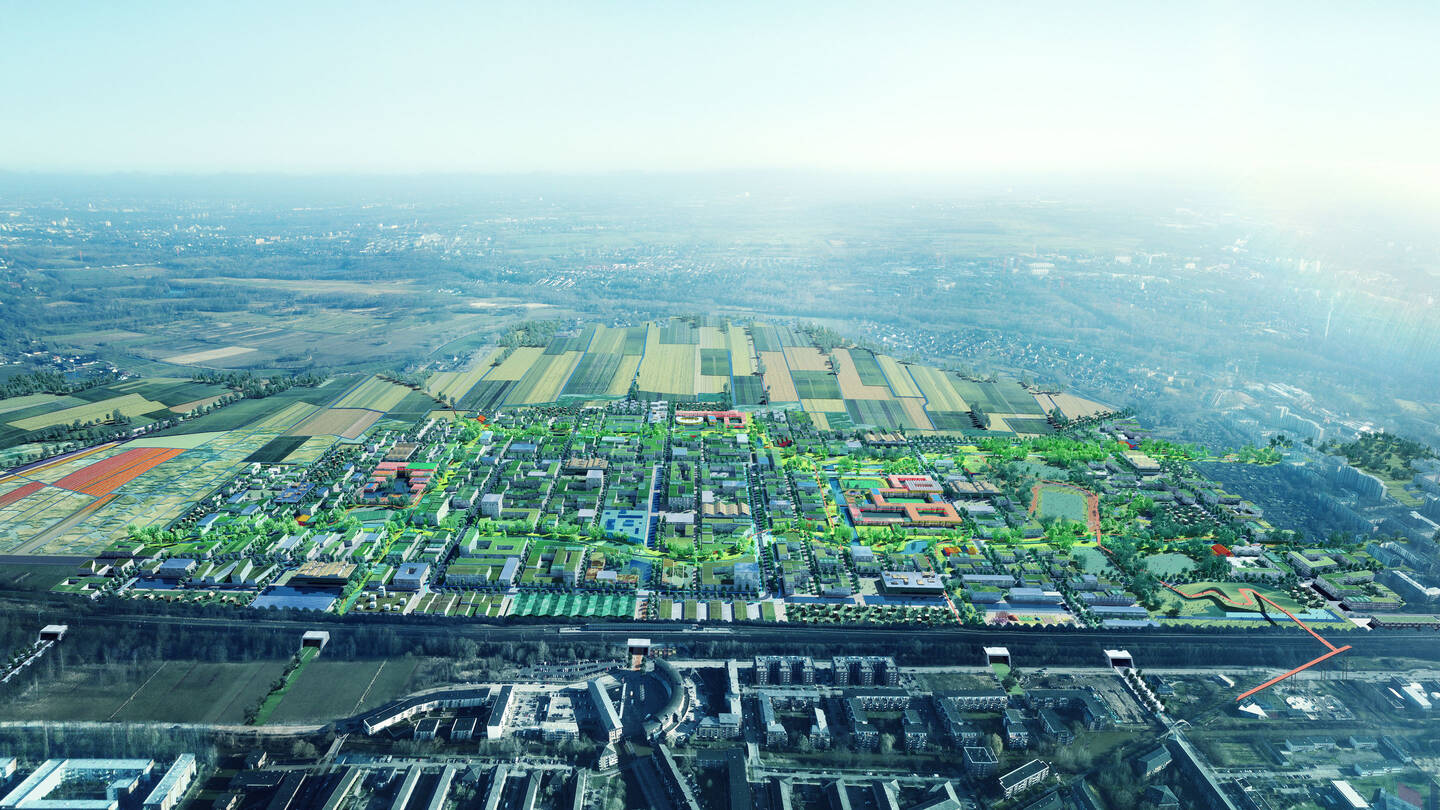
Oberbillwerder | Hamburg DE | ADEPT
Close to both city and landscape, Oberbillwerder is the largest one-off development in Germany since Hafen City. Once completed, the DGNB Platinum pre-certified plan for
Close to both city and landscape, Oberbillwerder is the largest one-off development in Germany since Hafen City. Once completed, the DGNB Platinum pre-certified plan for
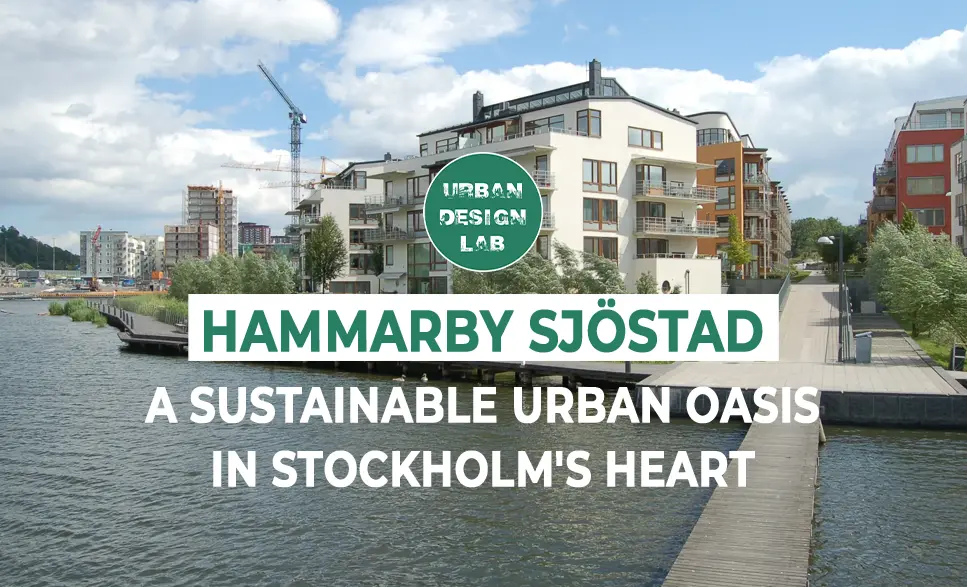
Discover how Hammarby Sjöstad in Stockholm exemplifies sustainable urban living, blending eco-friendly innovations with community-focused design.
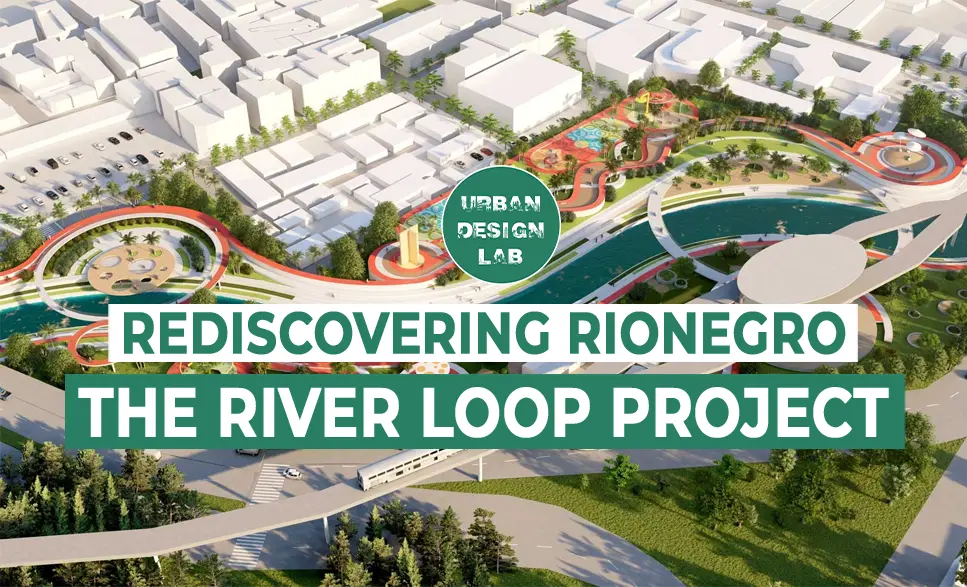
A Visionary Urban Renewal Initiative Transforming Rionegro’s Riverfront
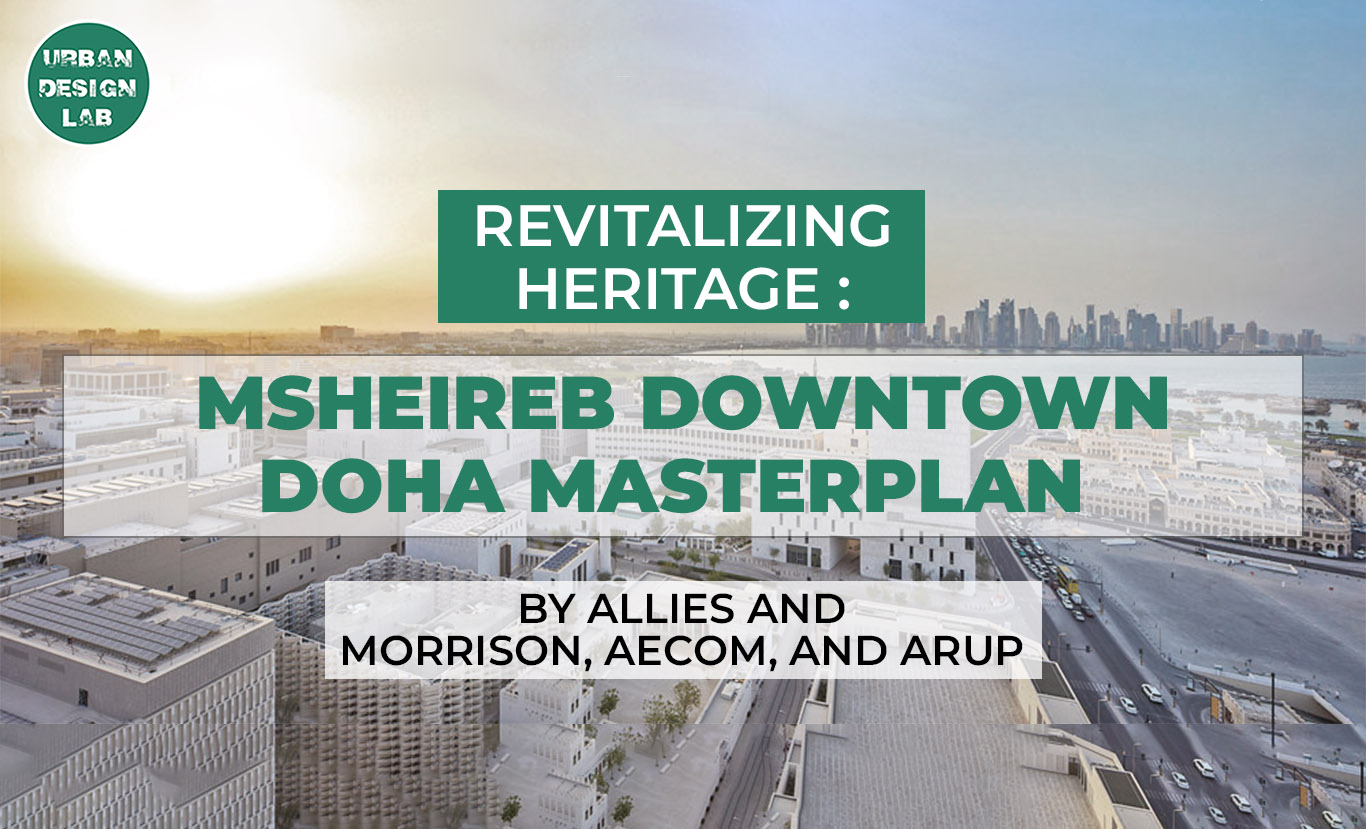
Msheireb Downtown, a mixed-use development, is an initiative to revitalize Doha’s old business district. It’s a new center for living, entertainment, and business.

This article studies the architecture of The Park, a community centre completed in 2023 in Vietnam by MIA Design Studio.
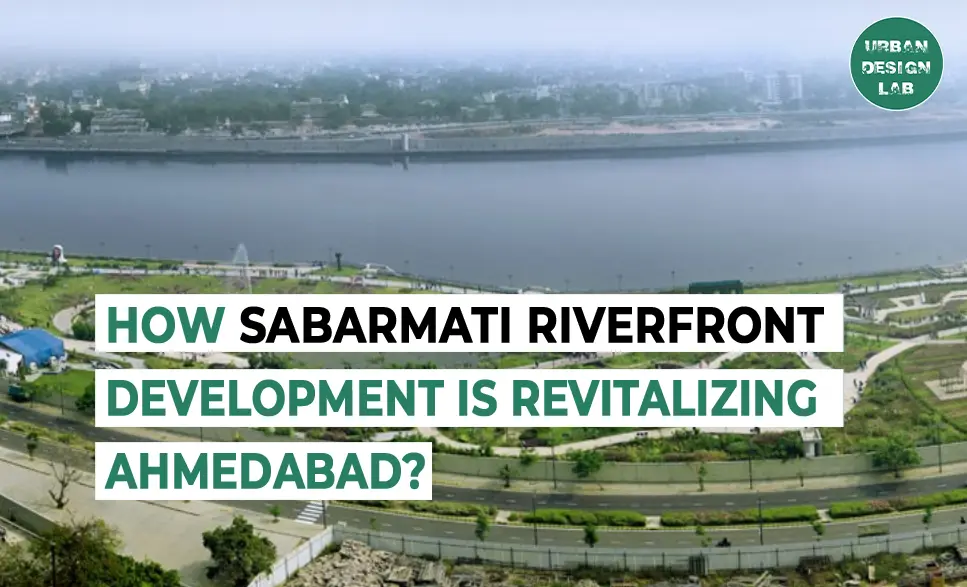
The Sabarmati Riverfront project revitalized Ahmedabad, transforming the waterfront into vibrant public spaces, enhancing flood management, promoting sustainability, and fostering social cohesion, making it a model for inclusive urban development.
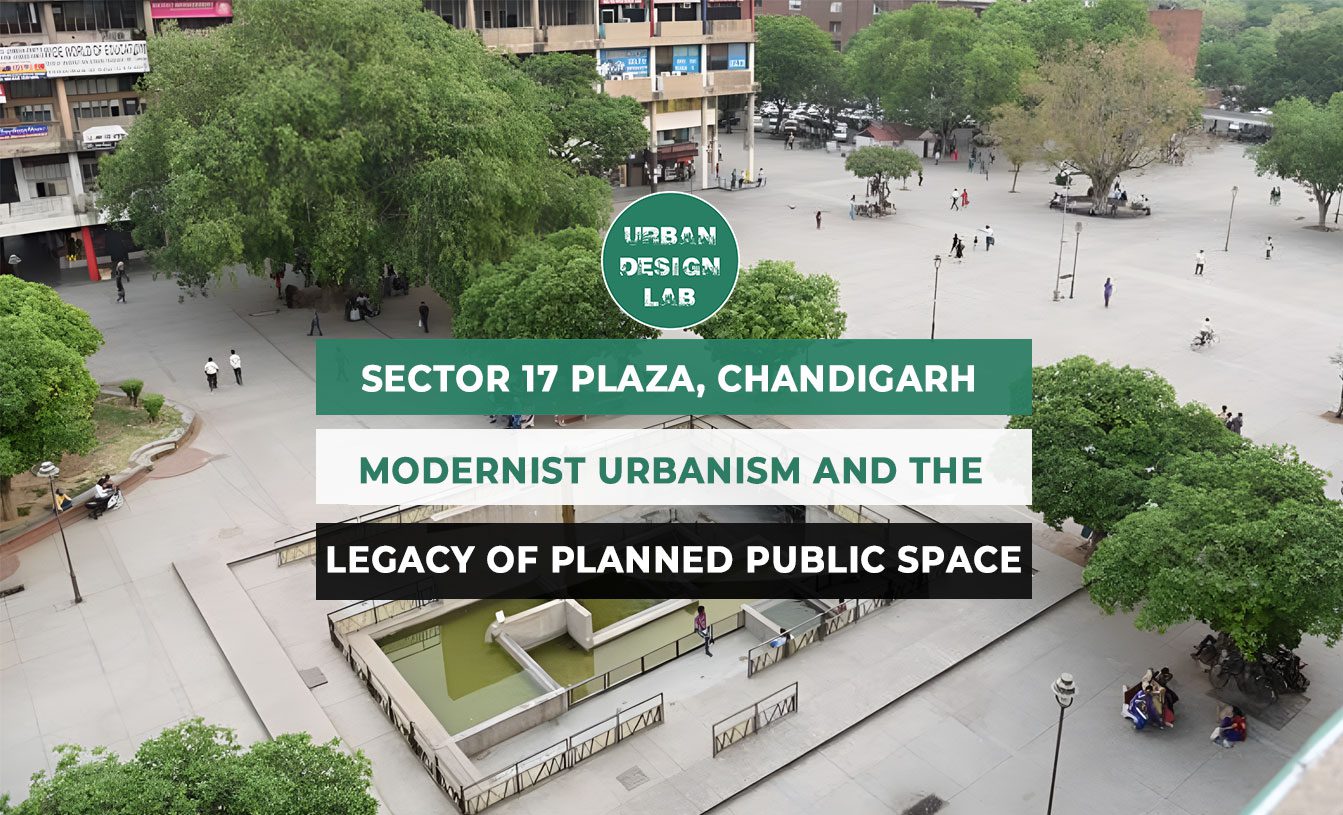
An exploration of Chandigarh’s Sector 17 Plaza focusing on its modernist legacy urban challenges and strategies to revitalize it as a vibrant people-oriented public space.
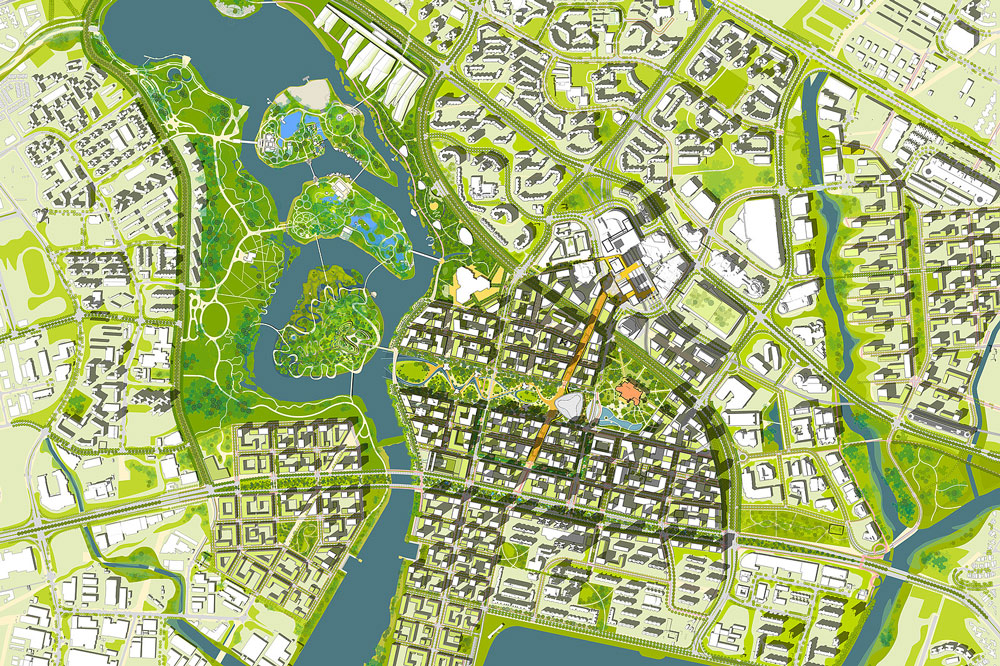
Detailed masterplan for a high-density mixed-use transit-oriented development The Jurong Lake District regional centre in west Singapore will be developed into Singapore’s 2nd Central Business
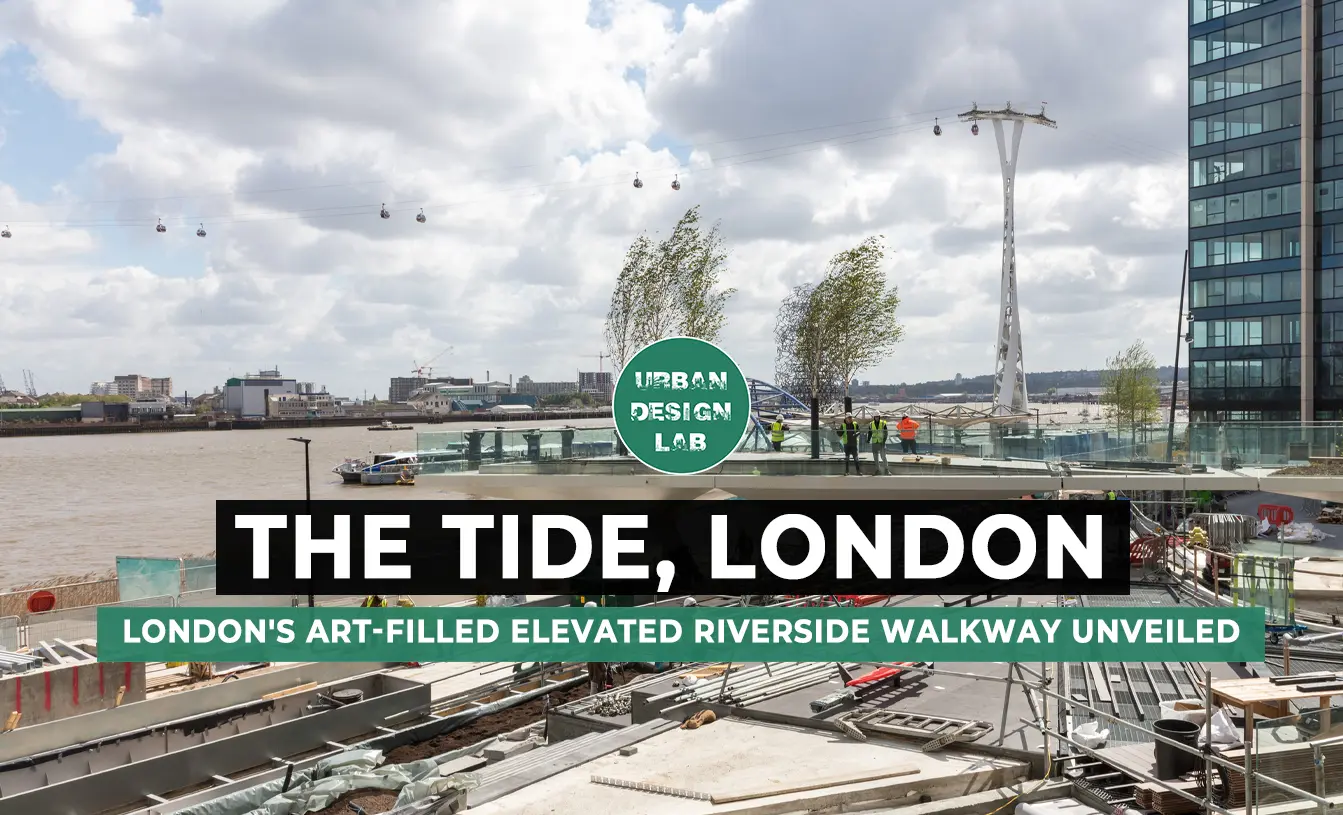
London’s first elevated linear park transforms Greenwich Peninsula with a spectacular fusion of contemporary art, sustainable design, and community-focused public space along the River Thames.