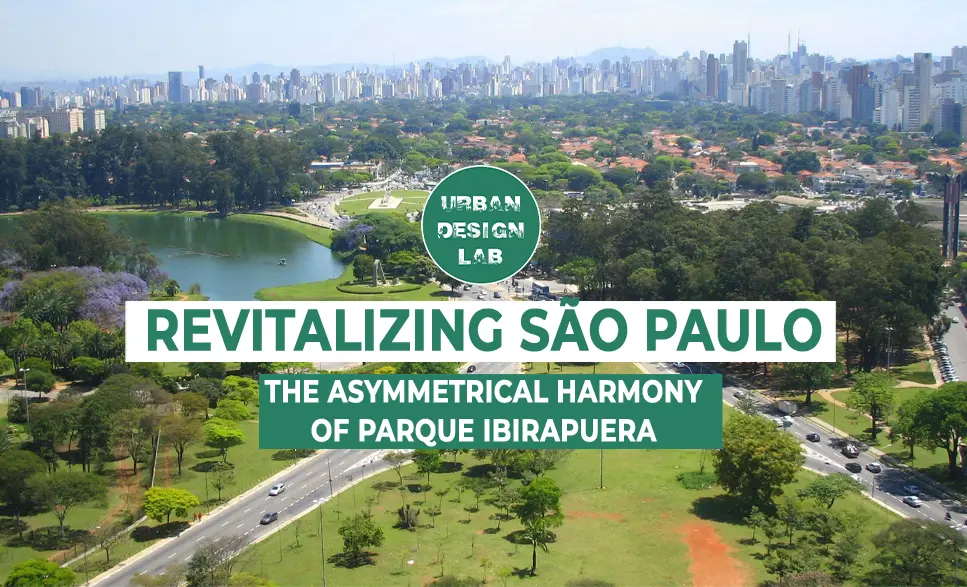
Revitalizing São Paulo: The Asymmetrical Harmony of Parque Ibirapuera
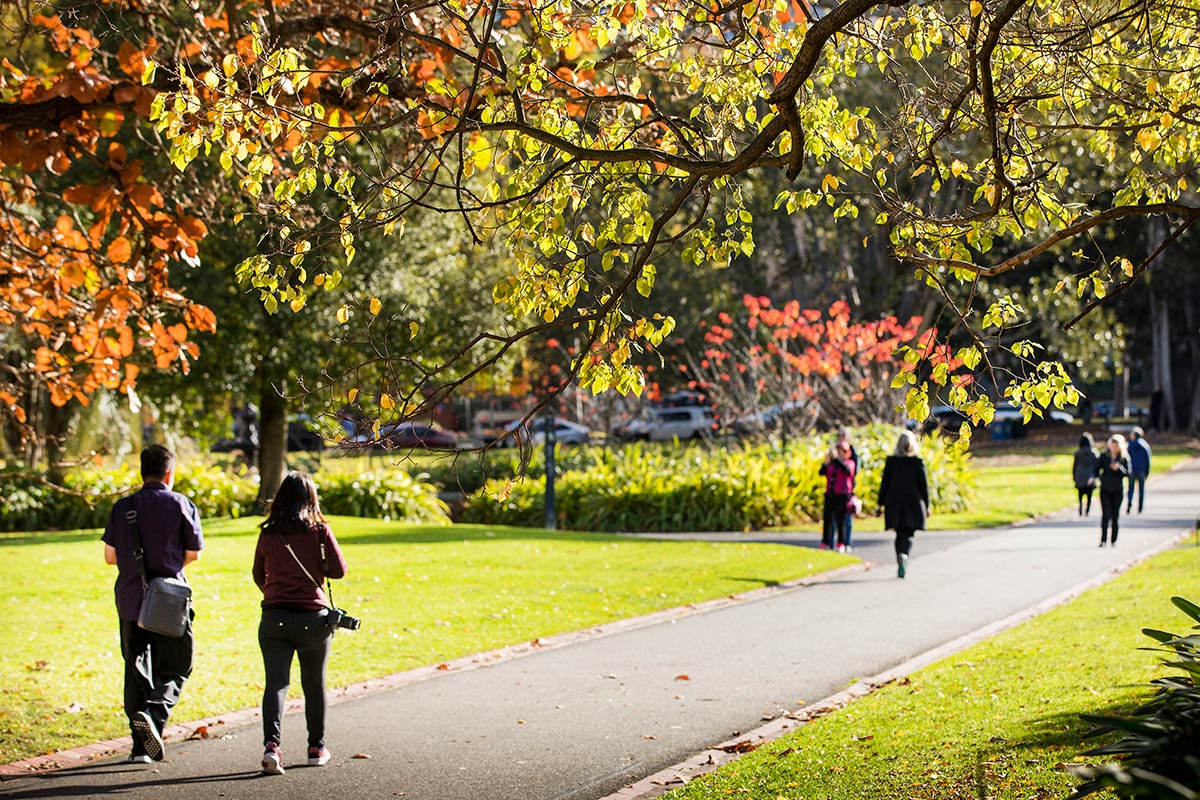
Ibirapuera Park, by Marx, stands as an urban oasis in Sao Paulo. Inspired by the gardens of the 20th century, created as an asymmetric harmony of native flora and irregularity.
Ibirapuera Park, by Marx, stands as an urban oasis in Sao Paulo. Inspired by the gardens of the 20th century, created as an asymmetric harmony of native flora and irregularity.
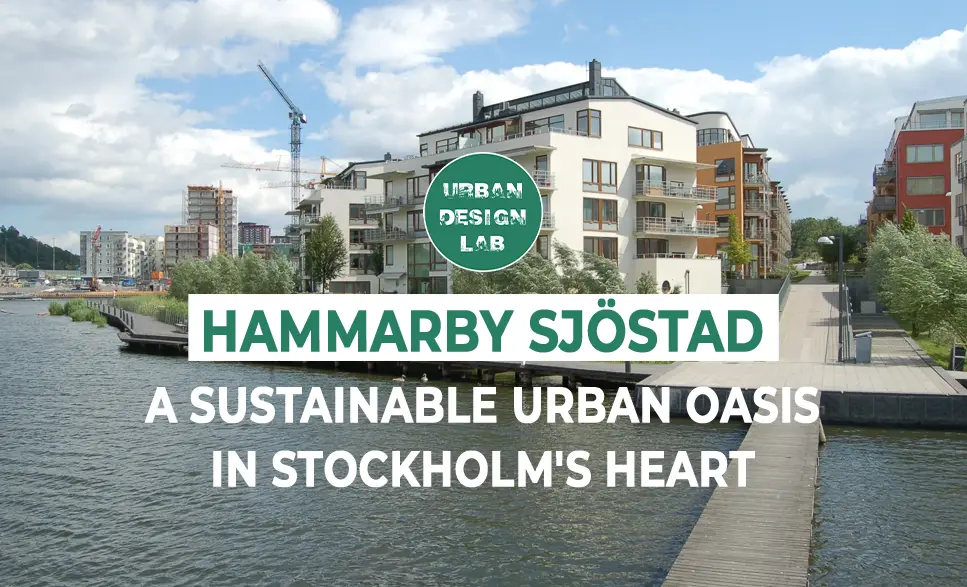
Discover how Hammarby Sjöstad in Stockholm exemplifies sustainable urban living, blending eco-friendly innovations with community-focused design.

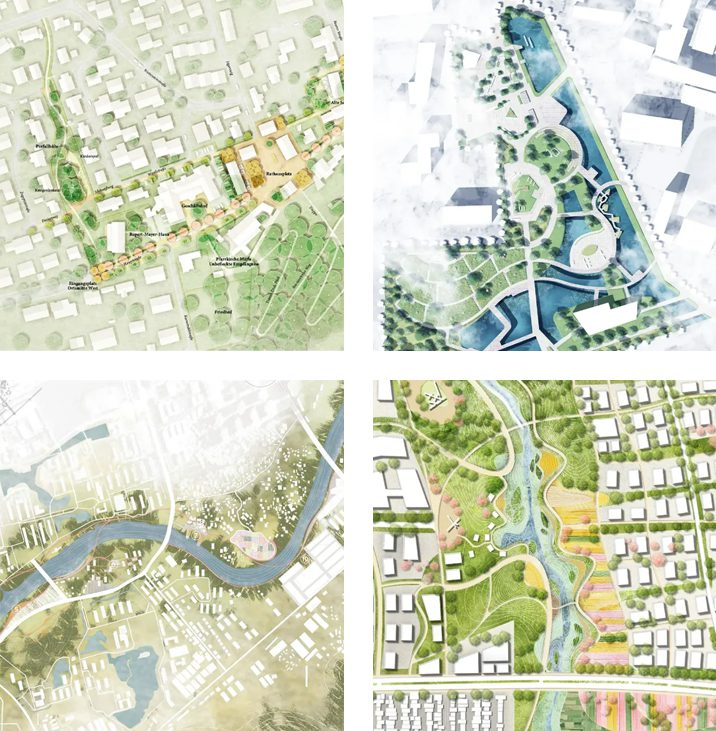
In the natural district in Baden-Baden, three urban addresses, each with its own identity, are worked out: valley space, hillside location and plateau. For each
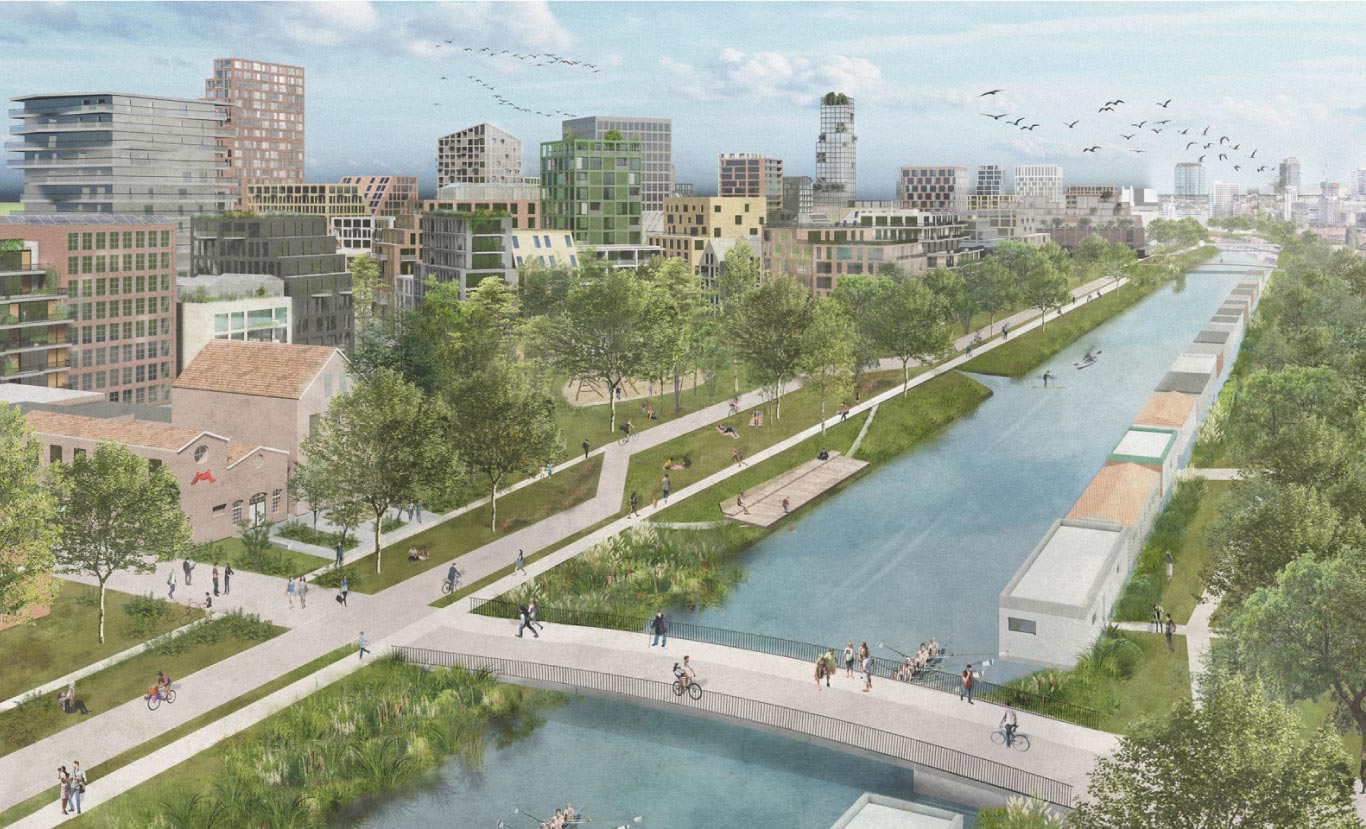
The rapid growth of Utrecht requires highly sustainable development that can accommodate contemporary lifestyles and address the challenges posed by climate change. The eastern flank
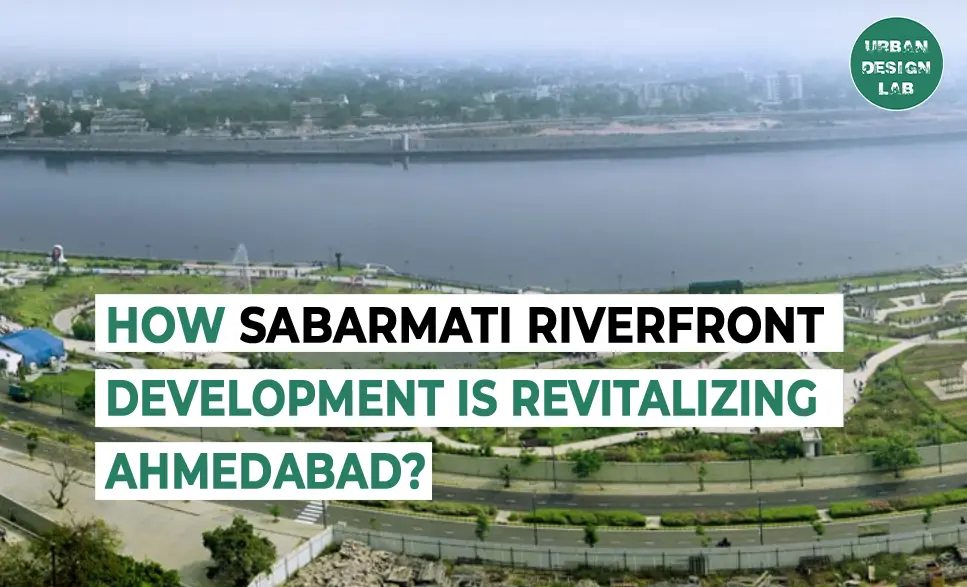
The Sabarmati Riverfront project revitalized Ahmedabad, transforming the waterfront into vibrant public spaces, enhancing flood management, promoting sustainability, and fostering social cohesion, making it a model for inclusive urban development.
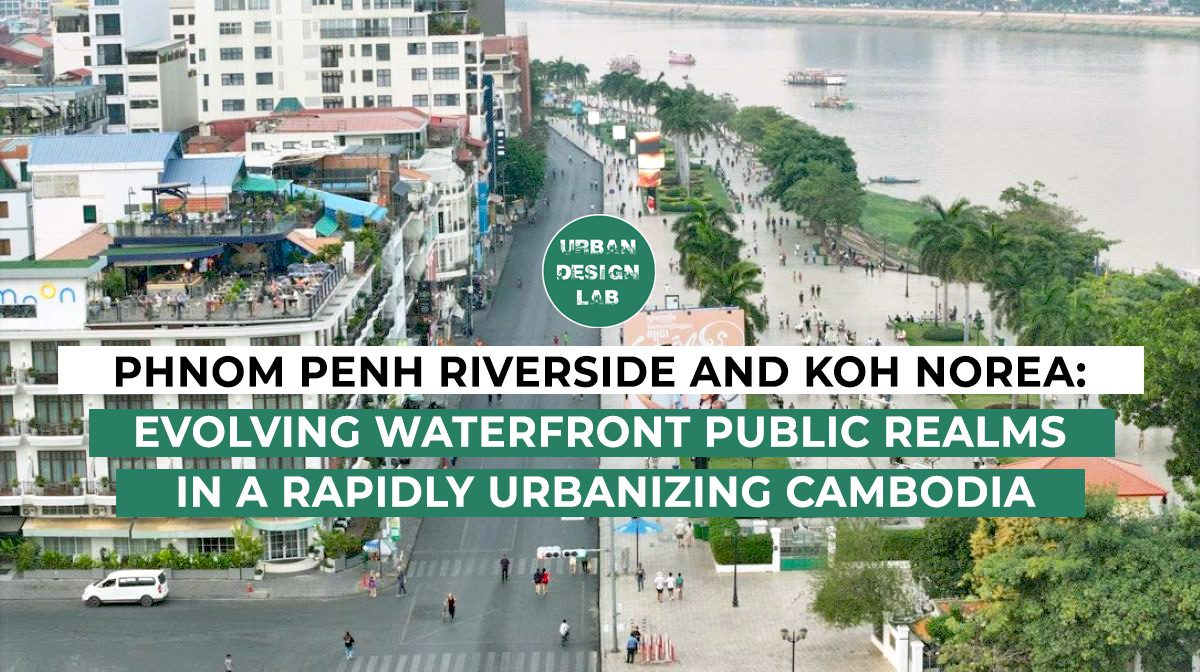
Phnom Penh’s waterfronts are becoming vital public realms, balancing heritage, infrastructure, and inclusive design, reflected in the transformation of Sisowath Quay and the rise of Koh Norea.
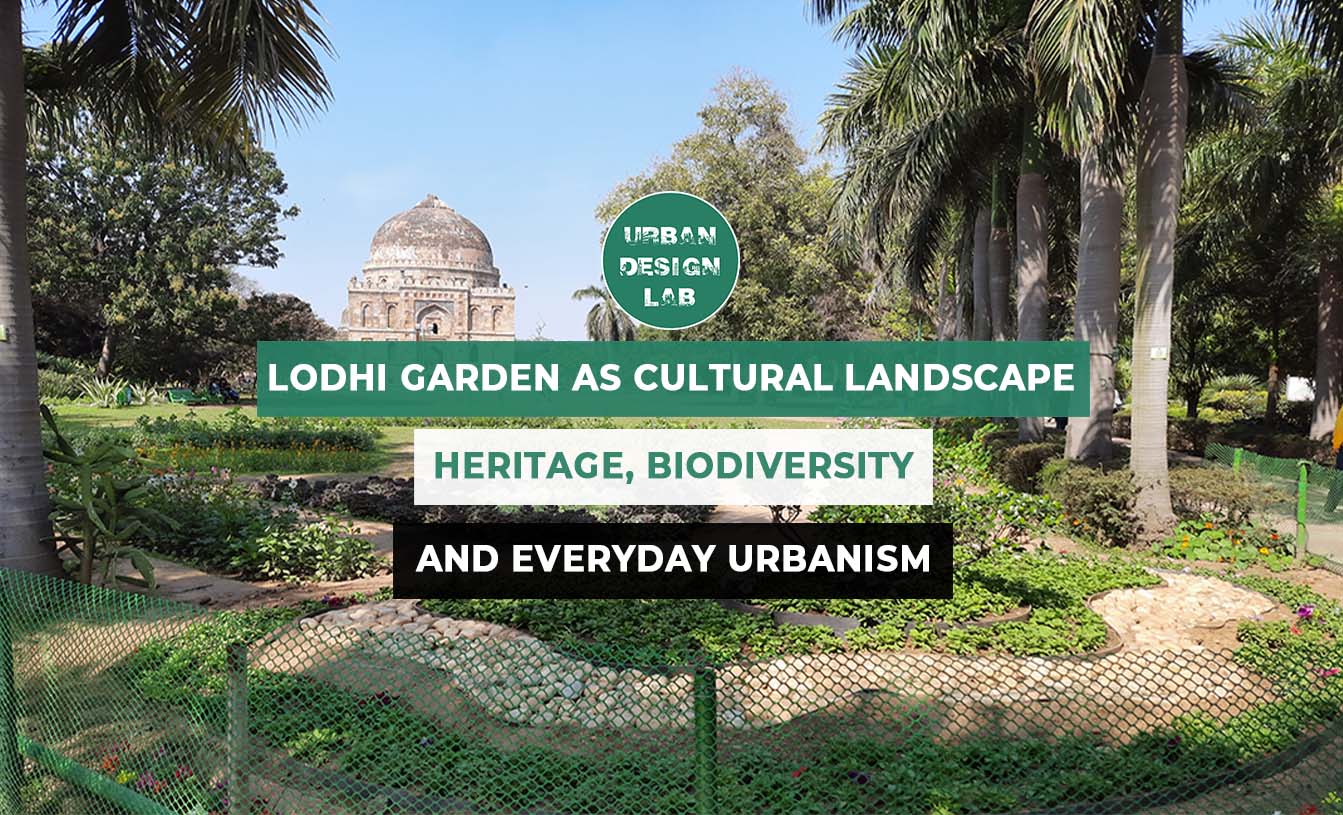
Lodhi Garden exemplifies a cultural landscape, blending history, ecology, and everyday urban life, offering a model for preserving heritage parks in modern cities.
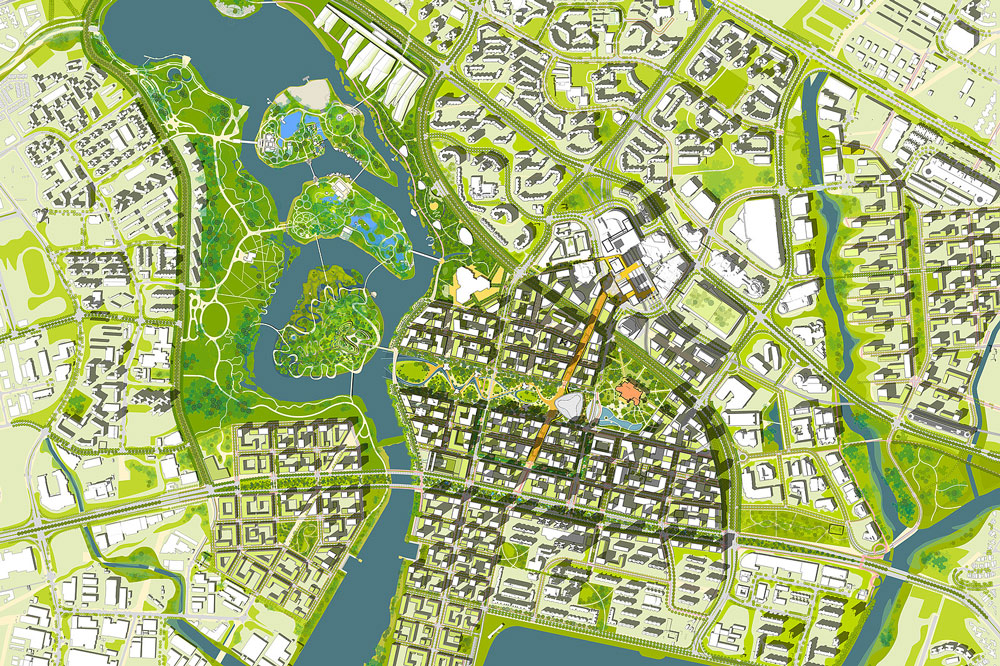
Detailed masterplan for a high-density mixed-use transit-oriented development The Jurong Lake District regional centre in west Singapore will be developed into Singapore’s 2nd Central Business
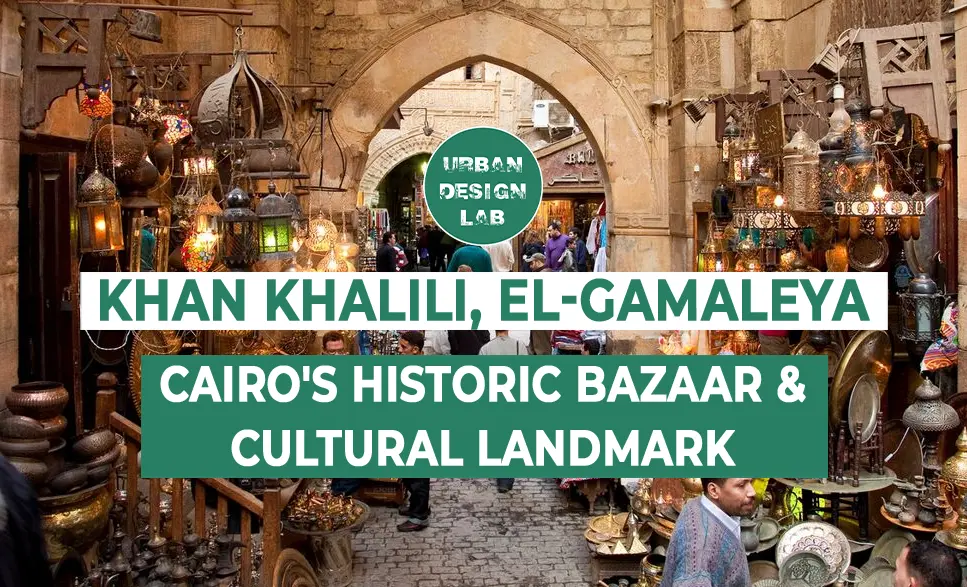
Khan El-Khalili was originally constructed as a marketplace where merchants from all over the Islamic world could rest and conduct their trade.