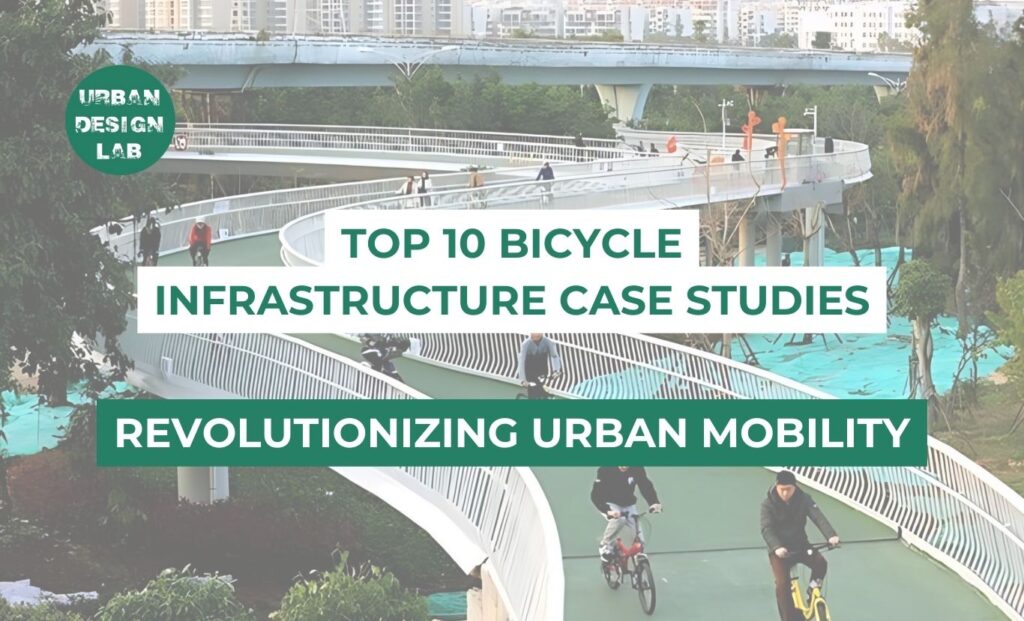
Top 10 Bicycle Infrastructure Case Studies: Revolutionizing Urban Mobility

Top 10 Bicycle Infrastructure Case Studies: Revolutionizing Urban Mobility

This article shows how well-planned cycling infrastructure transforms cities, using global case studies that demonstrate its positive impact on urban mobility and quality of life.

1. Copenhagen, Denmark: The Bicycle Snake (Cykelslangen)

Copenhagen is world-renowned for its cycling culture. The Bicycle Snake is an iconic elevated orange bridge that provides a seamless and scenic route for cyclists over the harbor, bypassing busy pedestrian areas and improving connectivity between the city center and the Vesterbro district.

2. Amsterdam, Netherlands: Hovenring

The Hovenring is the world’s first suspended bicycle roundabout. Located in Eindhoven, it separates cyclists from heavy vehicle traffic at a busy intersection, ensuring safety and efficiency while serving as a striking architectural landmark.

3. Utrecht, Netherlands: Stationsplein Bicycle Parking

Utrecht is home to the world’s largest bicycle parking garage, located at the central railway station. With space for over 12,000 bikes, it facilitates seamless multi-modal transport, encouraging residents to combine cycling with train travel.

4. Seville, Spain: The 80km Network

In just a few years, Seville transformed from a car-centric city to a cycling haven by rapidly building an 80km network of protected bike lanes. This “build it and they will come” approach led to a massive increase in cycling rates and a significant reduction in traffic congestion.

5. Bogota, Colombia: Ciclovía and Ciclorrutas

Bogota’s Ciclovía is a weekly event where over 120km of city streets are closed to cars and opened to cyclists and pedestrians. Complementing this is the extensive Ciclorrutas network of permanent bike paths, which has become a vital part of the city’s transportation system.

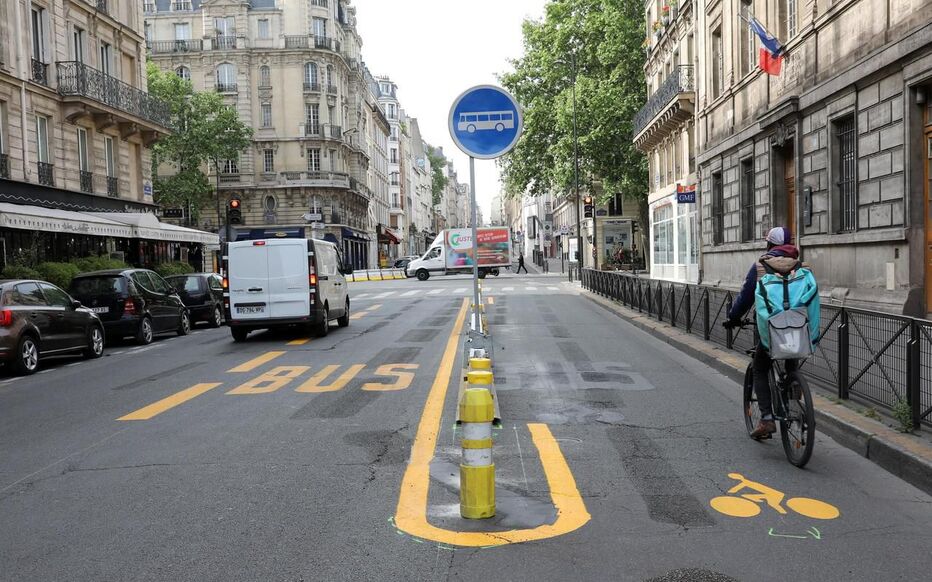
6. Paris, France: Plan Vélo

Under the leadership of Mayor Anne Hidalgo, Paris is undergoing a radical transformation into a “15-minute city.” The Plan Vélo initiative has seen the creation of hundreds of kilometers of new bike lanes, including the conversion of major thoroughfares like the Rue de Rivoli into cycling-priority streets.

7. Portland, Oregon, USA: Tilikum Crossing

Tilikum Crossing is the first major bridge in the U.S. dedicated to transit, cyclists, and pedestrians, with no private vehicle access. It serves as a vital link in Portland’s extensive cycling network, promoting sustainable and active transportation.

8. Tokyo, Japan: Underground Automated Parking

Tokyo addresses its high density and limited space with innovative underground automated bicycle parking systems (Eco Cycle). These “bicycle silos” can store hundreds of bikes vertically, keeping streets clear and providing secure storage for commuters.

9. Montreal, Canada: Route Verte

The Route Verte is an extensive network of over 5,000km of cycling trails across Quebec, with Montreal serving as a major hub. The city’s BIXI bike-share system and protected bike lanes make it one of the most bike-friendly cities in North America.

10. Hangzhou, China: Public Bicycle System

Hangzhou boasts one of the world’s largest and most successful bike-share programs. With thousands of stations and over 100,000 bikes, the system is fully integrated with the city’s public transport, providing a convenient and eco-friendly “last mile” solution.

Conclusion

These case studies demonstrate that investing in high-quality bicycle infrastructure is a powerful tool for creating more sustainable, healthy, and liveable cities. By prioritizing active transport, urban planners can reduce carbon emissions, improve public health, and enhance the overall urban experience.

In recent years, sustainable transportation has been an integral aspect of the urban agenda of several cities around the world. From this, the bicycle became one of the most used means of ecological transportation. The benefits range from helping people engage in physical activity to being an environmentally friendly and accessible means of transportation.


For this reason, cities have adopted an ecological approach and have turned to innovative bicycle infrastructure and urban landscape design to improve the way residents get around.

Xiamen, China

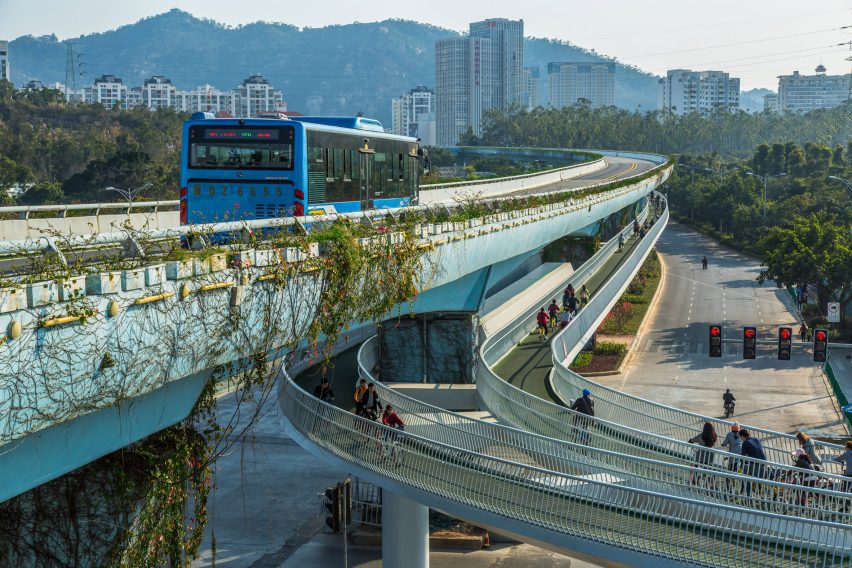
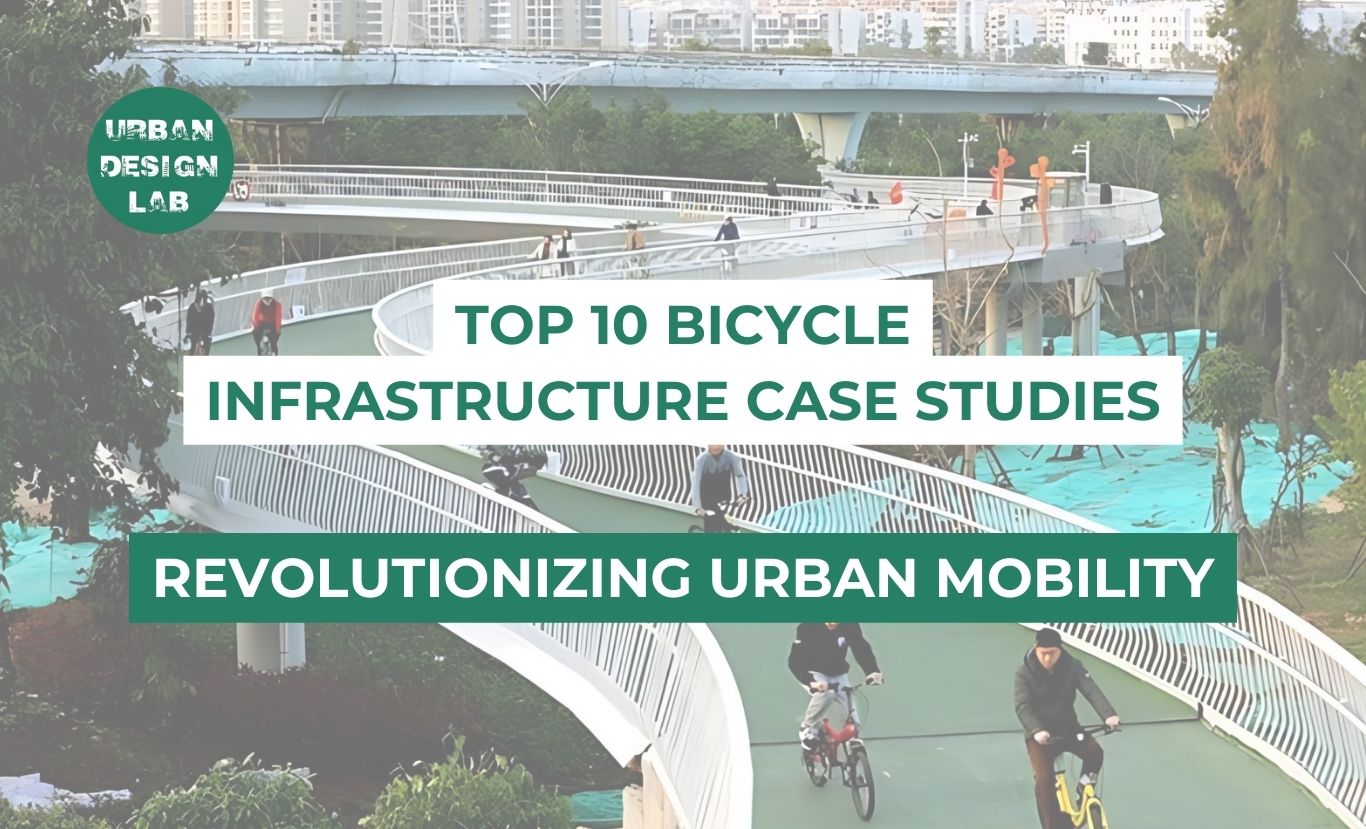
The Xiamen Cycle Route represents an innovation in cycling infrastructure for cities. In a bid to help mitigate both traffic congestion and air pollution. Opened in 2017, this 8-kilometer elevated bike lane runs parallel to the city’s existing BRT system, greatly improving connectivity and mobility for its residents.


Skyway entry points pass through major residential areas, shopping centers, and bus and subway stations. This type of connectivity with other public transport systems would ensure that cyclists can easily switch between cycling and other modes of transport, thus fostering a more connected and efficient urban mobility network.


One of the most striking features of Xiamen Bicycle Skyway is its design, carried out by the Danish architecture studio Dissing+Weitling. The work is an easy and feasible urban solution. More than a comfortable path, the Skyway has become a space for coexistence.


The global recognition that the Skyway has acquired for its innovative vision of urban mobility led it to win the Danish Design Award in the Livable Cities category. Being an example of how good design can renew city areas, contributing to a greener urban environment.

The “Skyway” Cycle Route Xiamen, China.

Montreal, Canada

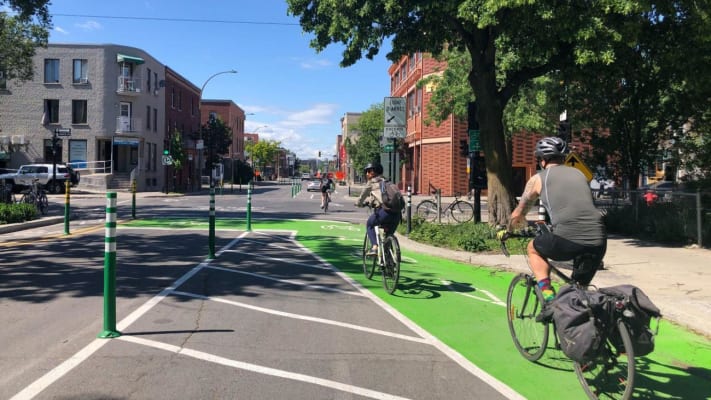
The Express Bicycle Network (EBN) is a project aimed at changing urban mobility in the city. This is a safe, quality, accessible and operational bicycle lane infrastructure all year round. The plan will consist of 184 kilometers of one-way bike lanes, separated from vehicle traffic.


  • The main features of the EBN include:
  • Dedicated long-term facilities for all riders regardless of experience.

  • High-capacity lanes that allow cyclist flow in both directions
  • Routes designed for long-distance travel
  • Join existing bike lanes


The EBN now includes routes currently under construction or in the planning stages: the 5.4 kilometer road connecting Le Sud-Ouest with Ville-Marie and an 18 kilometer road along the Boulevard Henri-Bourassa, which links the main landmarks such as central areas, commercial and public streets. transportation and recreation centers to promote active transportation in the city.


This is also complemented by the current bicycle sharing system (BIXI), which has had enormous growth in users. To this end, EBN and BIXI seek to increase the number of people who use bicycles and reduce dependence on cars; thus demonstrating the commitment to sustainable urban mobility for a better quality of life for the citizens of Montreal.

The Express Bike Network en Montreal, Canada.

Source: Website Link

Medellín, Colombia

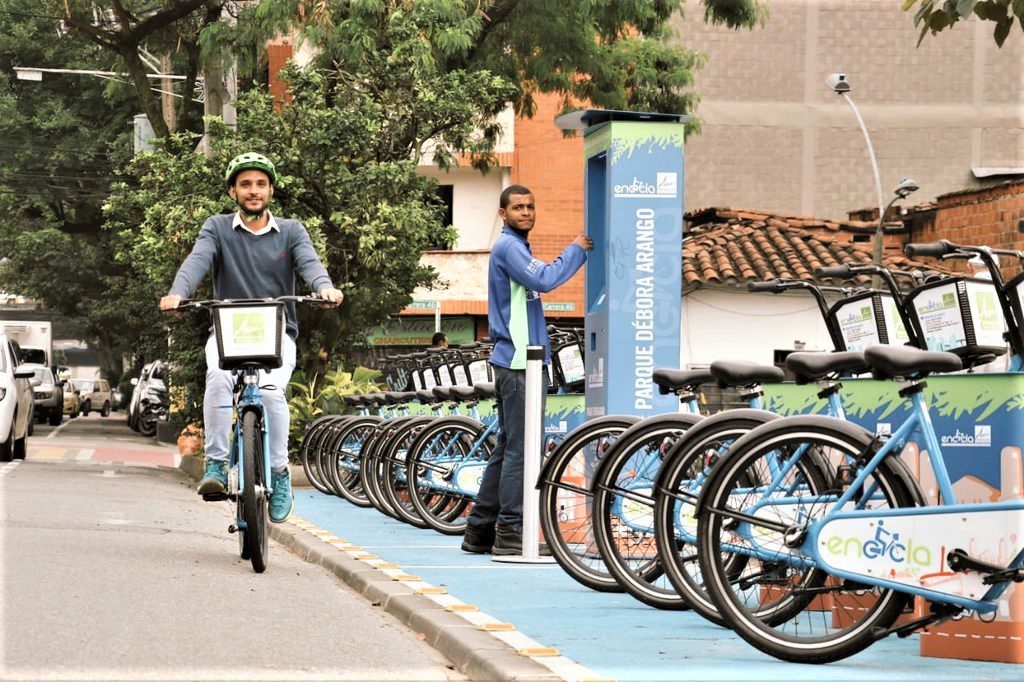
EnCicla is the public bicycle system of Medellín in Colombia, which revolutionizes the city’s mobility and cycling infrastructure. Developed in 2011, EnCicla is an innovative solution to promote cycling as a sustainable means of transportation and integrate this system with other modes of public transportation, including metro and buses.
 

One of the points that highlight the innovation of the EnCicla project are:


  • Comprehensive design of cycling infrastructure: Generated an extended and safe network of cycle routes.
  • Connection of EnCicla stations at important points in the city: in this way interchangeability between different modes of transport is facilitated for the user.
  • The incorporation of technologies in management and maintenance: The bicycles are equipped with GPS to monitor them in real time, while the loan stations use automated systems that increase efficiency in the availability of bicycles to the user.


EnCicla is an innovative project that remakes urban mobility in Medellín based on well-planned cycling infrastructure, advanced technology and effective integration with other transportation systems. It has become a model of social inclusion, by granting free or low-cost access that benefits various socioeconomic groups.

​”EnCicla” Public Bicycle System of the Aburrá Valley in Medellín, Colombia.

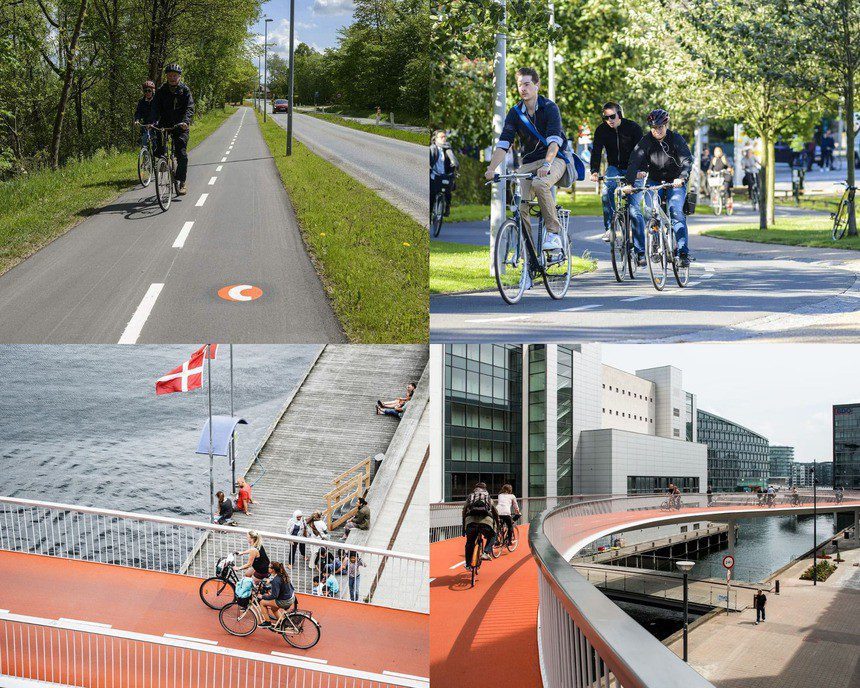
Copenhagen, Denmark

Copenhagen is a city that already has an excellent cycling infrastructure, betting on new projects such as Cykelslangen and Cycle Superhighways. Among its objectives is to combine these new proposals with a new design that can ensure, in a crucial sense, sustainable urban mobility.


1.- Cykeslangen


Opened in 2014, Cykelslangen is 220 meters long and 5.5 meters high. It extends through the port area and connects the Vesterbro district with the Bryggebro bridge. The elevated bike lane ensures that bicycles are kept away from pedestrians, increasing safety and reducing congestion. It is the views that the boardwalk offers that attract more people to bike instead of driving.


2.- Cycle Superhighways


Another transformative project is the network of Cycling Superhighways, inaugurated with its first Albertslund Route in 2012. This ambitious project seeks to integrate more than 746 kilometers of exclusive bicycle lanes that will link Copenhagen with the surrounding municipalities. Superhighways are roads designed for long-distance cycling and offering faster, safer routes equipped with rest areas.


The case of Cykelslangen and Cycle Superhighways highlight Copenhagen’s commitment to sustainable urban mobility. Promoting a more efficient and safe transportation system, reducing carbon emissions and travel time alike.

The Cycle Superhighways and Cykelslangen projects Copenhagen, Denmark.

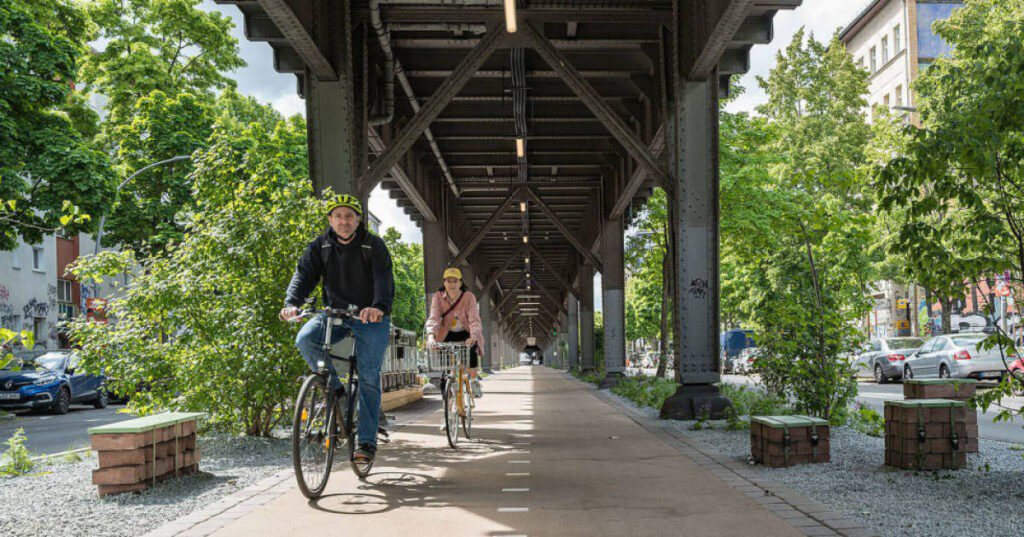
Berlin, Germany

Berlin has been a city concerned with the development of a creative cycling infrastructure to make urban mobility safer for all citizens. A good example would be the Radbahn project, through which almost 9 kilometers of covered cycle path will be opened under the elevated U1 metro line.


This unique infrastructure will make it possible to decongest the avenues between the different districts and key destinations of the city. Having green spaces, rest points and bicycle repair stations complement this project and make it a very attractive route for daily trips and leisure activities.


Radbahn’s innovative design improves the quality of life within the city. Prioritizing the importance of making the bicycle visible as a means of transportation. One of the details that makes this project so surprising is that under the elevated structure of the subway, a forgotten urban space was used to convert it into a place of coexistence that integrates the natural environment, giving new life to the city’s neighborhoods.

“Radbahn” cycling infrastructure in Berlin, Germany.

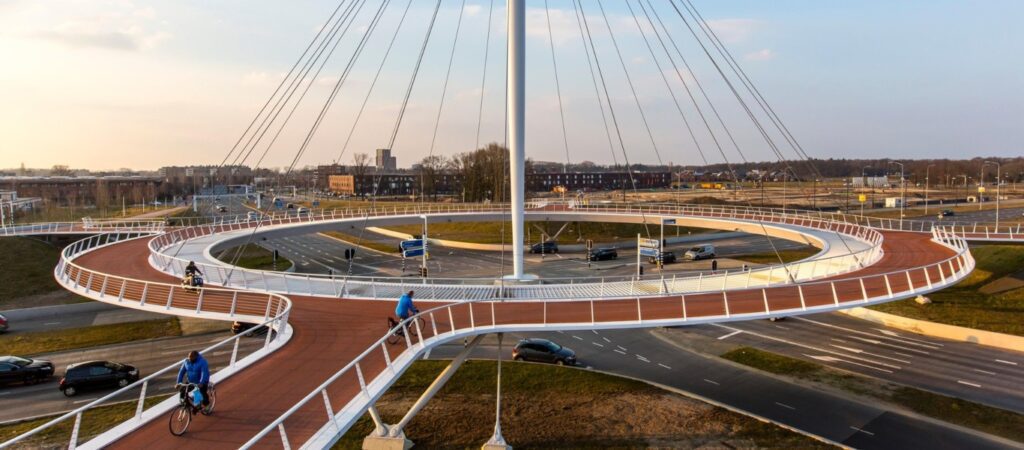
Eindhoven, Netherlands

The “Hovenring” in the Netherlands opened in 2012. It is one of the newest models of bicycle infrastructure in a modern city, based on elevated bicycle lanes, or you could say floating above vehicle traffic. Its objective is to link Eindhoven with Veldhoven and provide greater safety to cyclists traveling between the two towns.


Because the lanes are elevated, there is no interference with motor vehicle traffic; Therefore, it reduces the risk of accidents and makes bicycle traffic much more fluid. In the Hovenring project, the technology implemented applies sensors and monitoring systems that adjust its infrastructure in real time, based on the flow of bicycles. This adaptability optimizes the use of lanes and thus guarantees the bicycle user a safe and efficient trip to their destination.


This design ends up being functionally aesthetic for the project. The lanes appear to float harmoniously in the urban environment, providing a solution to improve not only mobility but also the quality of life in densely populated areas. This can be taken as a good example for cities wishing to innovate in cycling infrastructure and develop more sustainable urban transport.

The “Hovenring” at the entrance to the cities of Eindhoven and Veldhoven, Netherlands.

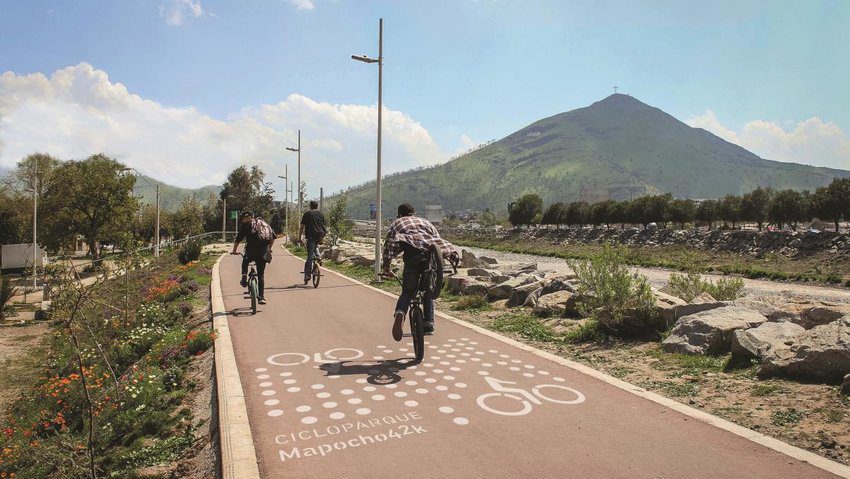
Santiago, Chile

One of the most original projects was the Mapocho 42K initiative in Santiago, Chile, which transformed the banks of the Mapocho River into a 42-kilometer-long green corridor. Adopted in 2017 through an ambitious intervention, construction is still in progress, with further phases already planned to expand and complete what has been done up to that point.


The Mapocho 42K project contemplates the construction of bicycle lanes, green areas and recreational places, promoting sustainable mobility for a better quality of urban life. This corridor will put the cyclist in harmony with the environment and will provide a safe route with beautiful landscapes.


This will also have lighting, signage and rest areas to guarantee the comfort and safety of users. This is part of a broad policy of the municipality of Santiago to have healthy and sustainable mobility. On the other hand, the insertion of green areas will contribute to the environmental recovery of the Mapocho River and its surroundings, allowing the creation of an attractive open public space for residents and visitors.

The Mapocho 42K project in Santiago, Chile.

Paris, France

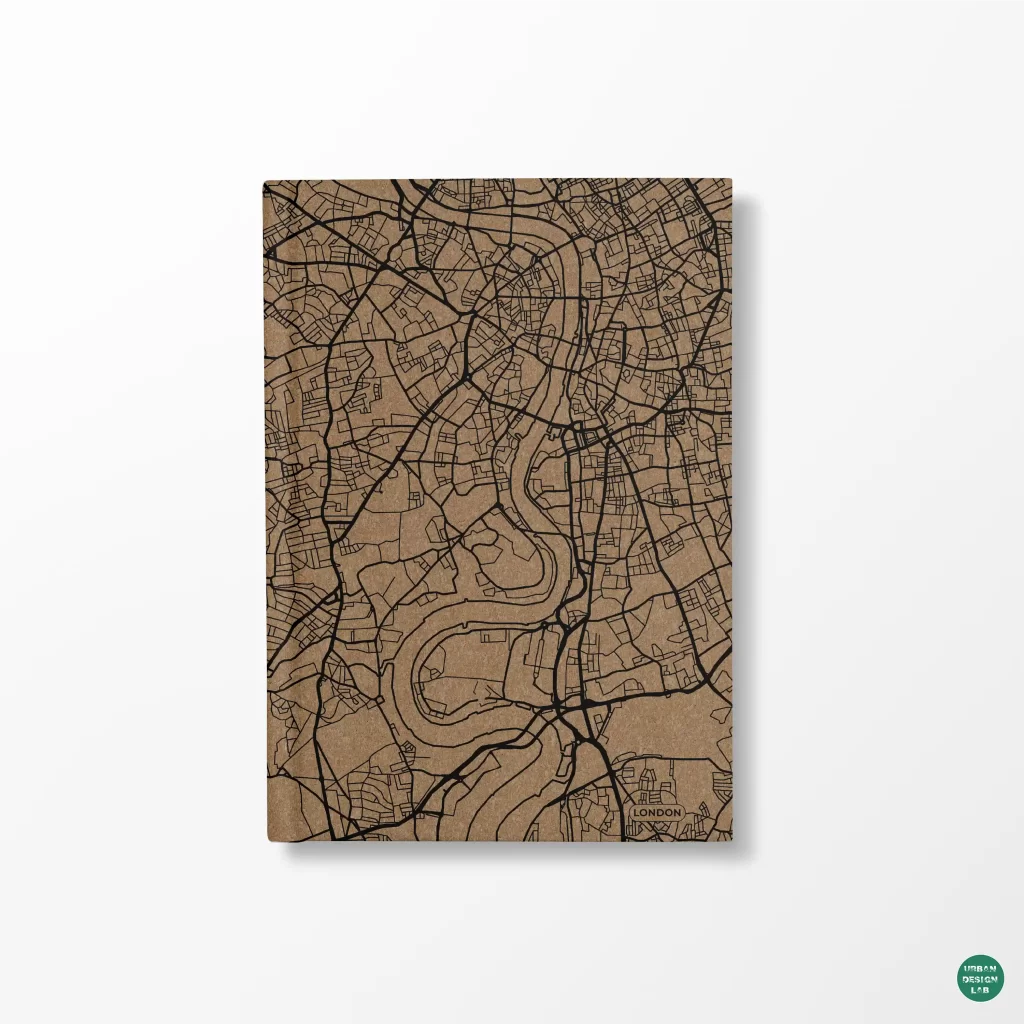
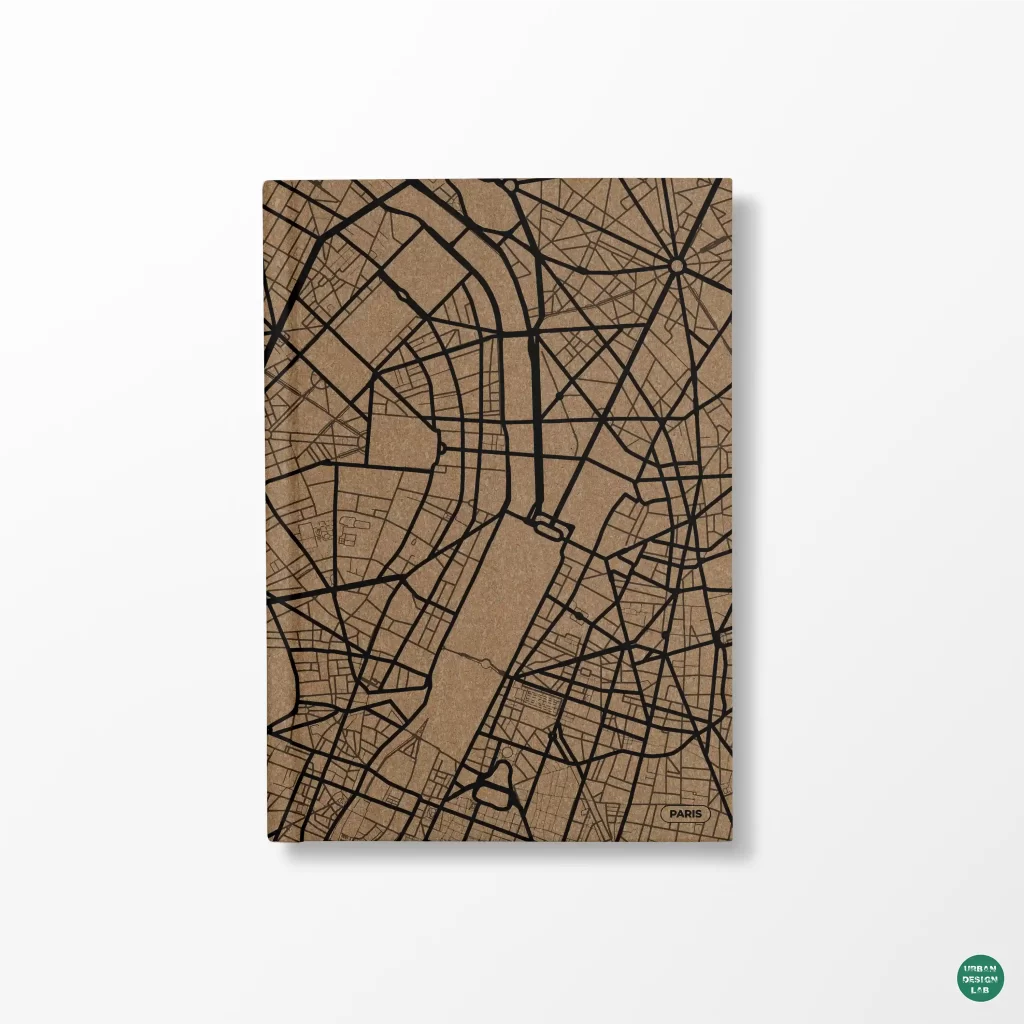
The Paris Vélo Plan is an ambitious project started in 2015 to make this city a paradise for cyclists. It will involve a large investment to increase the network of cycle paths to 1,400 kilometers by 2026, to improve safety and accessibility for cyclists.


The plan includes protected bike lanes, improved dangerous intersections and expanded bike parking. Perhaps the most dramatic element is the “RER V” or “Regional Express Bicycle Network”, a system planned to efficiently and safely bring cyclists from the suburbs to the city centre.


It is not only about the infrastructural component, but also the cultural component of Plan Vélo: educational programs and awareness campaigns have been provided so that people cycle in a comfortable and environmentally friendly way.


Although a large part of the plan has already been realized, it is still under construction and will go through new phases in the coming years. This shows that Paris really cares about sustainable mobility and fighting pollution, and cycling is becoming an important transportation option for the citizens of Paris.

The Vélo Plan in Paris, France

Onomichi-Imabari, Japan

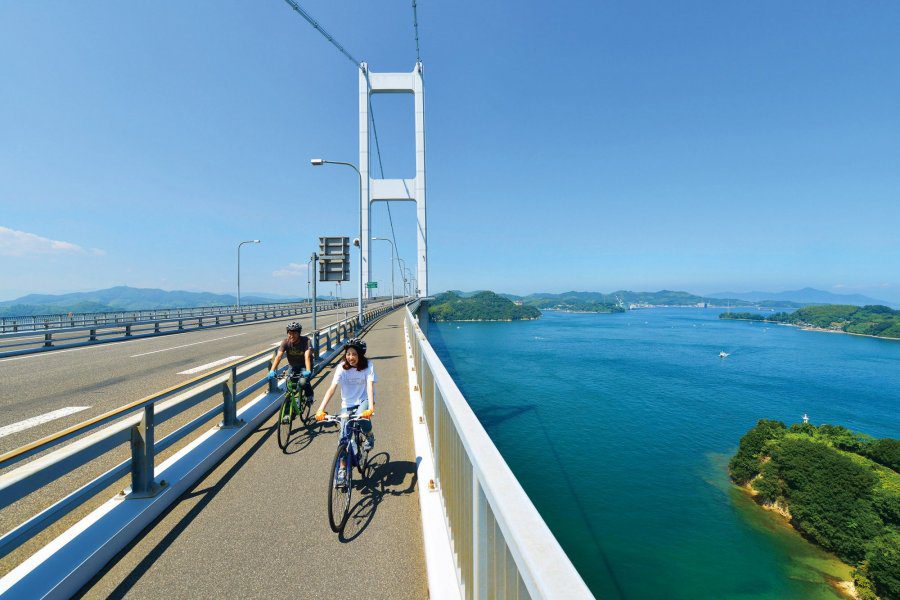
The Shimanami Kaido was built in 1999; It is among the newest cycling routes and runs from Onomichi on the island of Honshu to Imabari on the island of Shikoku. The total distance is approximately 70 km, crossing several special bridges designed solely for cyclists and pedestrians, two of them with lanes and paths emerging from the interior.


The structure includes:


  • bike rental
  • rest areas
  • solar panels
  • electric bicycle charging stations


These elements facilitate the experience for cyclists of any level, underlining their commitment to sustainability.


The Shimanami Kaido, in addition to increasing connectivity between islands, increases local tourism by offering fantastic views of the Seto Inland Sea, attracting cycling tourists from all over the world. Becoming one of the most impressive projects in the world.

The “Shimanami Kaido” connecting Onomichi and Imabari, Japan.

Buenos Aires, Argentina

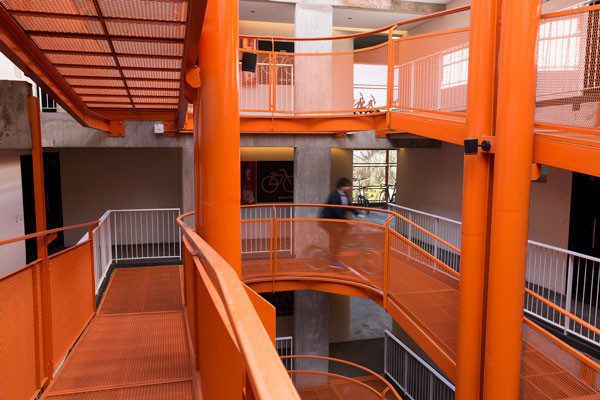
Located in Buenos Aires, Argentina, HO house is a building inaugurated in 2019 that was very concerned about sustainability and cycling mobility. The property, located in the Palermo neighborhood, stands out for its modern architecture and green technology features.


A great advantage of the HO house building is that it contains facilities for cycling-related activities. It has ample spaces for bicycle parking, areas for bicycle maintenance and areas for bicycle washing. All these facilities turn the bicycle into the main means of transportation for its inhabitants, thus reducing the use of motor vehicles.


This is an innovative project with a holistic approach towards sustainability and healthy urban living, combining green architecture with state-of-the-art cycling infrastructure. HO house will be presented as a model of modern planning, showing that residential solutions can be easily combined with sustainable mobility practices in perfect harmony.

The “HO House building” in Buenos Aires, Argentina.

-1

These case studies illustrate a number of examples of innovative cycling infrastructure in cities around the world, showing its potential to transform urban mobility. These initiatives present how urban planning can be adapted to make room for bicycles and encourage sustainable lifestyles.


These projects demonstrate that the new urban agenda will be heavily focused on cycling infrastructure. Seeking to reduce the ecological footprint, an improvement in the quality of life in cities; functioning as an engine towards a cleaner and healthier future, all through sustainable mobility. Innovation in bicycle infrastructure will be essential to transform urban mobility.


  • Radbahn Berlin. (n.d.). Radbahn – The Vision of an Urban Cycle Path. Retrieved from https://radbahn.berlin/en/ueber-radbahn


Celeste Barragan

Emerging Urban Planner of Mexico City holds a bachelor’s degree in urban planning from the Metropolitan Autonomous University. He is passionate about mobility, functional urban design and sustainability. Enthusiast of illustration and music, he seeks to innovate urban practices to improve life in cities.

Leave a Reply

Your email address will not be published. Required fields are marked *

This site uses Akismet to reduce spam. Learn how your comment data is processed.

Related articles

UDL Thesis Publication 2025

Call for Abstracts now open!

UDL GIS

MASTERCLASS

Urban Mapping, Analysis and Representation

Session Dates

12th-16th October, 2026

Curating the best graduate thesis projects globally!

Publish your work and get recognized globally!

Free E-Book

From thesis to Portfolio

A Guide to Convert Academic Work into a Professional Portfolio”

Urban Design Lab

Be the part of our Network

  • Stay updated on workshops, design tools, and calls for collaboration

  • Thesis Report Writing for Architecture and Urban Studies

    Join Our WhatsApp Group

    Recent Posts

    Sign up for our Newsletter

    “Let’s explore the new avenues of Urban environment together “

    E-Book- From Thesis To Portfolio

    A Guide to Convert Academic Work into a Professional Portfolio