Public Land, Public Good: Leasing for Housing, Not Speculation
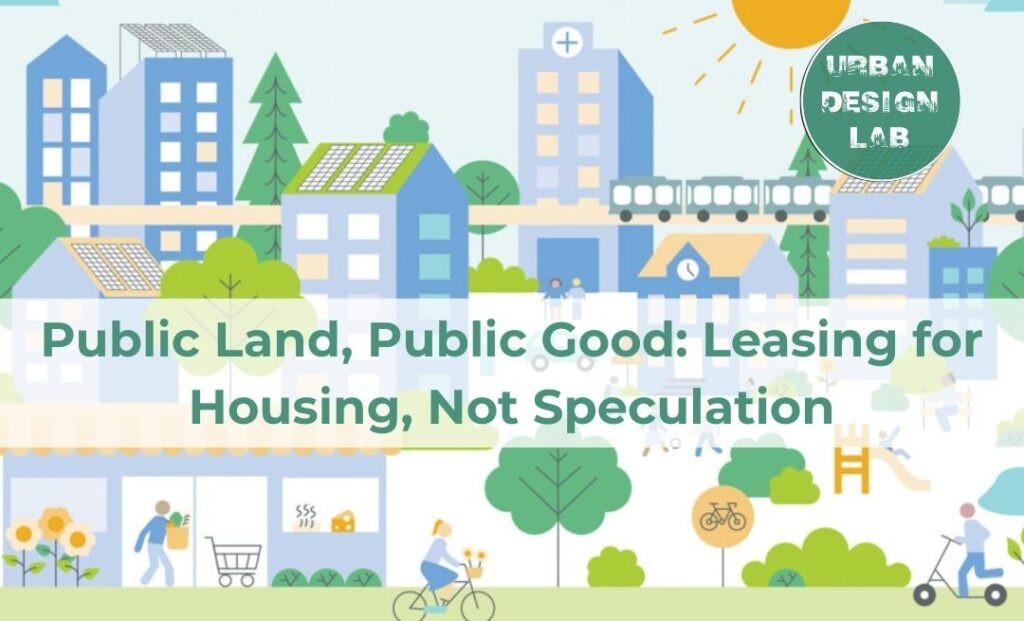
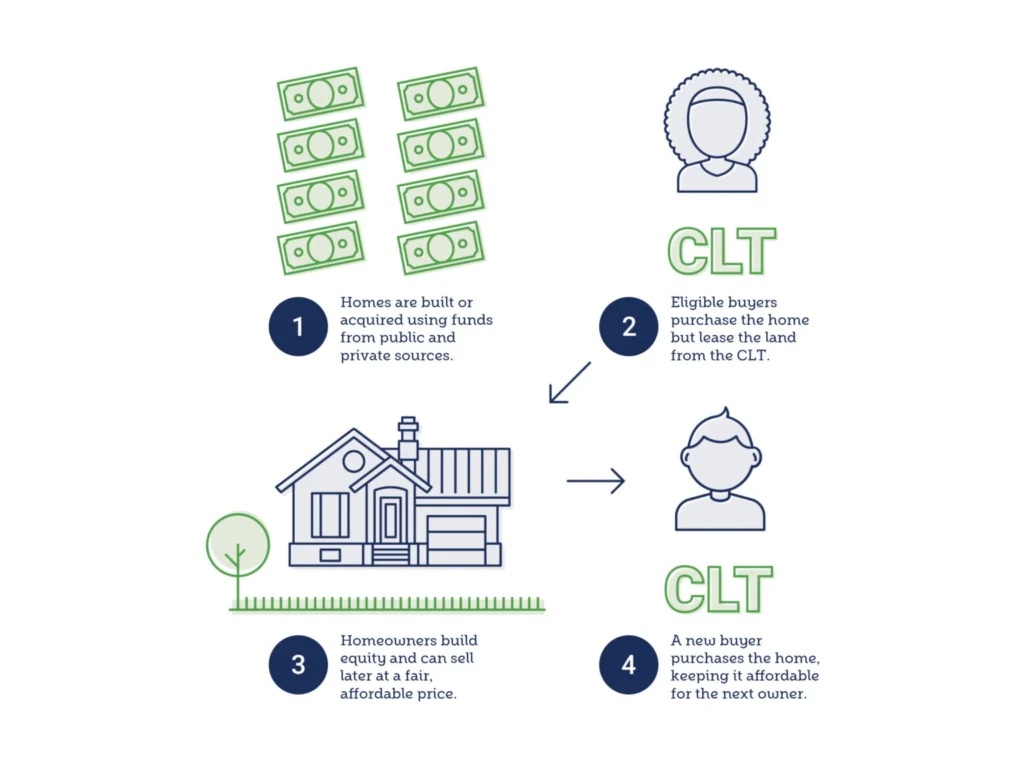
The concept of “Public Land, Public Good: Leasing for Housing, Not Speculation” emphasizes the strategic use of public land to address housing needs while preventing speculative practices that can drive up costs and displace communities. By leasing public land for affordable housing development, municipalities can retain ownership, ensure long-term affordability, and generate sustainable revenue streams.
Urban Planning and Affordable Housing
Urban planning involves the organized development of land to meet the needs of a growing population, balancing residential, commercial, and recreational spaces. Affordable housing is a critical component of urban planning, ensuring that all residents have access to safe and affordable living conditions. The scarcity of affordable housing often leads to increased homelessness and social inequality.
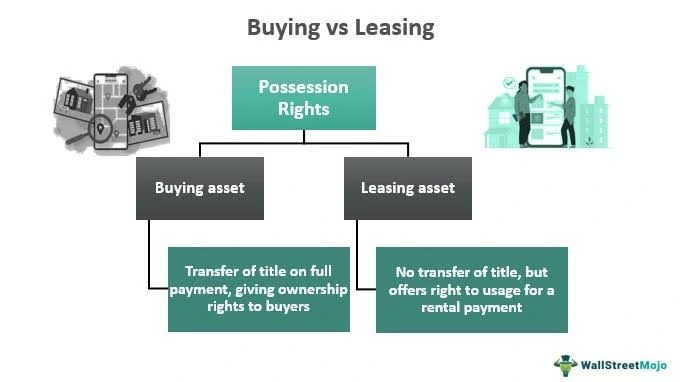
Benefits of Leasing Over Selling Public Land
- Long-Term Affordability: Leasing public land for affordable housing allows municipalities to impose conditions that maintain affordability over extended periods. For instance, the City of Los Angeles has implemented a “lease-first” policy, prioritizing long-term ground leases for affordable housing projects. These leases typically span at least 40 years, ensuring sustained affordability and community stability.
- Retention of Public Assets: By retaining ownership of the land, cities can prevent speculative practices that often lead to rapid gentrification and displacement. This approach allows for better control over land use and development, aligning projects with community needs and values.
- Revenue Generation: Long-term leases can provide a steady income stream for municipalities, which can be reinvested into further public services and infrastructure. For example, Hong Kong’s leasehold system has enabled the government to capture a significant portion of land value increments, financing substantial infrastructure investments.


- Flexibility and Adaptability: Leasing agreements can be structured to adapt to changing economic conditions and community needs, allowing for periodic reassessment and adjustment of terms.
Case Studies
- Colorado, USA: In 2023, Colorado lawmakers proposed utilizing vacant state-owned land to address the housing affordability crisis. The initiative aimed to lease or sell land at a discount for affordable housing projects, with the first planned project near Vail targeting 80 housing units. This approach seeks to alleviate the challenges faced by essential workers in high-cost areas.
- Maricopa County, Arizona, USA: The La Esperanza Terrace project developed 96 affordable rental housing units on 3.45 acres of land formerly owned by the Isaac School District. The project was made possible through the School District Surplus Land Initiative, which facilitated the use of surplus public land for affordable housing development.
- Darebin, Australia: The Harbour project in Darebin piloted a 50-year lease of underutilized council-owned land to deliver 39 high-quality, sustainably designed social housing dwellings. This initiative demonstrates how long-term leasing can effectively address housing needs while retaining public ownership.
Conclusion
Leasing public land for affordable housing presents a strategic approach to urban planning that balances the need for housing with the preservation of public assets and community interests. By adopting leasing models, municipalities can foster sustainable development, prevent speculative practices, and ensure that housing remains accessible to all residents.