Top 10 Case Studies on Walkable and Socially Inclusive Public Spaces
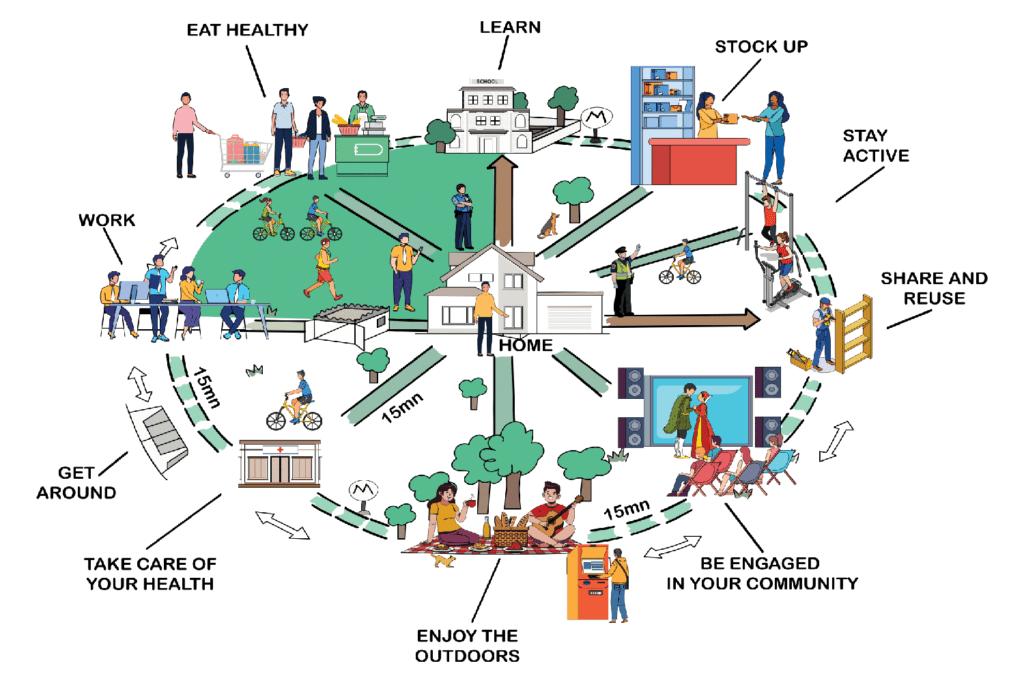
Walkable cities enhance liveability through mixed-use spaces, transit systems, and green areas. This post explores case studies illustrating how thoughtful planning and socially inclusive spaces address shared challenges.
1. The High Line, New York City, USA
A former elevated rail line transformed into a public park, the High Line has become a global model for urban regeneration. It prioritizes pedestrians, integrates lush landscaping, and provides a unique perspective of the city, fostering social interaction and economic growth in the surrounding neighborhoods.
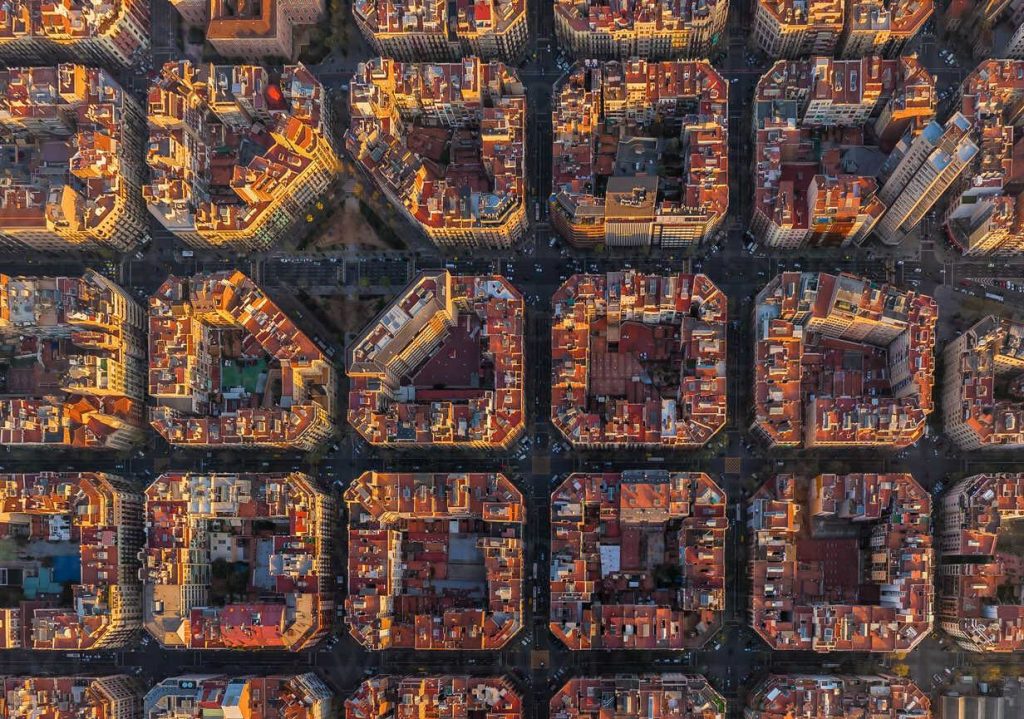
2. Superblocks (Superilles), Barcelona, Spain
Barcelona’s Superblocks initiative reclaims street space from cars for pedestrians and cyclists. By grouping city blocks and restricting through-traffic, the project creates quiet, green, and socially vibrant areas, significantly improving air quality and community well-being.
3. Curitiba’s Integrated Transit System, Brazil
Curitiba is renowned for its innovative Bus Rapid Transit (BRT) system and pedestrian-friendly urban design. The city’s master plan integrates land use with transportation, ensuring that high-density development occurs along transit corridors, making the city highly walkable and accessible.
4. Cheonggyecheon Stream Restoration, Seoul, South Korea
The restoration of the Cheonggyecheon Stream involved removing an elevated highway to uncover a historic waterway. This project created a 5.8-mile public recreation space in the heart of Seoul, reducing the urban heat island effect and providing a serene environment for residents and tourists.
5. Copenhagen’s Cycling Infrastructure, Denmark
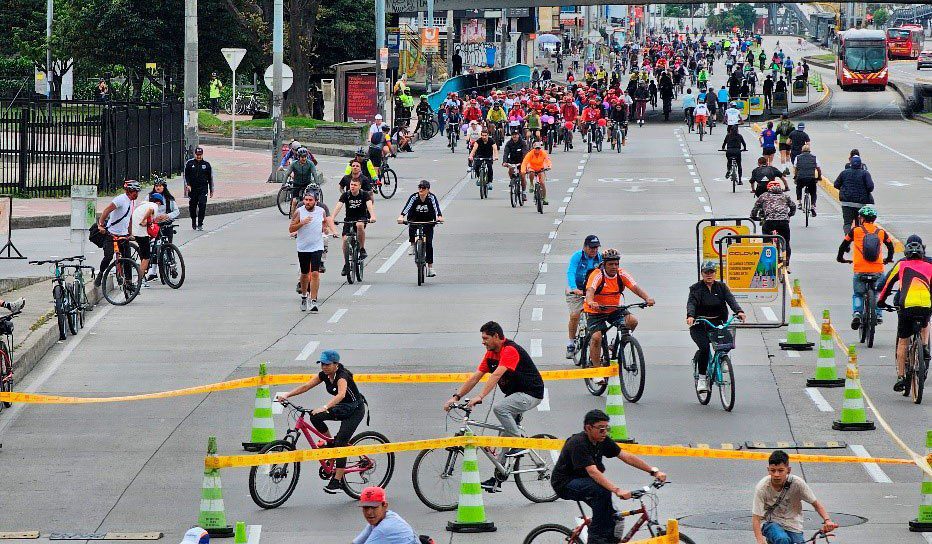
Copenhagen is a world leader in cycling infrastructure, with an extensive network of bike lanes and bridges. This commitment to non-motorized transport has made the city exceptionally walkable and inclusive, promoting a healthy and sustainable lifestyle for all citizens.
6. Medellin’s Urban Escalators and Metrocable, Colombia
Medellin has transformed its informal settlements through innovative transportation solutions like outdoor escalators and cable cars. These projects have integrated marginalized communities into the city fabric, improving access to jobs, education, and public spaces.
7. The Bentway, Toronto, Canada
Located under the Gardiner Expressway, The Bentway is a unique public space that hosts year-round programming, including art installations, performances, and recreational activities. It demonstrates how underutilized infrastructure can be repurposed into inclusive community hubs.
8. Jan Gehl’s Transformation of Times Square, New York City, USA
Based on the principles of urban designer Jan Gehl, the transformation of Times Square from a congested traffic hub to a pedestrian plaza has significantly enhanced the area’s safety and social vibrancy, proving that even the busiest urban spaces can be reclaimed for people.
9. Vauban District, Freiburg, Germany
Vauban is a sustainable, car-free neighborhood designed with a focus on walkability and community participation. The district features green buildings, extensive public spaces, and a layout that encourages social interaction and environmental stewardship.
10. Singapore’s Park Connector Network (PCN)
Singapore’s PCN is an island-wide network of green corridors that link major parks and nature areas. This initiative enhances the city’s walkability, provides recreational opportunities, and promotes biodiversity, contributing to Singapore’s vision of a “City in Nature.”
Conclusion
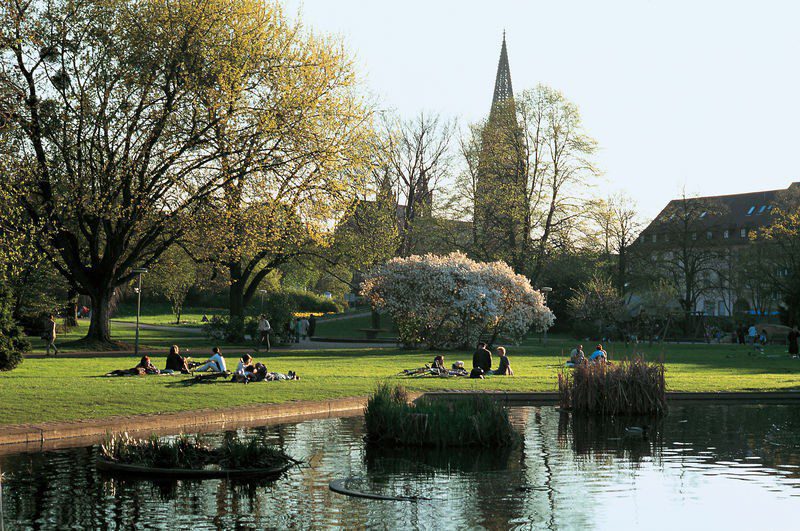
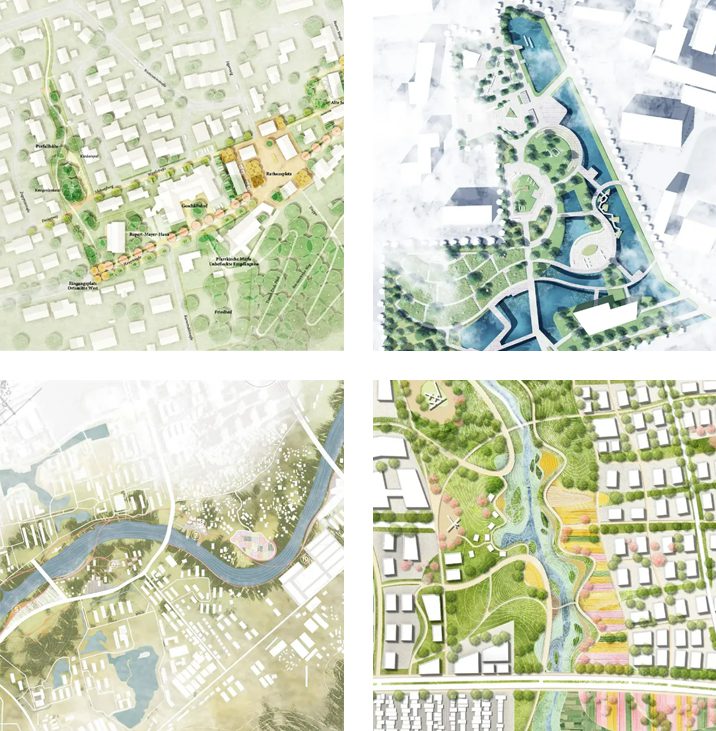
These case studies demonstrate that walkable and socially inclusive public spaces are essential for creating resilient and vibrant cities. By prioritizing people over cars and integrating nature into the urban fabric, planners can foster stronger communities and improve the overall quality of life for all residents.