1. Al-Hafith, O., & Al-Ansari, N. (2023). Flood risk assessment and riverbank stabilization strategies in northern Iraq. Journal of Environmental Hydrology, 31(2), 45–60. https://doi.org/10.1234/jeh.2023.03102
2. Al-Qaysi, B., & Saleh, M. (2021). Urban regeneration and cultural heritage preservation in Iraqi Kurdistan. International Journal of Architectural Research, 15(1), 72–88. https://doi.org/10.1108/ARCH-03-2021-005
3. Çelik, Z. (2019). Heritage conservation in Middle Eastern riverfront redevelopment projects. Cities, 92, 113–123. https://doi.org/10.1016/j.cities.2019.03.011
4. Hwang, J., & Lee, K. (2018). Cheonggyecheon restoration and its implications for urban sustainability. Urban Studies, 55(3), 598–615. https://doi.org/10.1177/0042098016679124
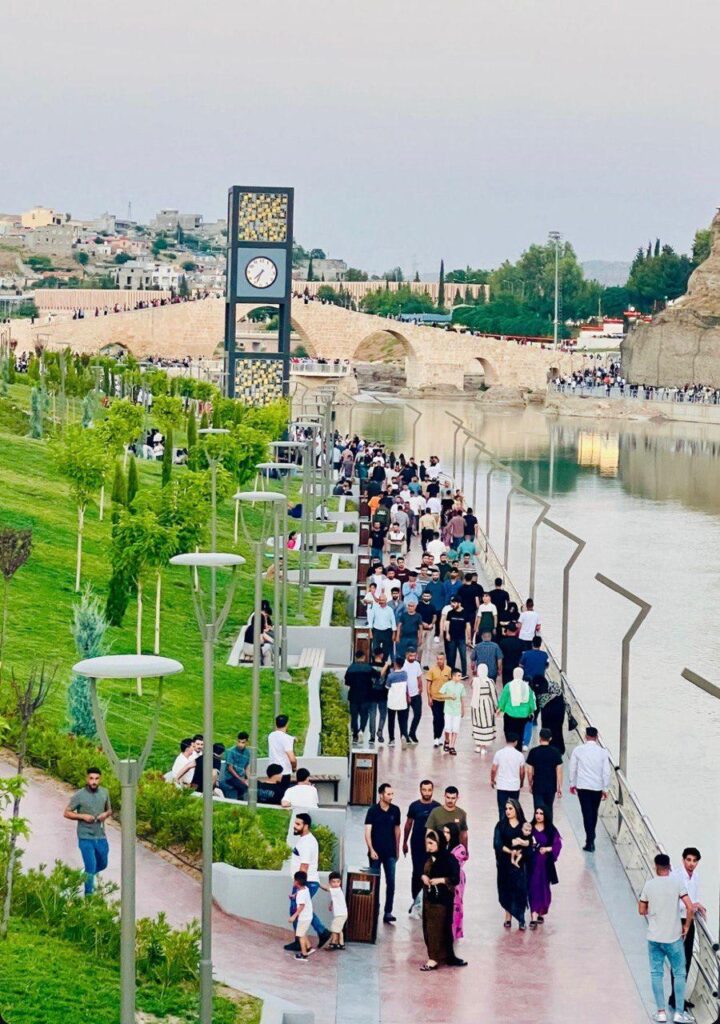
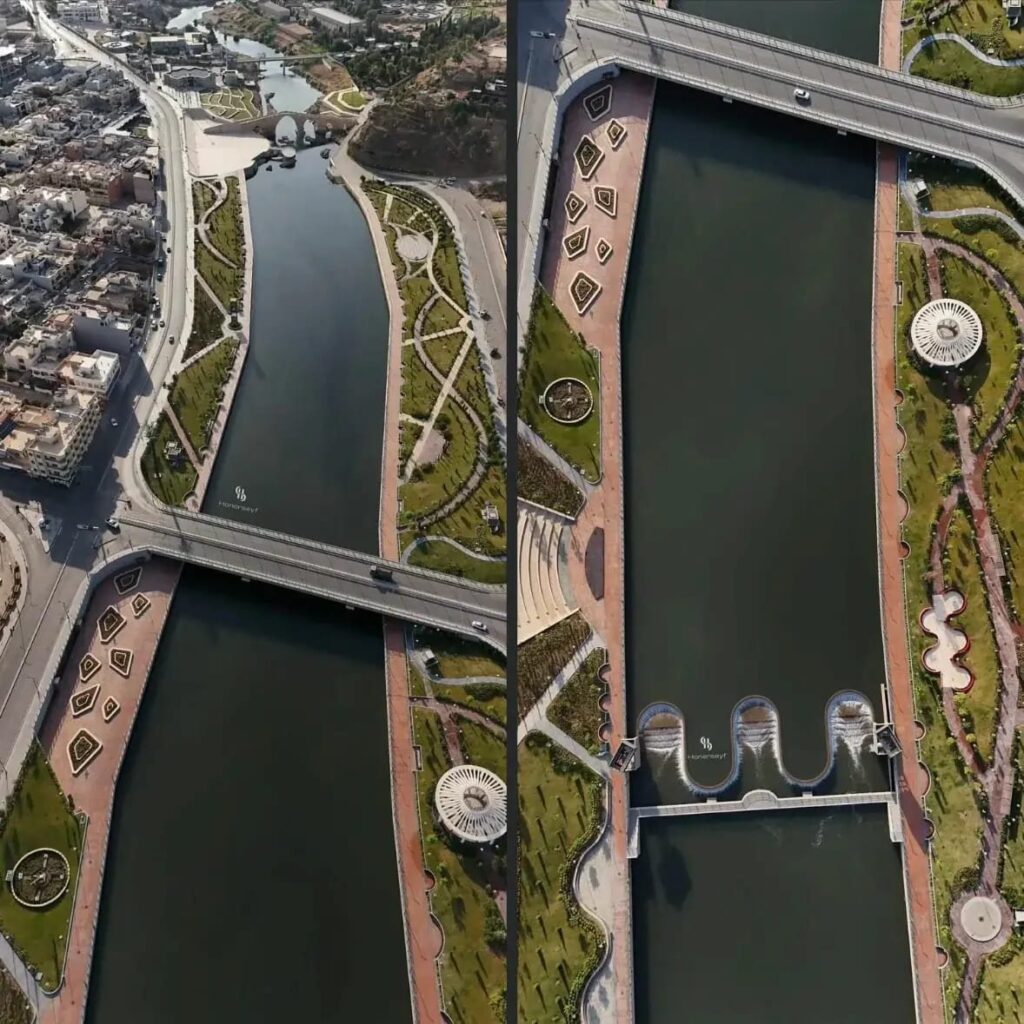
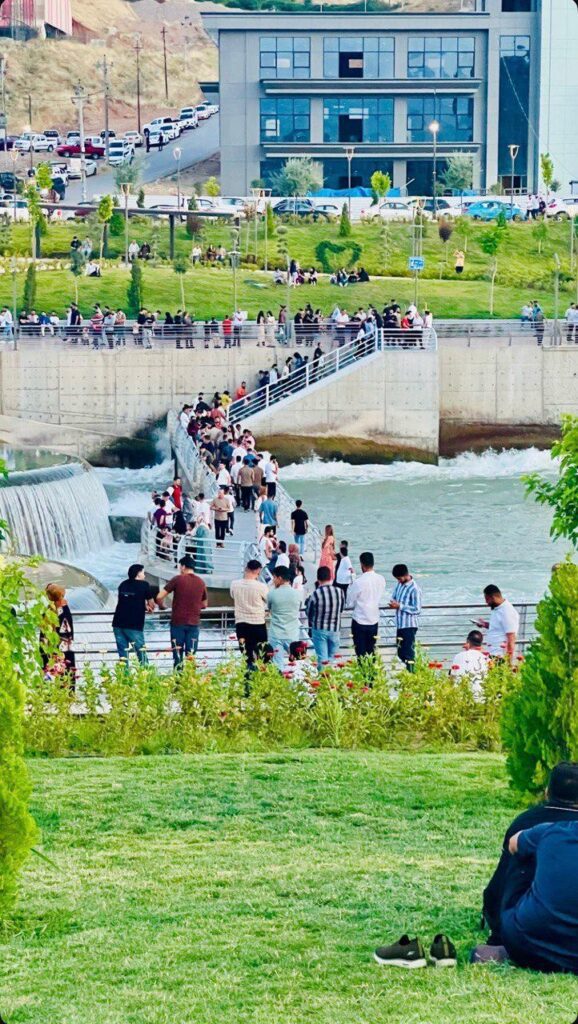
5. Kurdistan Regional Government (KRG). (2024). Zakho Corniche redevelopment master plan. Erbil: Department of Municipalities and Tourism.
6. Mansour, H., & Abdullah, S. (2022). Water quality deterioration and heavy metal pollution in the Khabur River. Environmental Monitoring and Assessment, 194(5), 233–248. https://doi.org/10.1007/s10661-022-09908-7
7. United Nations Human Settlements Programme (UN-Habitat). (2020). The three-legged approach to sustainable urban development. Nairobi: UN-Habitat Publications.
8. Yilmaz, H., & Akyol, E. (2020). Balancing modernization and heritage in Istanbul’s Golden Horn redevelopment. Journal of Urban Design, 25(6), 845–862. https://doi.org/10.1080/13574809.2020.1745103
9. Zakaria, R., & Mohammed, L. (2023). Public perception of riverfront redevelopment projects in Iraqi Kurdistan. Journal of Planning and Development, 19(4), 301–319. https://doi.org/10.1080/09718923.2023.1190452
10. Zakho Municipality. (2023). Community consultation report on the Corniche redevelopment. Zakho: Municipal Planning Office.