Berlin, Germany Debates Airbnb Restrictions Amid Housing Affordability Crisis
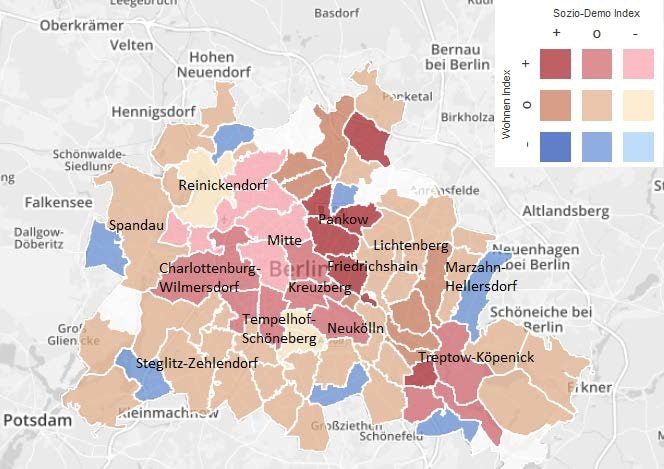
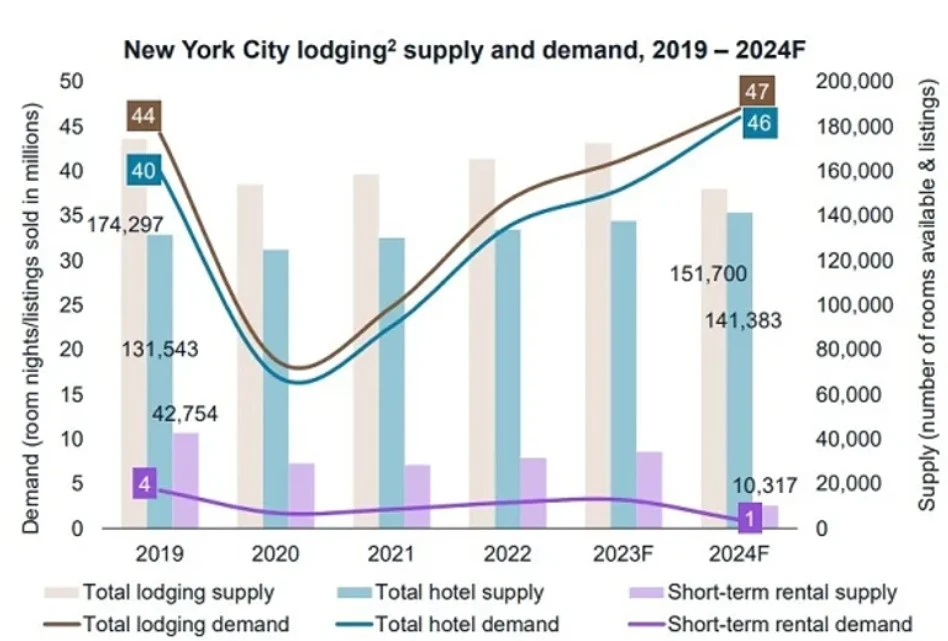
Berlin has been grappling with a housing affordability crisis, with soaring rents and a shortage of available apartments. A significant factor contributing to this issue is the proliferation of short-term rentals through platforms like Airbnb, which have been accused of removing substantial amounts of housing from the long-term rental market.

Policy Measures and Restrictions
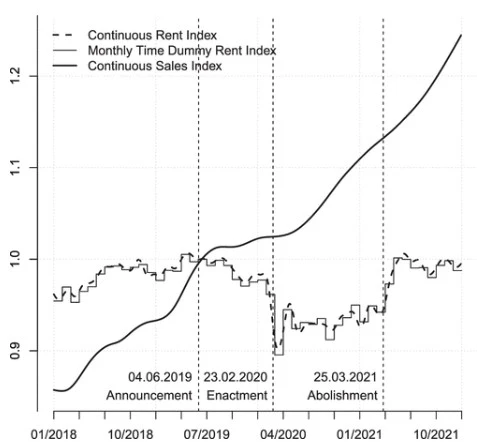
In response to the housing crisis, Berlin implemented the “Zweckentfremdungsverbot” (misuse prohibition) law in 2014, which restricts the conversion of residential properties into short-term rentals. This law requires property owners to obtain permission from local authorities before renting out their homes for short periods. Violations can result in fines of up to €500,000.
Despite these regulations, enforcement has been challenging. A 2025 report indicated that, since 2014, nearly 30,000 cases of housing misuse were identified, but many violations remained unaddressed due to insufficient monitoring resources.
Impact on Urban Life and Housing Affordability
The surge in short-term rentals has had a tangible impact on Berlin’s housing market. A study by the German Institute for Economic Research (DIW) found that each additional Airbnb listing in a neighborhood led to an average rent increase of 13 cents per square meter. This effect was particularly pronounced for listings rented out for more than 180 days, effectively removing these units from the long-term rental market.
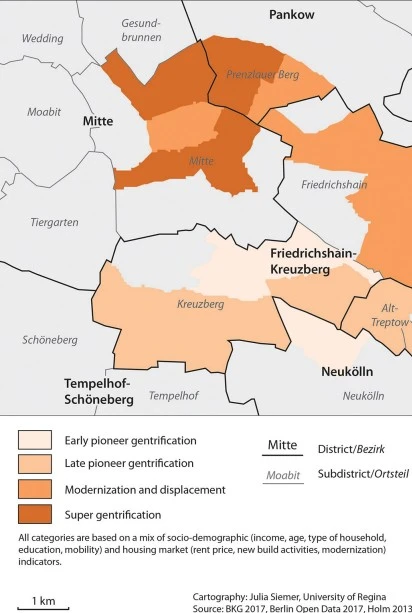
The concentration of short-term rentals in popular districts has also altered the character of neighborhoods, with some areas becoming more transient and less community-oriented. This shift has raised concerns about the loss of local identity and the displacement of long-term residents.
Recent Developments and Future Outlook
In September 2026, the European Commission proposed new regulations to limit short-term rentals in areas facing housing shortages, aiming to improve access to affordable housing across the EU. While housing policy remains under national jurisdiction, this initiative provides a framework for local authorities to implement proportional and temporary restrictions based on specific criteria.
In Berlin, the debate continues over the most effective strategies to balance the benefits of short-term rentals for tourism with the need to preserve affordable housing for residents. Ongoing discussions focus on enhancing enforcement of existing laws, exploring new regulatory measures, and considering broader housing policies to address the underlying affordability issues.