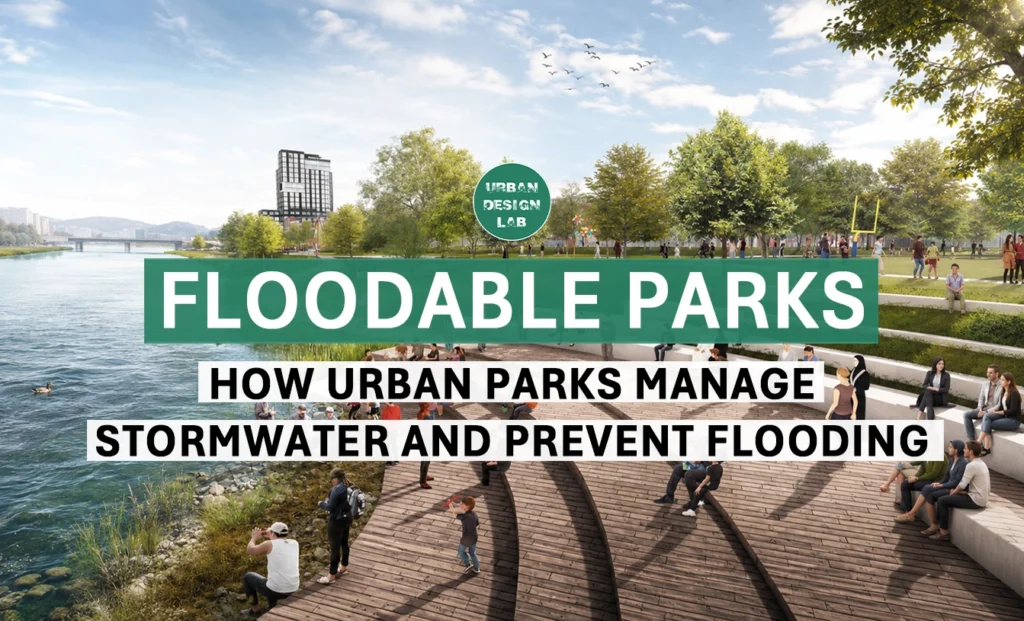
Flood parks, also known as water squares or climate parks, represent an innovative urban design strategy that addresses two critical challenges simultaneously: the need for public green spaces and the growing threat of urban flooding due to climate change. These multi-functional landscapes are engineered to be both recreational hubs during dry weather and essential water retention basins during heavy rainfall. Unlike traditional “grey infrastructure” that relies on underground pipes, flood parks use natural and semi-natural methods to absorb, store, and slowly release stormwater. This approach not only prevents flash floods but also recharges groundwater and reduces the strain on city drainage systems. Beyond their core function, these parks offer numerous co-benefits, including improved air quality, enhanced biodiversity, and a higher quality of life for residents through the provision of aesthetically pleasing and usable public spaces. As cities around the world face increasingly unpredictable weather patterns, flood parks are emerging as a key component of a more resilient, sustainable, and livable urban future.
A New Paradigm in Urban Planning
Flood parks are a groundbreaking concept in urban design, moving away from the traditional, single-purpose infrastructure that has long defined our cities. They represent a fundamental shift towards a dual-use approach where a single piece of infrastructure serves multiple, distinct functions. For most of the year, a flood park operates just like any other public green space, providing residents with areas for recreation, relaxation, and social gatherings. However, its design subtly integrates features that prepare it for its other, more critical role. These features, often unnoticeable on a sunny day, can include sunken sports fields, gently sloped lawns, and creatively designed water channels. This innovative model challenges the long-held notion that cities must be designed to simply expel water as quickly as possible. Instead, flood parks are designed to work with water, turning a potential disaster into a managed event and a valuable resource. This forward-thinking strategy is not just about flood control; it is about creating smarter, more adaptable cities that can thrive in a changing climate.
The need for flood parks is more urgent than ever, driven by a convergence of factors. Climate change has led to more frequent and intense rainfall events, overwhelming outdated municipal drainage systems. Concurrently, rapid urbanization has resulted in the proliferation of impermeable surfaces like concrete and asphalt, which prevent rainwater from being absorbed into the ground, leading to increased surface runoff. This combination of factors makes cities highly vulnerable to flash floods. Traditional flood control methods, often referred to as “grey infrastructure” (e.g., concrete walls, deep pipes), are expensive, inflexible, and fail to provide any community benefits. Flood parks offer a sustainable and flexible alternative. By integrating natural processes into the urban fabric, they reduce reliance on costly, single-purpose engineering solutions and provide a “green” buffer against climatic extremes. They are a proactive response to a global problem, demonstrating that cities can adapt to new environmental realities while simultaneously enhancing the quality of urban life.
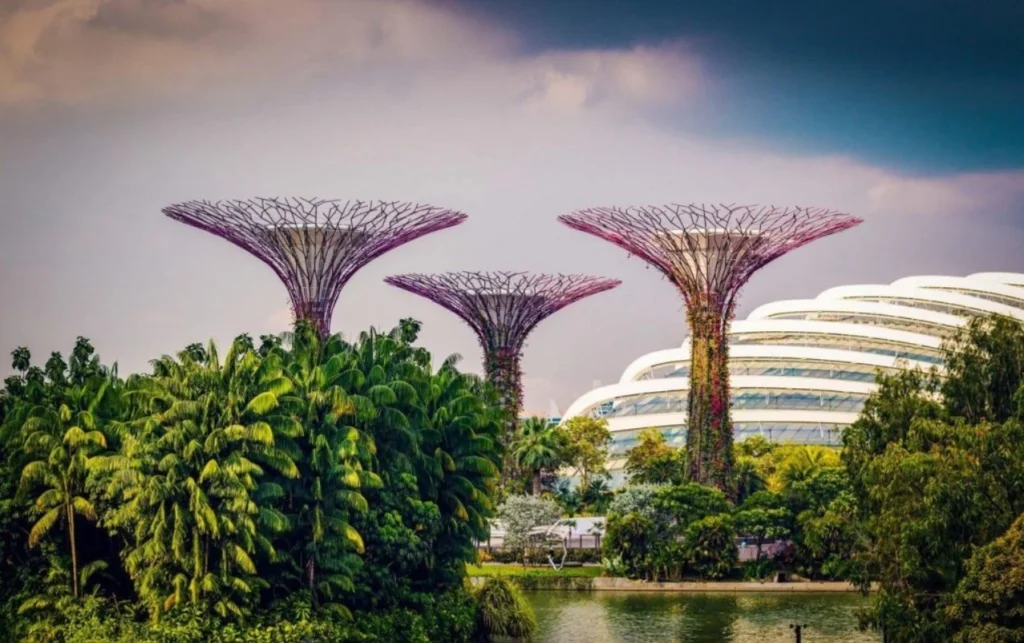
Singapore’s Garden by the Bay
Source: Website Link
Strategic Design for a Dual Purpose
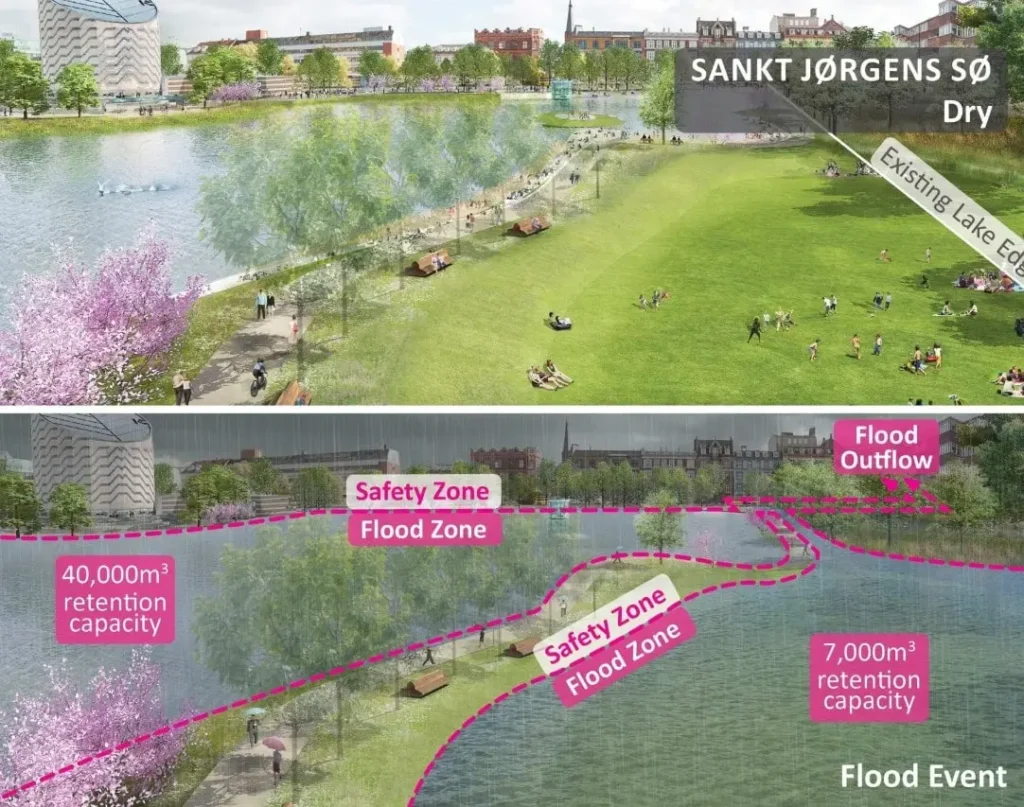
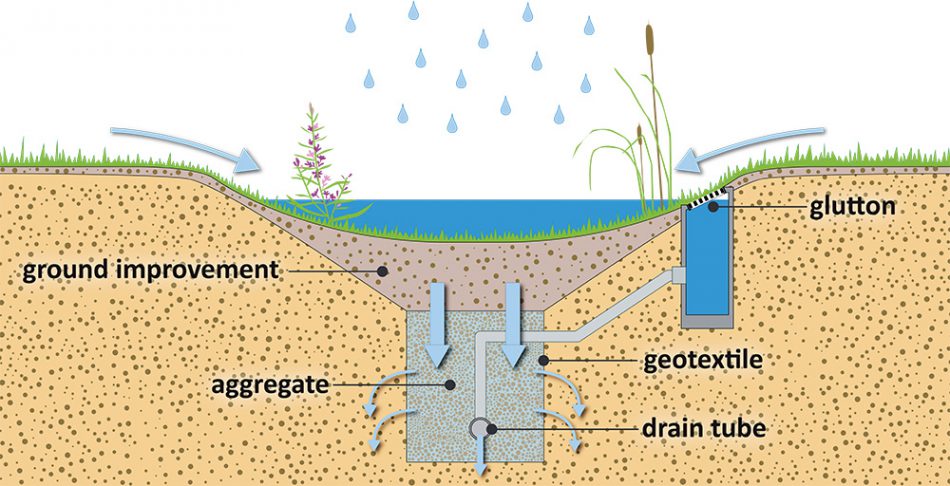
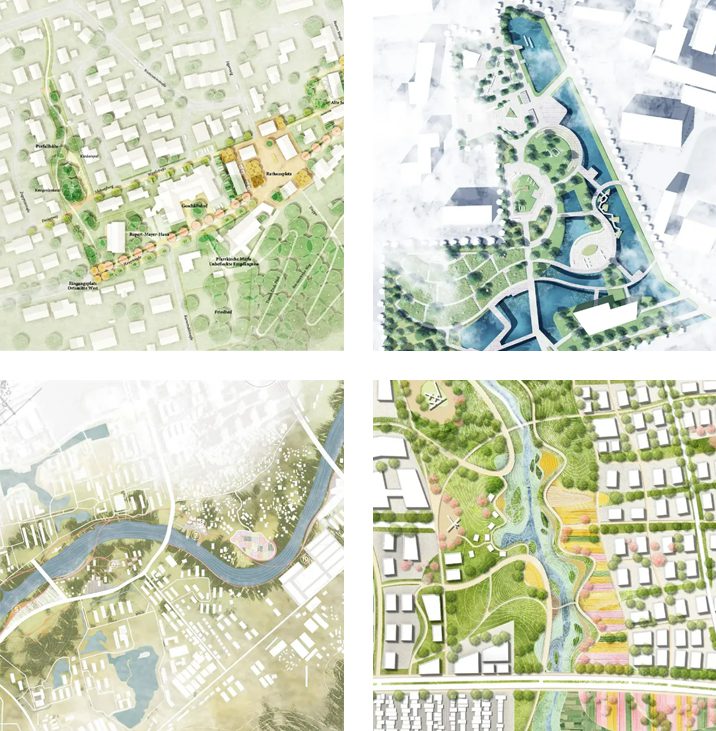
The genius of flood parks lies in their clever design. These spaces are carefully engineered to manage water flow and retention without compromising their aesthetic or recreational appeal. A primary design principle is to use topography to guide water. Parks are built with subtle depressions or tiered basins that remain dry during normal conditions but are designed to fill up with water during a storm. Additionally, designers use permeable surfaces, such as gravel, porous concrete, or natural ground, which allow rainwater to infiltrate the soil rather than pooling on the surface. The choice of vegetation is also crucial. Designers select flood-tolerant plant species that can survive temporary submersion and contribute to the park’s biodiversity. Some designs incorporate bioswales—linear, planted depressions that absorb and filter stormwater runoff. The result is an integrated system that functions like a natural sponge, absorbing water from the surrounding area and preventing it from overwhelming the city’s drainage network.
While their flood management role is paramount, the day-to-day value of flood parks as recreational spaces is immense. These spaces provide much-needed green relief in dense urban environments. From playgrounds and sports courts to walking trails and open lawns, flood parks offer a wide array of amenities that foster community well-being and physical health. The strategic use of landscaping and benches also creates peaceful, aesthetically pleasing environments for relaxation and social interaction. By locating these parks within neighborhoods, cities ensure that residents have easy access to green spaces, which has been shown to improve mental and physical health. Moreover, these projects often involve community engagement during the design phase, giving residents a sense of ownership and fostering a strong community bond. The result is a vibrant, multi-functional space that not only protects the city but also enriches the lives of its inhabitants, turning a piece of critical infrastructure into a beloved neighborhood asset.
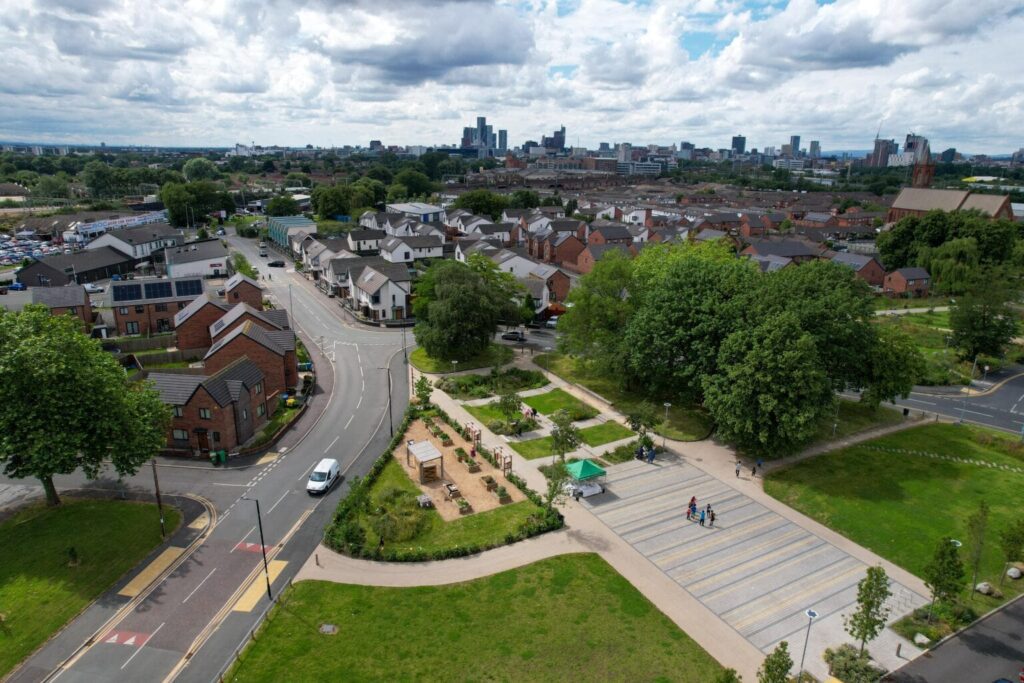
The Sponge Park: West Gorton’s Solution to Urban Flooding
The “reservoir by storm” function is the core of the flood park concept, a solution that directly addresses the reality of urban flash floods. When a heavy storm hits, the park’s carefully designed basins and channels begin to fill with water, acting as a temporary storage facility. This process buys critical time, preventing the instantaneous overflow of public sewer systems and reducing the risk of water damage to homes, businesses, and critical infrastructure. Once the storm subsides and the municipal drainage system has regained capacity, the water is slowly released into the system or allowed to infiltrate the soil. Some advanced flood parks even filter and purify the stored rainwater for later use, such as for watering plants or cleaning city streets. This intelligent, delayed-release mechanism is a game-changer for urban flood management. It provides a flexible and visible solution that works in concert with the city’s existing infrastructure, proving that nature-based solutions can be highly effective in a modern urban context.
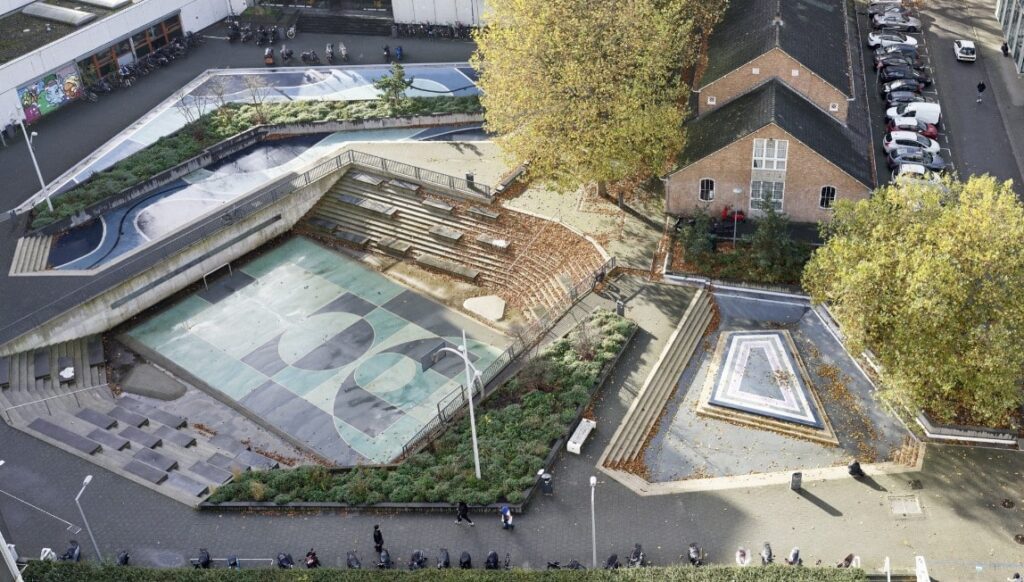
A pioneering example of a flood park in action is the Waterplein Benthemplein in Rotterdam, the Netherlands. Designed by the firm De Urbanisten, this “water square” was created to combat the city’s increasing risk of flooding. The square features three large, sunken concrete basins of varying depths, which serve as recreational spaces when dry—a sports court, a theatre, and a skating area. The genius of the design lies in its visibility. When it rains, shiny stainless-steel gutters and open channels direct the water into the basins, making the water’s flow a visible and dramatic spectacle. The square can hold a significant volume of stormwater, preventing it from overwhelming the local sewer system. The project was developed in close collaboration with the local community, ensuring the space met their needs and fostered a sense of ownership. The success of Benthemplein has made it a global model for how urban design can tackle climate resilience in a beautiful, functional, and community-driven way.
Overcoming Hurdles and The Path Forward
While flood parks are a promising solution, their implementation is not without challenges. One of the primary hurdles is the high initial cost and the difficulty in retrofitting them into already dense urban areas. Acquiring suitable land and securing funding often requires long-term planning and collaboration between various municipal departments and private partners. Public perception can also be a challenge; convincing residents that a public space may be temporarily submerged requires effective communication and community engagement. Despite these obstacles, the long-term benefits of flood parks far outweigh the initial investment. They represent a paradigm shift towards a more circular and sustainable approach to urban water management, where water is viewed as a resource to be managed rather than a problem to be discarded. As cities grapple with the realities of climate change, these multi-functional green spaces are set to become an essential feature of resilient urban landscapes, proving that cities can be both green and secure.
Conclusion
Flood parks are a testament to the power of innovative urban design in the face of global challenges. By ingeniously blending recreational space with essential flood-management infrastructure, these projects offer a sustainable and aesthetically pleasing solution to the growing threat of urban flooding. They not only protect cities from the economic and social devastation of extreme weather events but also create healthier, more livable communities. The shift from traditional “grey” infrastructure to multi-functional “green” infrastructure is a crucial step towards building resilient cities that are better prepared for the future. As showcased by successful examples like Waterplein Benthemplein, these parks demonstrate that it is possible to live with water rather than constantly fighting against it. Ultimately, flood parks are more than just a smart engineering solution; they are a vision for a more integrated, sustainable, and harmonious urban future where our public spaces serve us both day and night, in sunshine and in storm.
References
De Urbanisten. (2025). Water Square Benthemplein: Rotterdam’s Climate Adaptation Masterpiece. Rotterdam: De Urbanisten Press.
Patel, A. (2024). The Rise of Green Infrastructure: Reshaping Urban Landscapes. Journal of Urban Design and Planning, 12(3), 45-60.
Smith, J. & Chen, L. (2023). Urban Resilience in a Changing Climate: A Global Perspective. Global Resilience Institute.
European Commission. (2025). Nature-Based Solutions for Urban Regeneration: The Flood Park Model. Brussels: Publications Office of the European Union.
World Bank. (2024). Beyond Grey: Investing in Green Infrastructure for Urban Flood Control. World Bank Group.
Jones, K. (2022). Copenhagen’s Climate-Adapted Neighborhoods: A Case Study in Proactive Urban Planning. Scandinavian Journal of Urban Studies, 8(1), 112-125.
Lee, M. (2024). Public Perception of Flood-Resilient Urban Parks. Journal of Environmental Psychology, 34(2), 78-91.
Gomez, C. (2023). Recreation by Day, Reservoir by Storm: The Dual-Use Park Model. Urban Planning Review, 19(4), 210-225.
Rao, S. (2022). The Economics of Green Infrastructure: A Cost-Benefit Analysis. Infrastructure & Sustainability Forum.
Müller, E. (2025). Designing for Water: A Practical Guide to Flood-Resilient Landscape Architecture. Landscape Architecture Press.
Shatakshi Prabhakar Patil
About the Author
Shatakshi Patil is a passionate urban designer with a strong foundation in architecture and a commitment to creating inclusive, sustainable spaces. She brings a global perspective to her work, combining strategic thinking with technical proficiency in urban planning and design. Known for her initiative and research-driven approach, she excels at transforming complex urban challenges into people-focused solutions. Her work reflects a balance of creativity, precision, and a deep sensitivity to context.
“Let’s explore the new avenues of Urban environment together “
We use cookies on our website to give you the most relevant experience by remembering your preferences and repeat visits. By clicking “Accept”, you consent to the use of all the cookies. Read More
This website uses cookies to improve your experience while you navigate through the website. Out of these, the cookies that are categorized as necessary are stored on your browser as they are essential for the working of basic functionalities of the website. We also use third-party cookies that help us analyze and understand how you use this website. These cookies will be stored in your browser only with your consent. You also have the option to opt-out of these cookies. But opting out of some of these cookies may affect your browsing experience.
Necessary cookies are absolutely essential for the website to function properly. These cookies ensure basic functionalities and security features of the website, anonymously.
Cookie
Duration
Description
cookielawinfo-checkbox-analytics
11 months
This cookie is set by GDPR Cookie Consent plugin. The cookie is used to store the user consent for the cookies in the category "Analytics".
cookielawinfo-checkbox-functional
11 months
The cookie is set by GDPR cookie consent to record the user consent for the cookies in the category "Functional".
cookielawinfo-checkbox-necessary
11 months
This cookie is set by GDPR Cookie Consent plugin. The cookies is used to store the user consent for the cookies in the category "Necessary".
cookielawinfo-checkbox-others
11 months
This cookie is set by GDPR Cookie Consent plugin. The cookie is used to store the user consent for the cookies in the category "Other.
cookielawinfo-checkbox-performance
11 months
This cookie is set by GDPR Cookie Consent plugin. The cookie is used to store the user consent for the cookies in the category "Performance".
viewed_cookie_policy
11 months
The cookie is set by the GDPR Cookie Consent plugin and is used to store whether or not user has consented to the use of cookies. It does not store any personal data.
Functional cookies help to perform certain functionalities like sharing the content of the website on social media platforms, collect feedbacks, and other third-party features.
Performance cookies are used to understand and analyze the key performance indexes of the website which helps in delivering a better user experience for the visitors.
Analytical cookies are used to understand how visitors interact with the website. These cookies help provide information on metrics the number of visitors, bounce rate, traffic source, etc.
Advertisement cookies are used to provide visitors with relevant ads and marketing campaigns. These cookies track visitors across websites and collect information to provide customized ads.


















One Comment
Innovative solutions for sustainable development of urban flood control.