

An examination of France’s October 2026 protests, the crisis of confidence in public education, rising household costs, territorial inequality and the growing tensions between fiscal policy and social expectations.
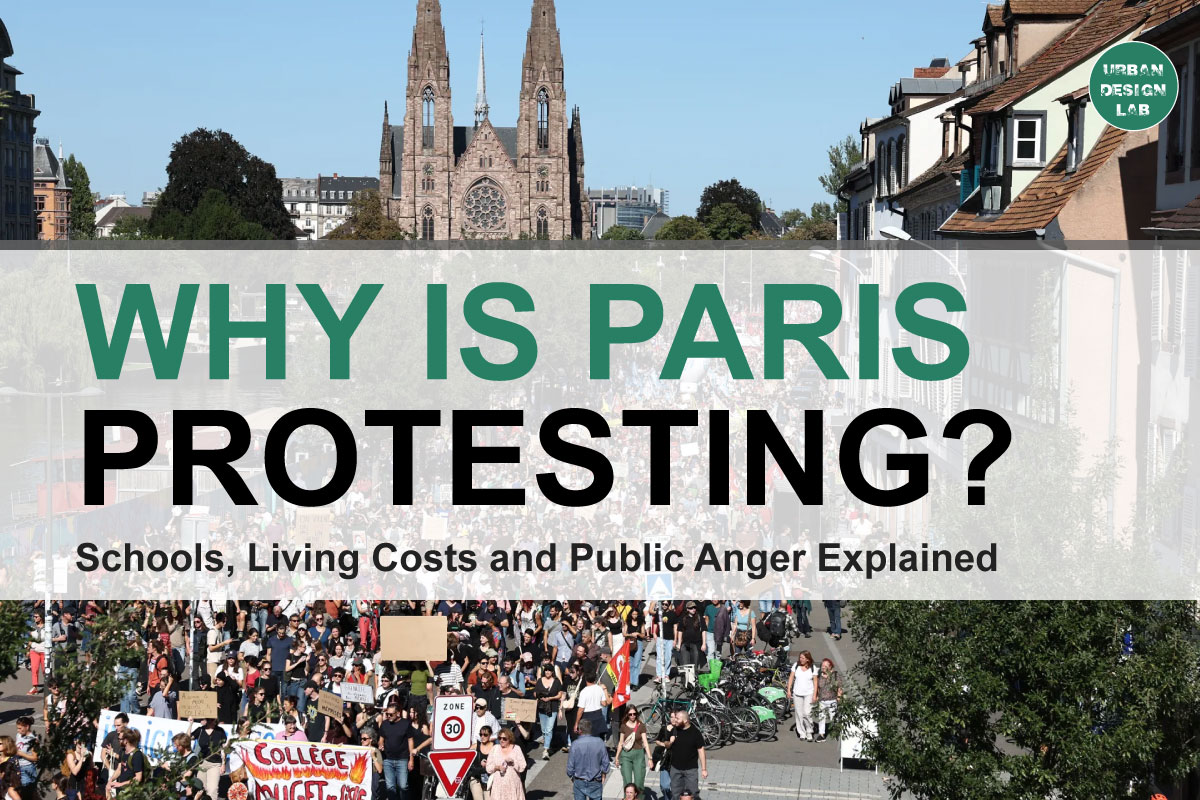
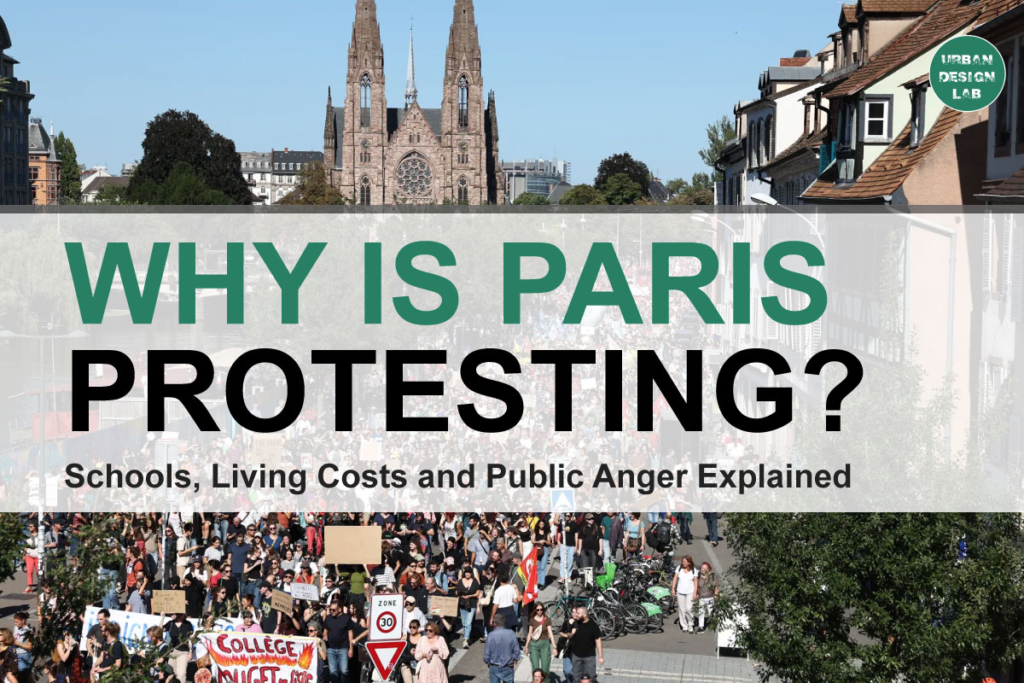
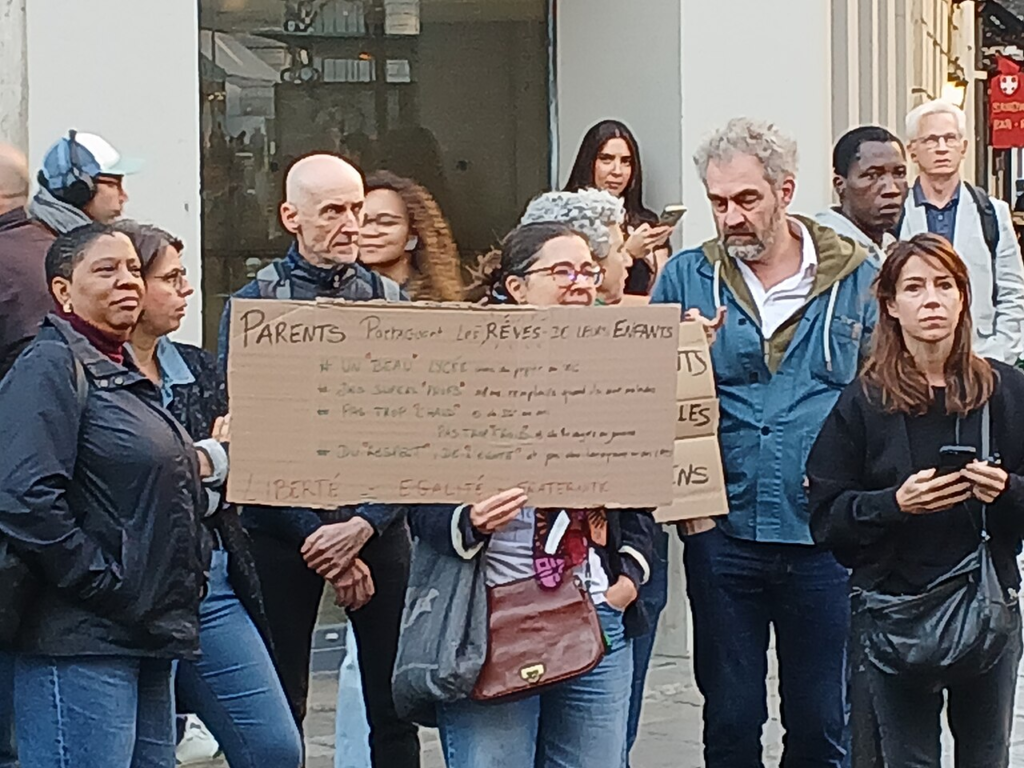
Paris has once again become a focal point of public protest. What began as demonstrations over understaffed schools, inadequate educational facilities and unequal learning opportunities has developed into a broader confrontation over public services, living costs, economic security and political accountability. The demonstrations reveal something more consequential than dissatisfaction with individual government decisions: they expose tensions over the distribution of public resources and the capacity of public institutions to deliver equitable opportunities.
The movement emerged in the Paris metropolitan region in September 2026, particularly around secondary schools experiencing staffing and resource difficulties. By early October, demonstrations and school blockades had spread to cities across France. The French Ministry of Education subsequently acknowledged the mobilisation and announced measures addressing teacher replacement, school conditions, student schedules, university admissions and student participation in decision-making (French Ministry of Education, October 2026).
These educational grievances have converged with economic pressures. According to France’s national statistics agency, INSEE, consumer prices increased by 3.1% year on year in September 2026, with energy prices rising by 21.3%. Such changes have intensified concerns about purchasing power, particularly among households already managing housing, transport and other essential expenditure (INSEE, Consumer Price Index, September 2026).
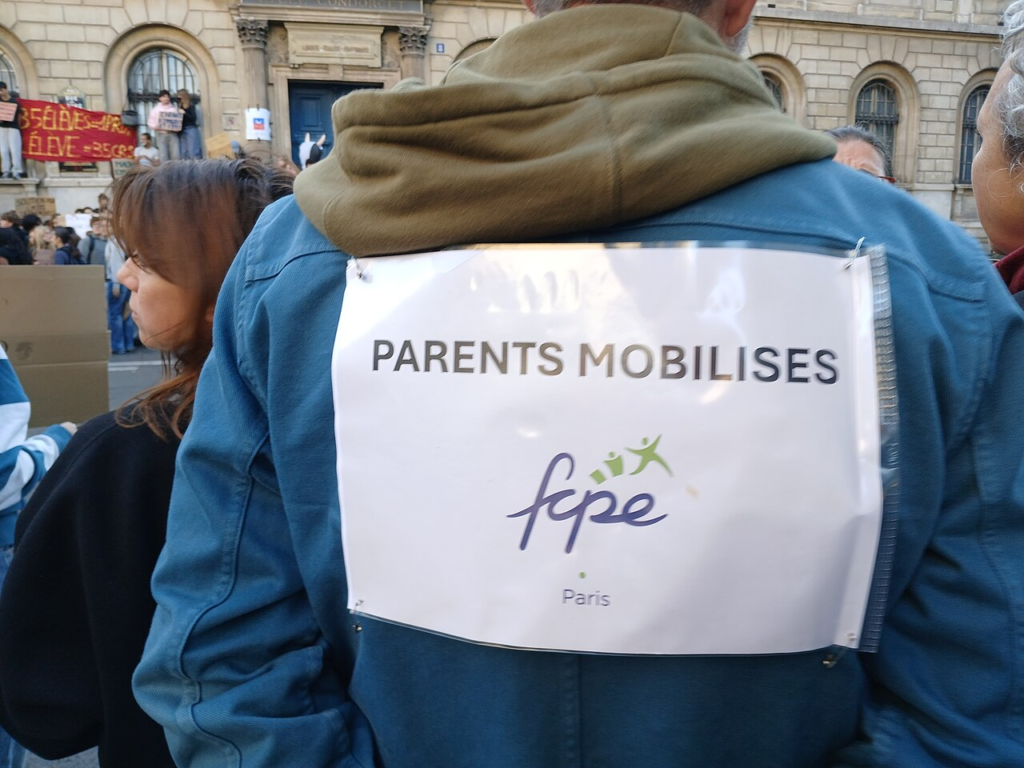
Yet it would be analytically misleading to describe the protests as a single, uniformly organised movement with one cause. Student organisations, public-sector unions, workers, households and other demonstrators have overlapping but distinct demands. Their participation should not automatically be interpreted as evidence of identical political objectives.
For urban researchers, architects, planners and policymakers, the significance extends beyond the demonstrations themselves. Schools are elements of social infrastructure. Housing affordability shapes access to opportunity. Public transport determines the practical geography of employment and education. When these systems become unevenly accessible or fail to meet expectations, the resulting dissatisfaction can become politically visible in streets, squares and other public spaces.
The central argument of this article is that the protests are best understood through the interaction of three processes: inequality in access to public services, pressure on household economic security and declining confidence in the responsiveness of public institutions. Examining these processes together offers a stronger explanation than attributing the unrest exclusively to inflation, education policy or political opposition.
Evidence reviewed through 25 October 2026. The analysis distinguishes reported events, official statistics and policy interpretations. Historical datasets are identified by their reference years rather than presented as current measurements.
1. From School Gates to National Demonstrations: How the Protests Developed
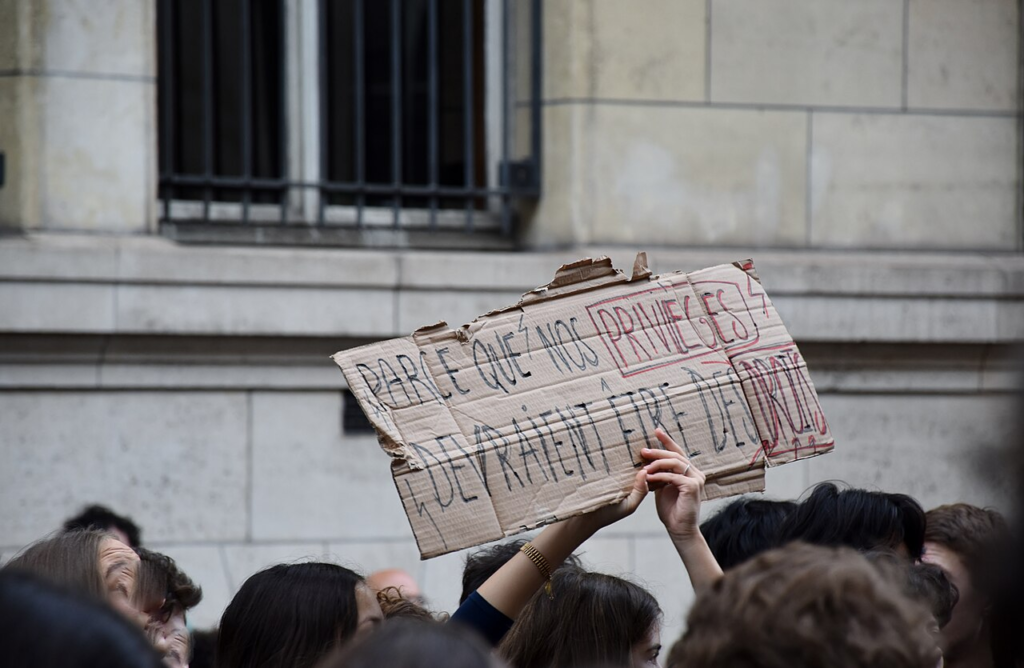
The immediate origins of the current unrest lie in the relationship between students and the institutions responsible for their education. Rather than beginning as a nationwide movement against inflation, the mobilisation initially developed around educational conditions in the Paris metropolitan region.
One important focal point was the Créteil area, southeast of central Paris, where students and educators raised concerns about unfilled teaching positions and insufficient resources. The grievances subsequently gained visibility beyond individual schools, creating opportunities for student organisations to coordinate action across different educational institutions.
By early October 2026, the French government was responding to a mobilisation that extended beyond isolated school disputes. The Ministry of Education documented discussions with student representatives on 2 and 8 October and announced a broader consultation process. Its published account identifies teacher availability, school facilities, daily timetables, educational guidance and participation in school governance as areas requiring intervention (French Ministry of Education, 9 October 2026).
This sequence is important because the emergence of a national protest movement should not obscure the diversity of its local origins.
A secondary school facing a shortage of mathematics teachers does not necessarily experience the same problem as an institution with inadequate heating or overcrowded classrooms. Likewise, a student dissatisfied with university admission procedures is expressing a different concern from a public-sector employee seeking higher wages.
What connects these grievances is their relationship to the expected performance of public institutions.
The movement subsequently intersected with broader demonstrations over public expenditure, economic insecurity and the cost of living. By 23 October, the Ministry of the Interior had published specific security instructions for the nationwide mobilisation scheduled for 24 October, reflecting official concern about renewed disorder following earlier confrontations (French Ministry of the Interior, 23 October 2026).
These developments suggest a widening political conflict, but they do not establish that every participating organisation shares the same priorities.
The transition from school-based demonstrations to national mobilisation is better understood as a process of grievance convergence. Different groups identify common dissatisfaction with public policy while retaining distinct demands.
For policymakers, this distinction matters. A response limited to increasing teacher recruitment may address an important educational concern without resolving household affordability. Conversely, temporary financial assistance may relieve immediate economic pressure without addressing inequalities in educational provision.
The protests have therefore become more difficult to resolve precisely because their demands involve several interconnected policy systems.
2. The School Crisis: Teacher Shortages, Infrastructure and Educational Inequality
Schools represent a particularly consequential form of urban social infrastructure. Their effectiveness depends not only on classroom instruction but also on staffing, physical conditions, accessibility, institutional management and the socioeconomic circumstances of the communities they serve.
The current protests bring these interconnected dimensions into focus.
A school building may formally provide the required number of classrooms while still failing to offer a satisfactory learning environment. Inadequate ventilation, unreliable heating, insufficient teaching equipment and poorly maintained facilities can affect the experience of education independently of the curriculum.
Teacher availability introduces another dimension.
A school can possess adequate infrastructure but struggle to provide continuity of instruction when specialist teachers are absent or vacant posts remain unfilled.
The OECD’s PISA 2025 country analysis for France provides useful evidence of institutional pressures.
In that assessment, 45% of students in France attended schools whose principals reported that teaching was hindered, at least to some extent, by a perceived shortage of teaching staff. The corresponding OECD average was 39%.
The same assessment found that 25% of French students attended schools whose principals considered physical infrastructure limitations an obstacle to instruction, while 20% attended schools reporting shortages of educational materials.
These indicators require careful interpretation.
They measure principals’ reported perceptions of resource constraints, weighted by student enrolment. They do not establish that the same proportion of schools had officially vacant teaching positions or failed legally prescribed building standards.
Indeed, the OECD’s Education at a Glance 2025 reported a comparatively low national rate of unfilled teaching posts in France within its international vacancy dataset.
There is no necessary contradiction between these findings. National vacancy statistics and school-level perceptions of instructional disruption measure different phenomena. A low aggregate vacancy rate can coexist with uneven subject coverage, short-term teacher absences or geographically concentrated staffing difficulties.
This distinction is essential when evaluating protesters’ claims.
It would be incorrect to conclude that the entire French education system is experiencing an identical staffing crisis. It would be equally incorrect to dismiss school-level disruptions because national staffing indicators appear comparatively favourable.
The government’s response provides additional evidence of the issues considered urgent. In October 2026, the Ministry of Education announced the rapid deployment of more than 3,000 replacement teachers to institutions with substantial needs, authorisation for several hundred additional recruitments and additional teaching hours for short-term substitution (French Ministry of Education, October 2026).
Importantly, deployment and recruitment are not equivalent. The redistribution of existing personnel can improve coverage without necessarily producing a corresponding increase in the total teaching workforce.
For architects and educational planners, the protests also raise questions about the quality of school infrastructure.
School performance cannot be evaluated adequately through construction expenditure or building capacity alone. Relevant indicators include environmental comfort, accessibility, maintenance response times, technological provision, usable teaching space and the adaptability of facilities to changing educational needs.
The present movement therefore highlights the need to consider schools as functioning social environments rather than simply as physical assets.
3. Two Sides of Metropolitan Paris: Territorial Inequality and Access to Opportunity
The geography of the Paris metropolitan region adds an important dimension to the protests.
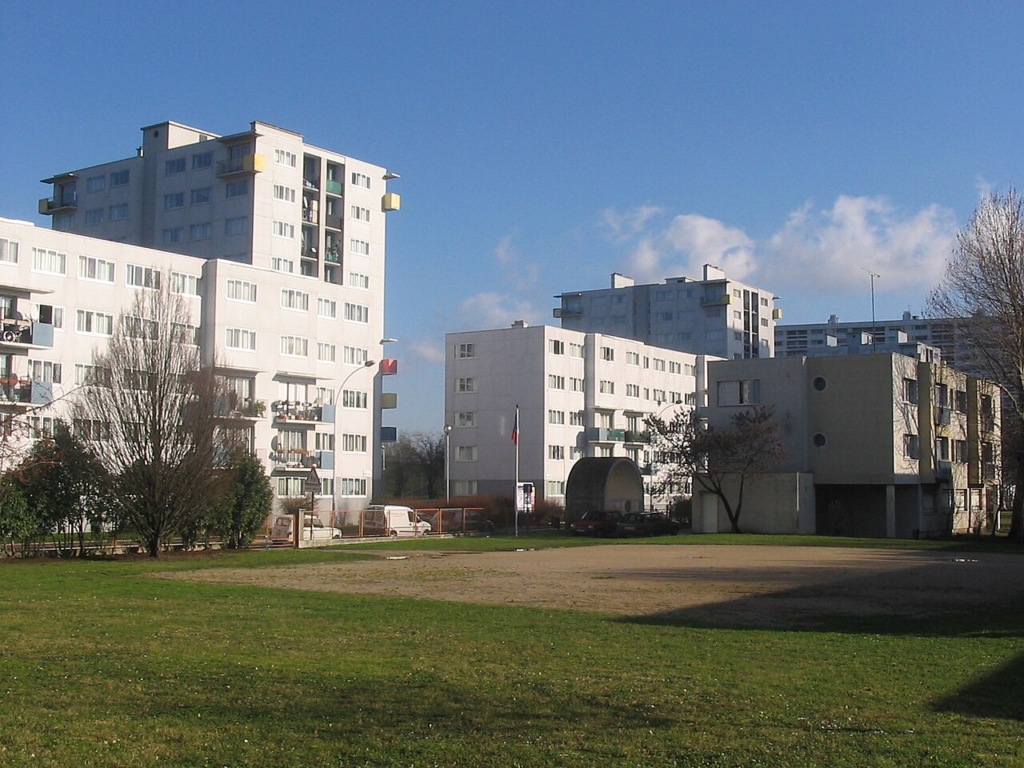
Paris is not a socially or economically uniform urban territory. Its historic core, established residential districts, suburban municipalities and peripheral housing estates accommodate populations with different incomes, housing conditions and access to opportunities.
These differences are documented in the regional statistics published by INSEE.
According to the INSEE regional profile for Île-de-France, median annual living standards in 2023 were €33,650 in Paris compared with €21,250 in Seine-Saint-Denis. The monetary poverty rate was 16.8% in Paris and 29.5% in Seine-Saint-Denis.
These figures illustrate substantial economic differences within the same metropolitan region.
However, income disparities do not automatically demonstrate equivalent differences in school funding or building quality. Establishing such a relationship would require school-level expenditure, staffing and infrastructure data, ideally adjusted for enrolment and pupil needs.
The distinction between spatial inequality and its institutional consequences is central to sound urban analysis.
A household’s residential location can shape its access to schools, transport networks, employment opportunities and social services. Yet these relationships are mediated by school assignment arrangements, household choices, transport accessibility and public policies.
The OECD’s PISA 2022 analysis for France found that students in the highest national socioeconomic quartile outperformed those in the lowest quartile by 113 points in mathematics, compared with an OECD average difference of 93 points.
This demonstrates a pronounced association between socioeconomic background and educational outcomes.
It does not, by itself, identify the independent contribution of neighbourhood conditions, school resources, parental education or institutional practices.
Nevertheless, the evidence provides a basis for examining whether public educational provision sufficiently compensates for disadvantages associated with household circumstances.
From an urban-design perspective, educational inequality should be assessed at several spatial scales.
At the metropolitan scale, differences in household income, housing affordability and employment geography influence the distribution of families.
At the neighbourhood scale, pedestrian infrastructure, public transport, safety and the distribution of educational facilities affect access.
At the building scale, classroom quality, accessibility, environmental conditions and maintenance determine how effectively the school supports everyday activities.
Public investment can intervene at each level, but physical improvements alone cannot eliminate inequalities originating in wider socioeconomic structures.
This explains why a discussion about school buildings can extend into concerns about social mobility.
When students perceive that the quality of educational opportunity depends heavily on where they live, individual complaints can develop into broader questions about the fairness of public institutions.
For planning authorities, an important implication is that facility provision should not rely exclusively on aggregate population thresholds. It should also consider deprivation, existing service deficits, transport barriers and the specific educational needs of different communities.
4. Rising Living Costs: Why Economic Pressure Has Become Part of the Protests
Although educational grievances helped initiate the mobilisation, the wider protests also reflect concerns about the affordability of everyday life.
The September 2026 inflation figures provide a measurable context.
According to INSEE’s final Consumer Price Index results, published on 15 October 2026, consumer prices increased by 3.1% over the preceding year. Energy prices increased by 21.3%, while food prices rose by 1.4%.
These changes affect household budgets differently.
For households that spend a relatively large proportion of their income on essential goods and services, increases in energy and transport expenditure can reduce financial flexibility. However, the precise impact depends on consumption patterns, housing tenure, wages, social benefits and other income sources.
It is therefore important to distinguish rising prices from declining real income.
A rise in the consumer price index does not automatically establish that every household experienced a fall in purchasing power. Some households may receive wage increases, pension adjustments or transfers that partly or fully offset inflation.
The broader distributional situation is more complicated.
In its July 2026 publication, Standards of Living and Poverty in 2024, INSEE reported that median living standards increased by 1.8% in real terms in 2024. Nevertheless, the monetary poverty rate remained at 15.4%, and income inequality reached a historically high level in the relevant statistical series.
The coexistence of improving average living standards and persistent poverty demonstrates why headline economic indicators may not fully reflect the experiences of financially vulnerable groups.
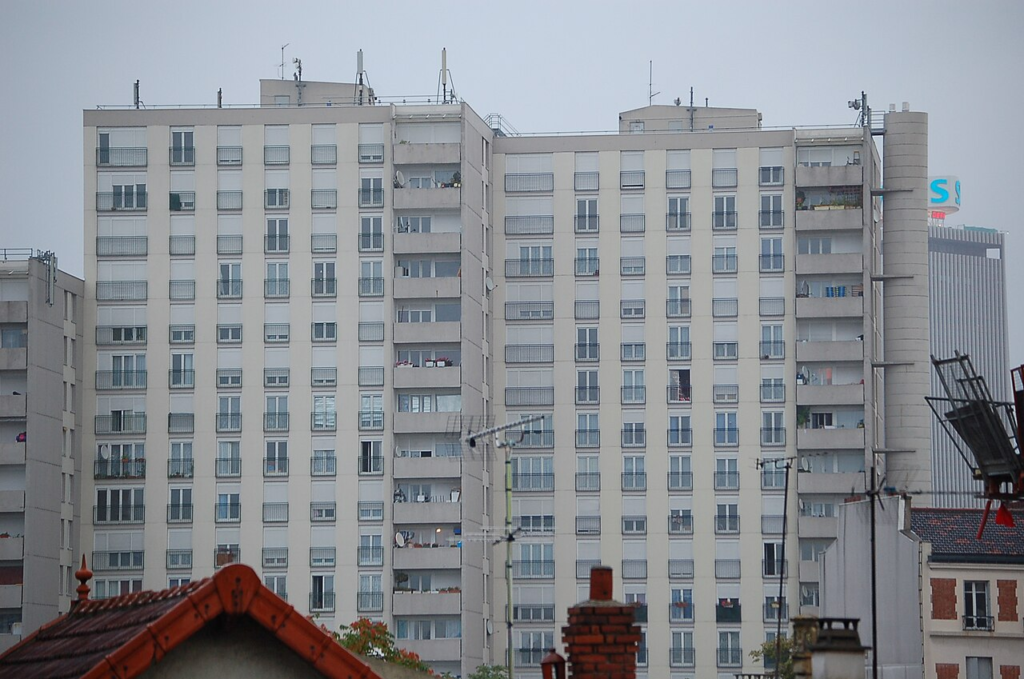
Housing is particularly important in a metropolitan context.
Household affordability depends not only on rent or mortgage costs but also on the combined expenditure required to access employment, education, healthcare and social networks.
A household may secure a less expensive residence outside central Paris while facing additional transport expenses or longer journeys.
Conversely, living closer to employment and educational opportunities can reduce travel costs while increasing housing expenditure.
The appropriate analytical framework is therefore combined housing and transport affordability, rather than housing prices considered in isolation.
For students, the relationship can be especially consequential. The affordability of accommodation, access to reliable transport and household financial support may influence educational choices and the practical feasibility of studying away from home.
However, the available national inflation statistics cannot establish how much Parisian students individually spend on housing or transport. Such claims would require contemporary household-expenditure or student-budget surveys.
What the available evidence does support is a broader interpretation: economic insecurity can intensify dissatisfaction with public services because households have less capacity to compensate privately for deficiencies in public provision.
Families with greater financial resources may have more options when educational or transport services are inadequate. Families with limited disposable income may be more dependent on the quality and reliability of publicly provided systems.
This creates a relationship between affordability and institutional trust, although the existence and magnitude of that relationship among the present protesters would need to be tested through representative research.
5. Public Budgets, Labour Demands and the Politics of Scarcity
The protests are also taking place within an unusually difficult fiscal environment for the French government.
The financing of education, healthcare, public employment and social protection depends on political choices regarding taxation, expenditure and borrowing.
These choices are constrained by economic conditions, but they are not determined by fiscal indicators alone.
According to INSEE’s General Government Accounts in 2025, France recorded a public deficit equivalent to 5.1% of gross domestic product in 2025. Public debt stood at approximately 115.7% of GDP at the end of that year.
The French Treasury’s October 2026 debt report projected further increases in the debt ratio in 2026 and 2027 under its published assumptions.
These indicators explain why expenditure commitments face scrutiny.
Nevertheless, national debt statistics cannot establish that a specific school budget reduction is unavoidable. That conclusion would require analysis of revenue options, spending priorities, borrowing costs, the budgetary framework and the projected benefits of alternative investments.
The political disagreement concerns not only the amount of public expenditure but also its allocation.
Education spending can be evaluated through competing criteria: total expenditure, expenditure per pupil, staffing ratios, learning outcomes, geographical distribution and the extent to which resources compensate for disadvantage.
An education budget might rise in nominal terms while the purchasing power of particular expenditure categories declines. Conversely, increased spending does not automatically produce better outcomes if resources are poorly targeted or administrative implementation is ineffective.
Labour organisations add another dimension.
Public-sector workers may experience dissatisfaction related to remuneration, workload, working conditions and the quality of services they are expected to provide.
Their demands overlap with student concerns when staffing shortages or deteriorating working environments affect both employees and service users.
Yet the interests of these groups are not always identical.
Higher public-sector remuneration, expanded recruitment and additional capital investment each require financing. Policy negotiations must consider the distribution of benefits, institutional capacity and implementation constraints.
The government’s October 2026 education measures illustrate this challenge. Replacement staffing can address immediate instructional disruption, while infrastructure improvement requires coordination with regional authorities responsible for lycée buildings (French Ministry of Education, October 2026).
The distinction between operating expenditure and capital investment is particularly important for planners and architects.
New school construction cannot compensate immediately for teacher absence. Similarly, additional teaching staff cannot resolve unsafe or inadequate physical environments without maintenance and capital improvements.
An effective public investment strategy must coordinate both.
The protests therefore raise a question extending beyond annual budgeting: how can governments demonstrate that limited public resources are being distributed according to transparent priorities and measurable needs?

6. When Streets Become Political Arenas: Protest, Public Space and Security
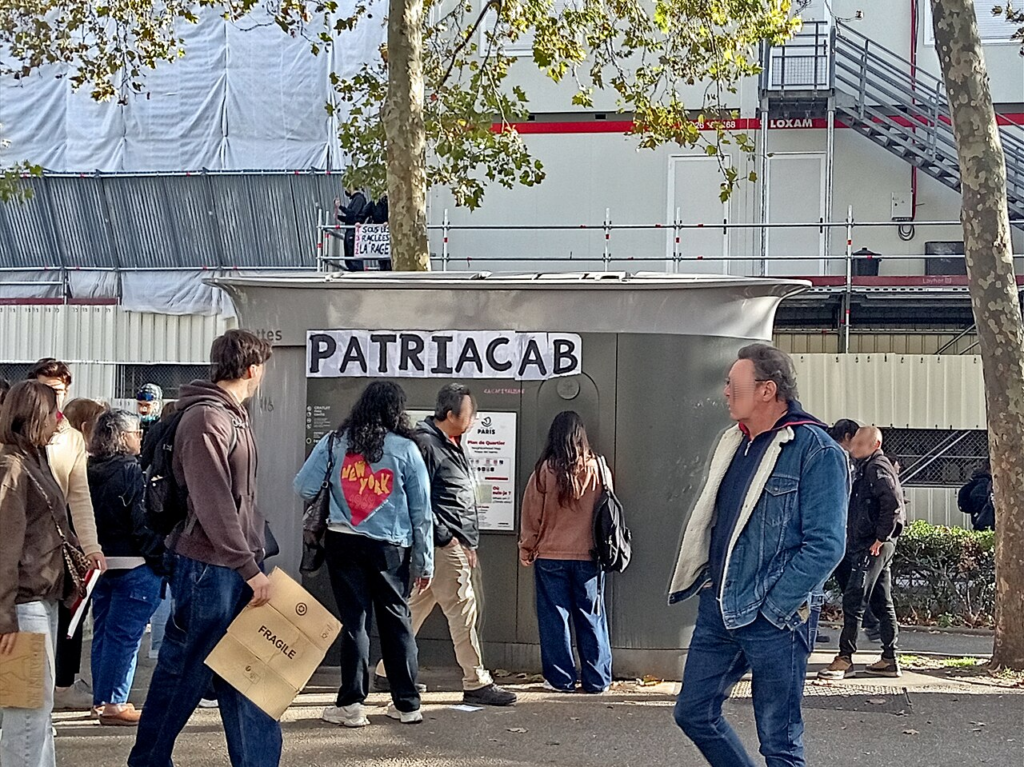
Public protest transforms ordinary urban spaces into sites of political expression.
Streets that normally accommodate movement become temporary gathering areas. Squares function as places of collective communication. School entrances become locations where disputes over institutional performance become publicly visible.
This transformation is particularly significant in a city such as Paris, where public spaces are central to both everyday urban life and the visibility of national political movements.
The current demonstrations also reveal the competing demands placed on these spaces.
Protesters seek visibility, participation and the ability to communicate grievances collectively. Residents and businesses seek safe access, predictable mobility and protection of property. Public authorities are responsible for maintaining order while respecting applicable legal protections for peaceful assembly.
These objectives can conflict, but they should not be treated as inherently incompatible.
The distinction between peaceful demonstration and unlawful violence is essential.
Property destruction, attacks on individuals and looting cannot be justified simply by reference to legitimate socioeconomic grievances. Equally, the actions of individuals engaged in violence should not automatically be attributed to every participant in a broader demonstration.
The French Ministry of the Interior’s 23 October 2026 statement on preparations for the following day’s mobilisation described concerns over previous damage and announced heightened scrutiny of demonstration routes, security arrangements and risks to businesses.
The ministry also stated that the use of force must comply with applicable legal requirements of proportionality.
Such official statements establish the government’s security rationale. They should not be interpreted as independent confirmation of every individual incident or as proof that all security measures were proportionate in practice.
Assessing particular confrontations requires incident-level evidence, including documentation of police actions, the conduct of demonstrators, injuries, arrests and subsequent judicial findings.
For urban researchers, demonstrations also raise questions about the spatial management of conflict.
Transport disruption can extend the effects of a protest beyond the immediate demonstration route. A closed street may affect bus operations, delivery movements, emergency access and pedestrian circulation.
The severity of these effects depends on network redundancy, route design, crowd density, policing arrangements and the availability of alternative connections.
It would therefore be misleading to assume that all demonstrations generate equivalent disruptions.
Equally, the spatial consequences of demonstrations should not become a substitute for examining their underlying demands.
Images of damaged streets communicate the immediate physical effects of unrest. They cannot, by themselves, establish the motivations of all participants or explain why initially peaceful gatherings sometimes develop into confrontations.
The broader planning issue concerns the capacity of urban public space to accommodate democratic expression while maintaining safety and essential mobility.
A resilient city requires both functioning infrastructure and legitimate opportunities for public participation.

7. What Would a Credible Policy Response Require?
The government’s central challenge is to respond to immediate grievances without reducing a complex social conflict to isolated concessions.
The first requirement is an evidence-based assessment of educational conditions.
A national recruitment announcement is not sufficient evidence that teaching continuity has improved in the institutions experiencing the greatest difficulties.
Authorities should publish school-level or suitably aggregated indicators covering unresolved vacancies, instructional hours lost, replacement coverage, building maintenance needs and the distribution of resources across disadvantaged communities.
Such monitoring must protect individual privacy and distinguish measurable deficiencies from perceptions gathered through surveys.
The second requirement concerns coordination across levels of government.
In France, the state is responsible for significant aspects of educational staffing and policy, while regional authorities have responsibilities relating to lycée buildings and facilities. The government’s October 2026 programme explicitly identifies cooperation with the regions as necessary for improving material conditions (French Ministry of Education).
This institutional division makes implementation coordination essential.
A school reporting inadequate thermal comfort may require a building intervention rather than additional staffing. An institution struggling with recurrent teacher absence may need improvements in workforce allocation, recruitment or substitution arrangements.
A comprehensive response should therefore connect clearly defined problems with the institutions capable of addressing them.
Third, territorial equity should become an explicit evaluation criterion.
Resource allocation based exclusively on pupil numbers may overlook differences in socioeconomic disadvantage, building conditions and educational support needs.
A stronger framework would assess whether schools serving disadvantaged communities receive resources appropriate to the challenges they face.
The same principle applies beyond education.
Housing policy should be assessed together with transport accessibility, while neighbourhood investment should consider the distribution of essential services rather than treating individual facilities in isolation.
Fourth, economic measures require distributional evaluation.
Temporary relief for energy expenditure or targeted household assistance may reduce immediate pressure, but their effectiveness depends on eligibility, delivery and whether assistance reaches households with the greatest burden.
A policy described as affordable at the national level may still leave specific urban populations exposed to high combined housing and transport costs.
Fifth, student participation must have identifiable consequences.
The Ministry of Education’s October 2026 programme included commitments to strengthen student representation, involve vocational students more systematically and provide budgets for projects supported by student participation bodies (French Ministry of Education).
These commitments create an opportunity to move from consultation toward institutional accountability.
However, consultation alone does not demonstrate meaningful participation. Its effectiveness depends on whether student contributions influence decisions, whether implementation is documented and whether participants receive explanations when proposals are rejected.
For planners and public administrators, the general principle is clear: participatory processes should identify decision-making authority, financial constraints, delivery responsibilities and evaluation mechanisms.
Finally, governments need to distinguish immediate crisis management from structural reform.
Replacement teachers can be deployed more quickly than school buildings can be comprehensively renovated. Household assistance may be implemented faster than affordable housing supply can be expanded.
A credible response should acknowledge these different implementation periods instead of presenting short-term measures as complete solutions.
The policy challenge is not simply to end demonstrations. It is to establish whether the institutional conditions that contributed to mobilisation are improving.
Conclusion: Paris Is Protesting Over More Than Individual Policies
The Paris protests of 2026 cannot be adequately explained by a single economic statistic, a school staffing dispute or opposition to the government.
The available evidence identifies substantial concerns about educational conditions, geographically uneven socioeconomic circumstances, renewed inflationary pressure and the constraints affecting public expenditure.
Official responses demonstrate that authorities recognise several of these problems. Yet policy announcements should be evaluated through measurable implementation rather than treated as evidence that the underlying difficulties have been resolved.
For architecture, urban planning and public policy, the most important lesson concerns the relationship between infrastructure, opportunity and institutional legitimacy.
Schools, housing, transport and public spaces are not independent components of urban development. Together, they influence residents’ ability to participate in education, employment and civic life.
The protests reveal dissatisfaction with how these systems function, although further research is needed to establish the relative importance of different grievances among participating groups.
Their longer-term significance will depend less on the visibility of individual demonstrations than on whether public institutions can deliver demonstrable improvements in educational continuity, territorial fairness and everyday economic security.
References / Further Reading
- French Ministry of Education. (2026). Construire des solutions avec les lycéens. Official government account of student consultation and the initial educational response.
- French Ministry of the Interior. (2026). Journée de mobilisation du samedi 24 octobre 2026. Official statement on demonstration security arrangements and public-order considerations.
- INSEE. (2026). In September 2026, consumer prices rose by 3.1% year on year. Final national consumer price statistics.
- INSEE. (2026). Standards of Living and Poverty in 2024: Standards of Living Rose Without Curbing Inequalities. Insee Première, No. 2117.
- INSEE. (2026). L’essentiel sur l’Île-de-France. Regional profile containing socioeconomic and poverty indicators.
- INSEE. (2026). Full Set of Local Data: Department of Seine-Saint-Denis. Departmental demographic and socioeconomic statistics.
- OECD. (2026). PISA 2025 Results, Volume I: France Country Note. Comparative evidence on educational performance and perceived resource constraints.
- OECD. (2023). PISA 2022 Results, Volumes I and II: Country Notes, France. Evidence concerning socioeconomic background and educational achievement.
- OECD. (2025). Education at a Glance 2025: How Severe Are Teacher Shortages Across Countries?. Comparative information on teaching vacancies and staffing conditions.
- INSEE. (2026). General Government Accounts in 2025: Deficit Declined as Revenue Rose and Expenditure Slowed. Insee Première, No. 2106.
- Direction générale du Trésor. (2026). Publication du rapport 2027 sur la dette des administrations publiques. Official public-debt projections and discussion of fiscal sustainability.
- Direction générale du Trésor. (2026). Publication du rapport économique, social et financier 2027. Economic assumptions and fiscal projections accompanying the 2027 financial legislation.
Related reading on Urban Design Lab: Why the Paris Protests Matter Beyond France: Education, Affordability and Trust; Paris Without Cars What Its Pedestrianisation and Cycling Revolution Actually Changed