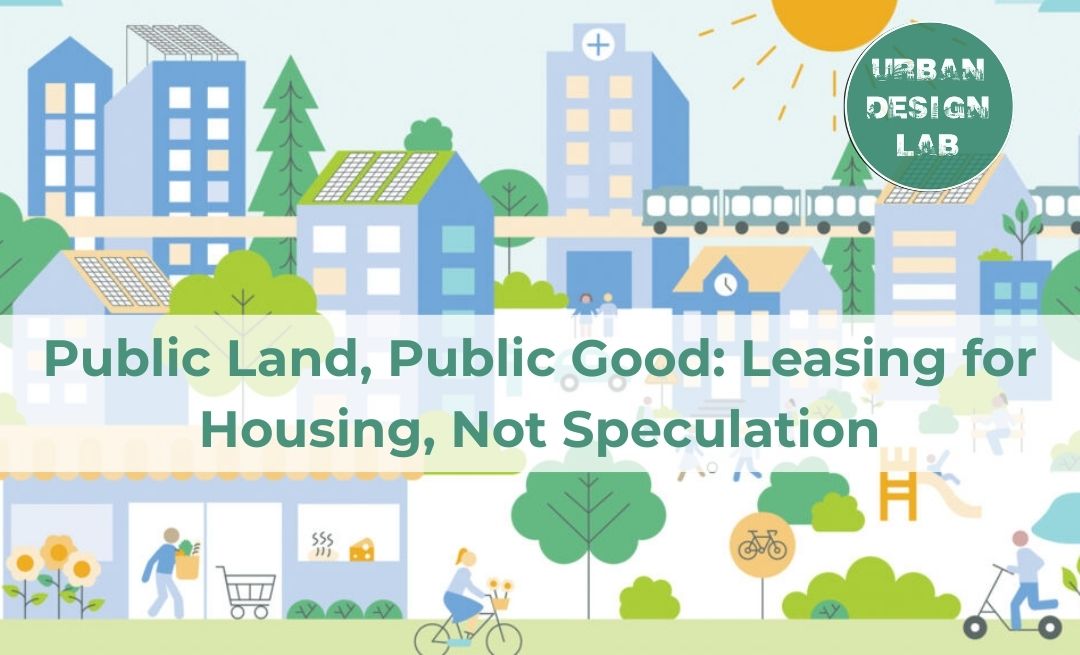
Public Land, Public Good: Leasing for Housing, Not Speculation

The concept of “Public Land, Public Good: Leasing for Housing, Not Speculation” emphasizes the strategic use of public land to address housing needs while preventing speculative practices that can drive up costs and displace communities. By leasing public land for affordable housing development, municipalities can retain ownership, ensure long-term affordability, and generate sustainable revenue streams.

Urban Planning and Affordable Housing

Urban planning involves the organized development of land to meet the needs of a growing population, balancing residential, commercial, and recreational spaces. Affordable housing is a critical component of urban planning, ensuring that all residents have access to safe and affordable living conditions. The scarcity of affordable housing often leads to increased homelessness and social inequality.

Benefits of Leasing Over Selling Public Land

  • Long-Term Affordability: Leasing public land for affordable housing allows municipalities to impose conditions that maintain affordability over extended periods. For instance, the City of Los Angeles has implemented a “lease-first” policy, prioritizing long-term ground leases for affordable housing projects. These leases typically span at least 40 years, ensuring sustained affordability and community stability.
  • Retention of Public Assets: By retaining ownership of the land, cities can prevent speculative practices that often lead to rapid gentrification and displacement. This approach allows for better control over land use and development, aligning projects with community needs and values.
  • Revenue Generation: Long-term leases can provide a steady income stream for municipalities, which can be reinvested into further public services and infrastructure. For example, Hong Kong’s leasehold system has enabled the government to capture a significant portion of land value increments, financing substantial infrastructure investments.
  • Flexibility and Adaptability: Leasing agreements can be structured to adapt to changing economic conditions and community needs, allowing for periodic reassessment and adjustment of terms.

Case Studies

  • Colorado, USA: In 2023, Colorado lawmakers proposed utilizing vacant state-owned land to address the housing affordability crisis. The initiative aimed to lease or sell land at a discount for affordable housing projects, with the first planned project near Vail targeting 80 housing units. This approach seeks to alleviate the challenges faced by essential workers in high-cost areas.
  • Maricopa County, Arizona, USA: The La Esperanza Terrace project developed 96 affordable rental housing units on 3.45 acres of land formerly owned by the Isaac School District. The project was made possible through the School District Surplus Land Initiative, which facilitated the use of surplus public land for affordable housing development.
  • Darebin, Australia: The Harbour project in Darebin piloted a 50-year lease of underutilized council-owned land to deliver 39 high-quality, sustainably designed social housing dwellings. This initiative demonstrates how long-term leasing can effectively address housing needs while retaining public ownership.

Conclusion

Leasing public land for affordable housing presents a strategic approach to urban planning that balances the need for housing with the preservation of public assets and community interests. By adopting leasing models, municipalities can foster sustainable development, prevent speculative practices, and ensure that housing remains accessible to all residents.

This essay discusses the way in which the world housing crisis can be solved by putting affordability, social fairness over and above speculative development using the public land. It argues commercialisation of the state through selling land to individual investors, deprives groups of their resources, and endangers long-term urban planning. Governments can remain the owner but enable development to conform to the needs of the community by leasing out government land on long-term basis. Case studies on Vienna, Singapore have demonstrated the efficacy of leasing schemes. This has ensured high rates of homeownership without any bubbles that can be subject to speculation due to the 99-year lease that is provided by the Housing and Development Board to Singapore. The strategy in Vienna is a mixture of nonprofit housing groups with long-term leases, which provides more than half of the population of Vienna with high-quality and affordable houses.  It reveals the role played by community land trusts, other civil society organizations to foster the responsibility and control of land use by the people. Ultimately, the paper recommends property reclaiming of the speculators, incorporating leasing in more holistic housing policies that also embrace the planning of inclusivity, sustainability aims and affordability needs.

Introduction


Landowners | National Planning Policy Framework (NPPF)

The Global Housing Crisis and Land Scarcity


global house prices over the last 10 years

Source: Website Link

Why is Leasing instead of selling?

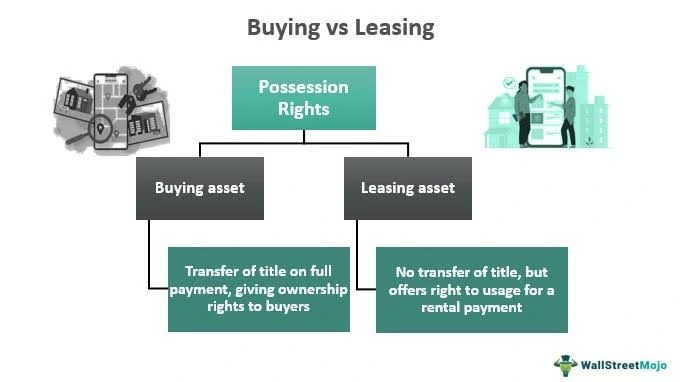
It has merits of leasing government land as accommodation facilities over buying property. Selling of land takes away government control over use of land and in most cases, it results in speculative developments that are more concerned about individual beneficiation at the cost of common good. Leasing enables cities to possess but collaborate with developers or nonprofits to construct housing depending on certain needs. Long-term leases of 50-99 years are the type of leasing mechanism that can give the developers, inhabitants some certainty and ensure that the land would be under possession of the people. The public good may be increased through reinvestment of lease income into community services, infrastructures and housing programs. The plan defends against housing speculation, as lease agreement can contain anti-speculation rules, which in effect prohibit selling at high prices. The leasing rebranding of land as common good which ought to fulfill the long term interest of the society rather than being commodity. In this way, social justice and development requirements will be balanced.

Buying Vs leasing

Public Land as a Collective Resource

Land is not merely a material object, however, it is a source of social, and economic action, therefore, rather than being sold/bought by money, then the public land ought to be maintained as a common good and promoting the community good. Where governments are the land owners, control on land use is increased. This implies that they will be able to formulate legislation that embraces sustainable development, inclusive societies, as well as affordable housing. The use of leasing will also guarantee that the increase in revenue in government land is retained within the community and not in the hands of individual investors; the increment in land value because of the investment of the state and urbanization. Besides, planning long term can occur through land leasing to the people, through the mechanism of aligning urbanization with the objectives of social equality. It is in leasing that one can envision having cities with housing that is affordable by all generations against the speculative building which is not only temporary but also profit making. By viewing land as common good, governments are able to counter privatization and speculation pressure that drives people to urbanize to benefit the present and future generations.

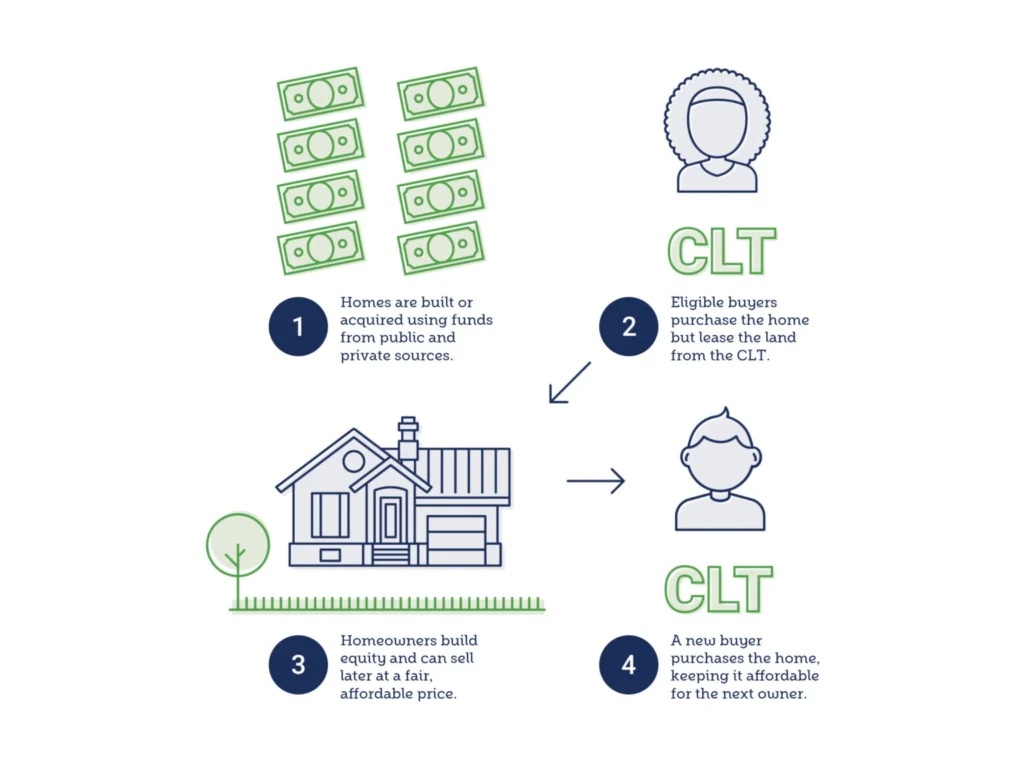
CLTs facilitate permanent affordability by retaining land ownership while enabling housing access for residents

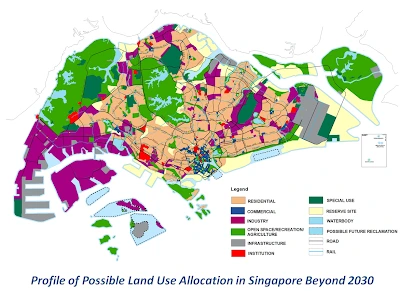
Case Study: Singapore’s Land Leasing Model

Plan to grow space for rising population Land reclamation key plank in bid to ensure quality of life amid growth

Case Study: Vienna’s Social Housing and Land Policy

The Vienna city was known all over the world due to its well-developed social housing system, and it is directly related to its land policy. The local authority is quite prolific in purchasing and keeping land so that whenever there is a need to build low-cost homes there is always the land available since it is rented on long term basis. Vienna has been demonstrated to be very keen on community integration, energy efficiency, and architectural quality, which do not have to be low and stigmatized, and has successfully prevented speculative price growth, as well as ensuring that new housing development is accessible to a very wide range of people by controlling land prices. The significance of land policy as part of housing policies can be illustrated using Vienna. The city has managed to stabilize the housing markets, make them inclusive and resist the pressures of international speculation by recognizing property as social good and incorporating the aspects of affordability in the leasing deals.

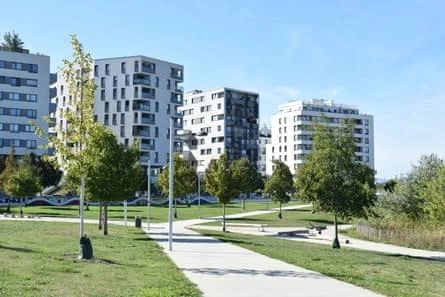
The new urban centre at Seestadt Aspern.

Challenges and Criticisms of Leasing Models

Although all the above are seen as benefits, there are challenges associated with the implementation of the public land leasing programs, which include; financial feasibility of such models where the lease rates are set too low as to generate adequate funds in the local governments. Another factor is poor pricing mechanism which can strain the public funds that are available and limit the amount of money that can be reinvested in the housing programs.Another hindrance is the political opposition that may be experienced by governments that may prefer the land sales to give an immediate inflow of cash particularly during the times of financial crisis. In addition, investors and developers may oppose leasing because they believe that it is too restricted or unprofitable in comparison to the absolute ownership. The critics further state that, by virtue of the fact that in Singapore, there have been debates on what happens when the leasing period is now 99 years old, the leasing can lead to the inhabitants being fearful of the impending expiry of the lease.  Strong governance, well-defined legal frameworks, and political commitment should be used to solve these problems.

Policy Recommendations for Sustainable Leasing Systems

-1

The Role of Civil Society and Communities

The civil society organizations and communities have important role to play in the formation of the regimes of leasing of land by the people. Non-profits, housing cooperatives and grassroots organizations often promote a legislative policy that puts the overall good before the immediate financial good. Their involvement will guarantee that the lease models are sensitive to the needs of locals especially people of marginalized communities who are the most impacted by the housing crisis. One of the impressive examples of the land stewardship by the civil society is the community land trusts (CLTs). The CLTs purchase land usually with government subsidy, and hold on to the land as a long term source of affordable housing. CLTs ensure affordability of housing to future generations as well as discourage speculative selling by separating land ownership and home ownership. These models are used to show that the community governance can enhance the public leasing systems. Transparency, community auditing, involvement in decision making are necessary to ensure corruption or misappropriation of the resources of the people. In case communities are given an opportunity to co-design housing complexes, lease terms to advance more legitimacy and sustainability.

The idea to lease the public land is another nomadic solution to the world housing issues. Leasing will ensure that community assets remain in community control regardless of providing safe and affordable housing, unlike land sales, which will focus on mergers and rob the land of control by the community. Although community-based initiatives such as land trusts underscore the importance of civil society in the process of promoting land justice, case studies of Singapore and Vienna would depict how this model is practical. Although the issues like administrative capacity, political disputes and economic sustainability continue to be a problem, these can be addressed with proper governance, free policy and participation of the people. To ensure that leasing systems deliver long-term affordability, social justice, and sustainability, they should be incorporated in bigger housing policies. It is morally and practically important to reconsider land as a common good because cities experience increased housing deficits. To restore the city space to the common people, resist the pressures of speculation and ensure that the future generations will be left with inclusive, habitable, and equitable cities, one of the solutions is to lease the state-owned land to residences.

Bauer, C., & Herzberg, C. (2019). Vienna: A model of social housing for the 21st century. Journal of Housing Studies, 34(7), 1155–1173.

Belotti, E., & Arbaci, S. (2021). Public land policies and housing affordability in European cities. Urban Studies, 58(9), 1832–1850.

Fields, D., & Uffer, S. (2016). The financialisation of rental housing: A comparative analysis of New York City and Berlin. Urban Studies, 53(7), 1486–1502.

Harvey, D. (2008). The right to the city. New Left Review, 53, 23–40.

Hickey, R., & Sturtevant, L. (2015). Public land & affordable housing in the Washington DC region. Urban Land Institute.

OECD. (2021). Brick by brick: Building better housing policies. OECD Publishing.

Plüss, C. (2020). Land for the public good: Public leasing systems and housing affordability. International Journal of Housing Policy, 20(3), 289–307.

Tsenkova, S. (2021). Housing policy and housing systems in Europe: Trends and challenges. Springer.

Wetzstein, S. (2017). The global urban housing affordability crisis. Urban Studies, 54(14), 3159–3177.

Yuen, B. (2011). Singapore: Planning and housing in a city-state. In S. Hamnett & D. Forbes (Eds.), Planning Asian cities: Risks and resilience (pp. 121–138). Routledge.
Şeyma İncin

Seyma Incin is an urban planner with an interest in research and community development. She is passionate about creating inclusive, well-organized, and sustainable communities through education, participation, and thoughtful planning. Her work often focuses on understanding local needs and designing approaches that strengthen public well-being and social connection. Seyma is dedicated to supporting community-led initiatives and believes in the power of collaboration to build healthier, more resilient environments.

Leave a Reply

Your email address will not be published. Required fields are marked *

This site uses Akismet to reduce spam. Learn how your comment data is processed.

Related articles

UDL Thesis Publication 2025

Call for Abstracts now open!

UDL GIS

MASTERCLASS

Urban Mapping, Analysis and Representation

Session Dates

12th-16th October, 2026

Curating the best graduate thesis projects globally!

Publish your work and get recognized globally!

Free E-Book

From thesis to Portfolio

A Guide to Convert Academic Work into a Professional Portfolio”

Urban Design Lab

Be the part of our Network

  • Stay updated on workshops, design tools, and calls for collaboration

  • Thesis Report Writing for Architecture and Urban Studies

    Join Our WhatsApp Group

    Recent Posts

    Sign up for our Newsletter

    “Let’s explore the new avenues of Urban environment together “

    E-Book- From Thesis To Portfolio

    A Guide to Convert Academic Work into a Professional Portfolio