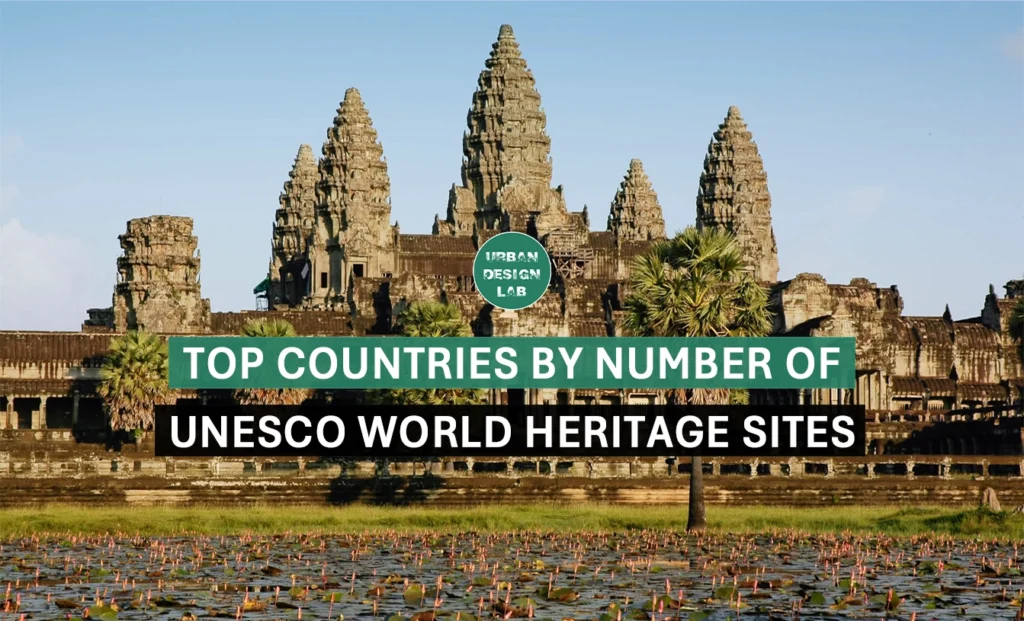
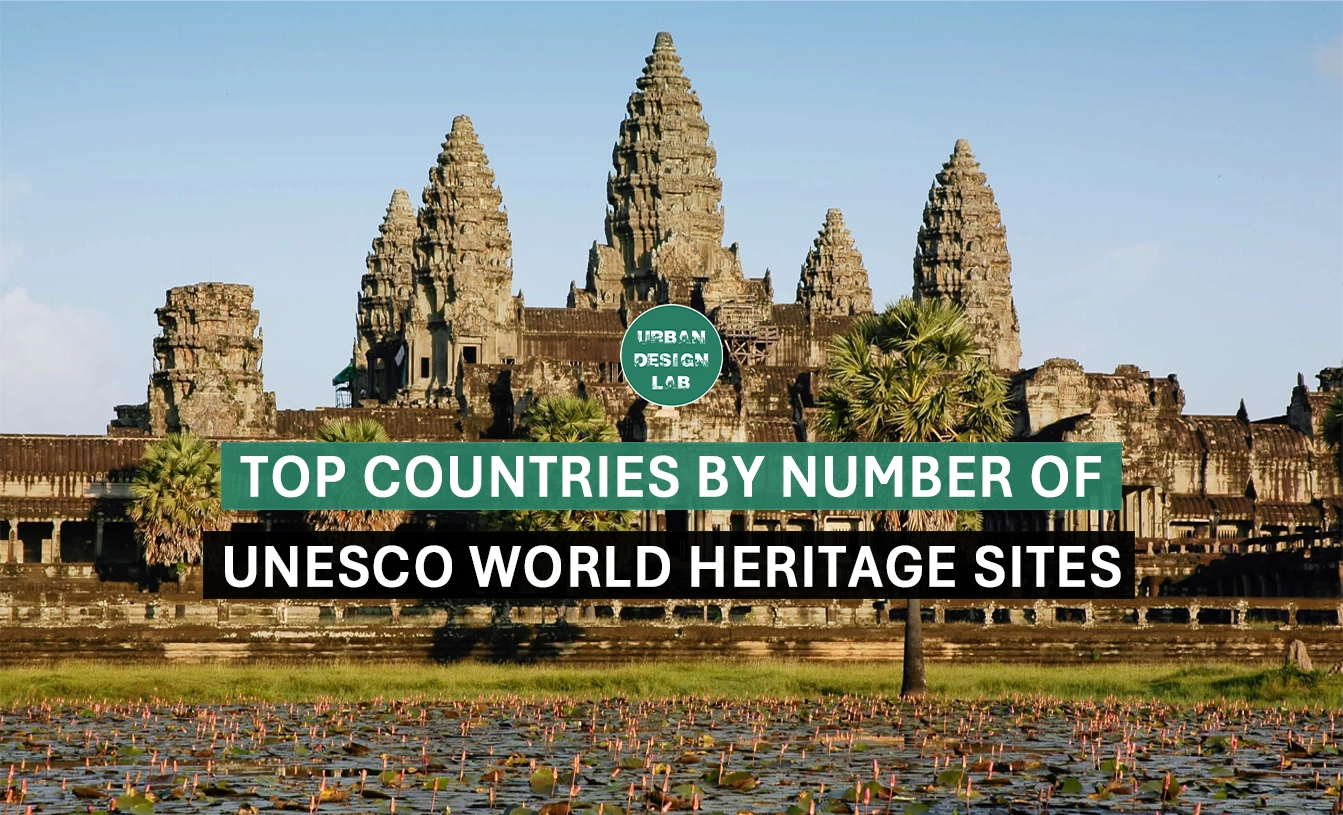
Italy currently leads the world with 61 UNESCO World Heritage Sites, a testament to its unparalleled legacy as the heart of the Roman Empire and the cradle of the Renaissance. This dominance in the global ranking highlights a strategic commitment to preserving its vast cultural and natural treasures.
Following closely is China, which boasts 60 sites, reflecting its own deep history and diverse landscapes, from the Great Wall to the Forbidden City. The top ranks are further populated by European countries, including Germany (55 sites), France (54 sites), and Spain (50 sites), collectively demonstrating the continent’s rich historical narrative and architectural innovation. The distribution of these sites across the globe underscores the varied approaches to heritage conservation and the universal value placed on these irreplaceable landmarks. This article delves into the top-ranking countries, exploring the unique character and significance of their sites, and examines the criteria that make a location worthy of this prestigious international recognition. We will explore how these rankings are not merely a count but a reflection of a nation’s identity and its role in contributing to the world’s shared heritage.

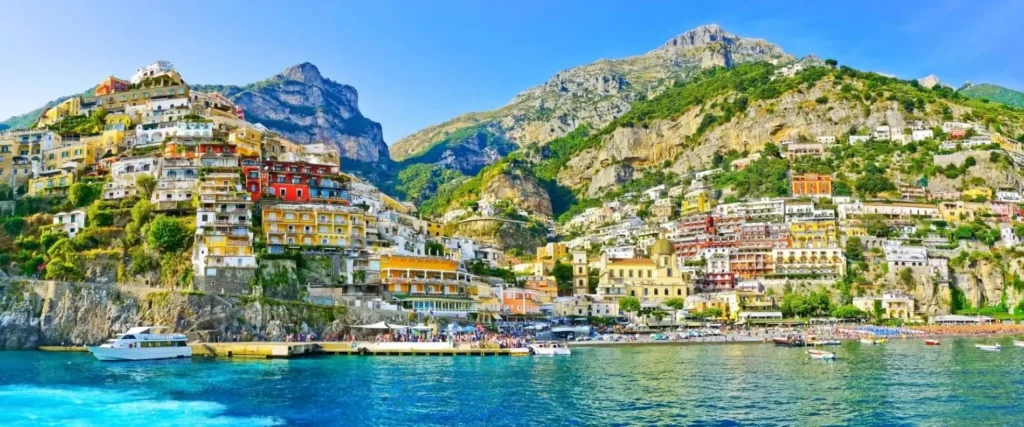
Italy stands at the pinnacle of the UNESCO World Heritage Site list with a remarkable 61 properties, solidifying its reputation as a global cultural powerhouse. The country’s immense number of sites is a direct result of its extensive history, spanning from the powerful Roman Empire to the artistic and intellectual explosion of the Renaissance. These sites are not just monuments; they are living chapters of human history. For example, the Historic Centre of Rome is an open-air museum featuring iconic structures like the Colosseum, the Roman Forum, and the Pantheon, all of which tell the story of one of history’s most influential civilizations. Similarly, the city of Florence, a jewel of the Renaissance, is a testament to the transformative power of art and architecture, with masterpieces by legends like Michelangelo and Leonardo da Vinci. Beyond its cultural significance, Italy also protects breath taking natural landscapes, such as the dramatic cliffs of the Amalfi Coast and the volcanic landscapes of Mount Etna, further cementing its top position and proving its diverse and profound contribution to global heritage.
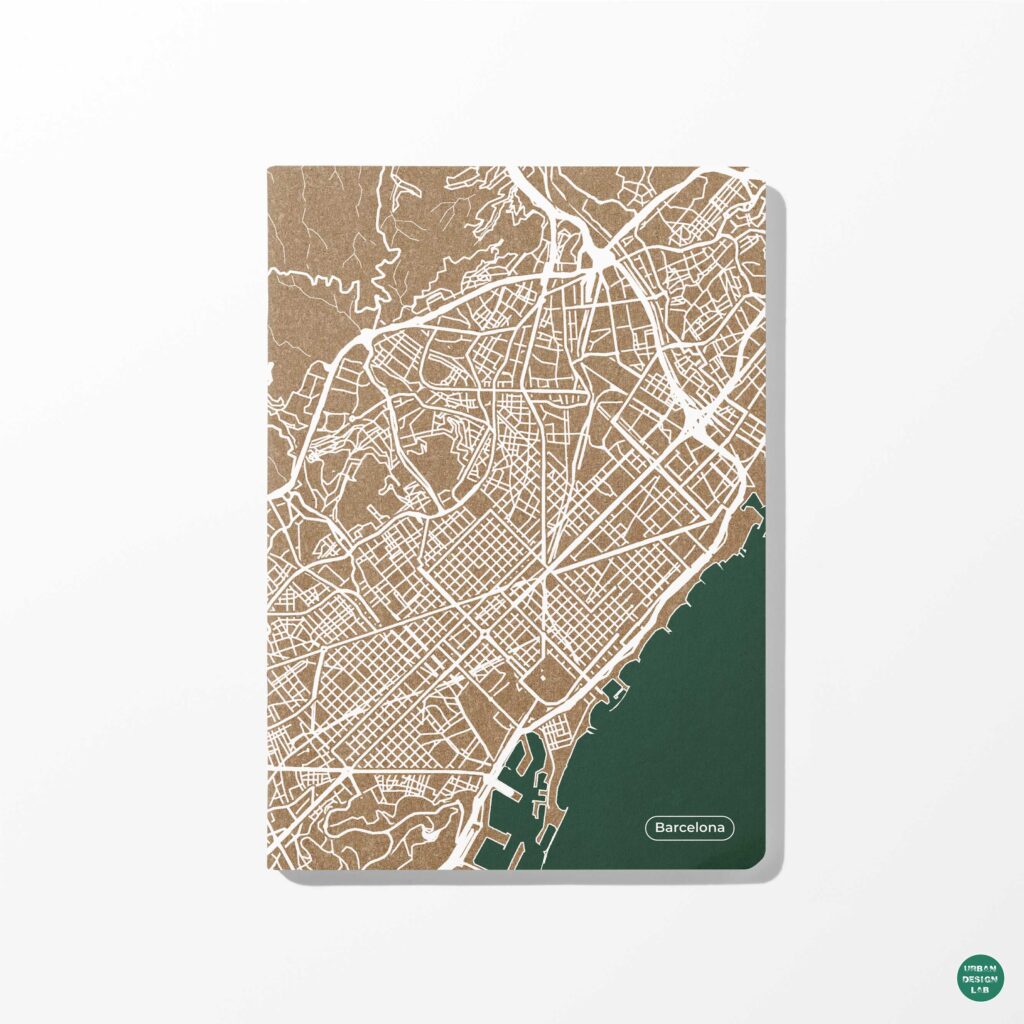
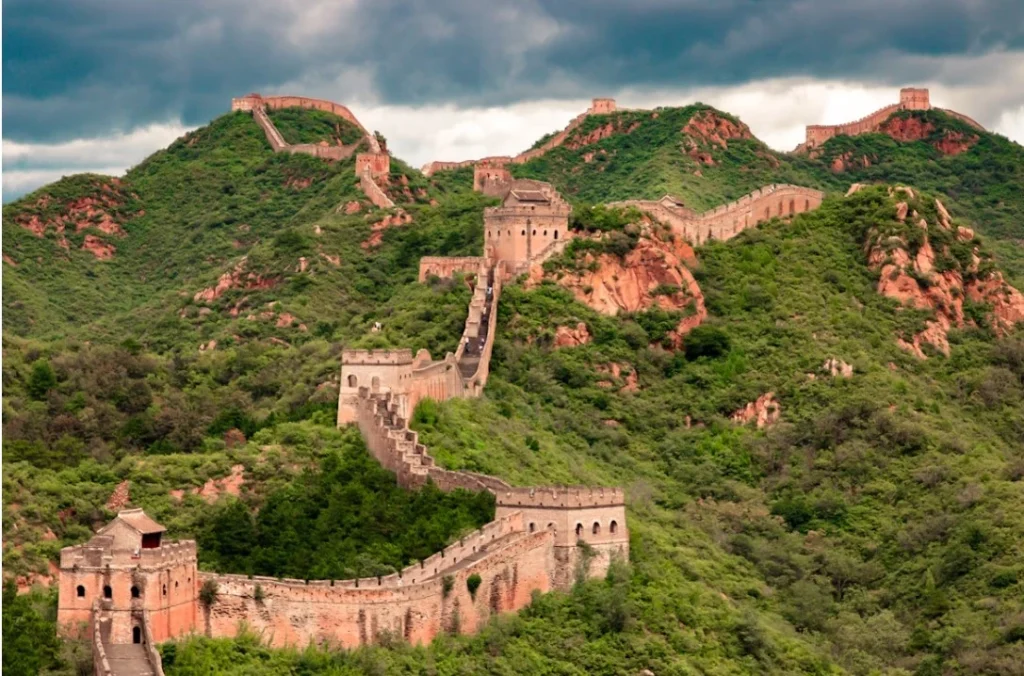
With a staggering 60 World Heritage Sites, China is a close second to Italy, showcasing a legacy that is as vast as its geography. China’s sites are a captivating blend of ancient cultural heritage and unparalleled natural beauty. The most famous is undoubtedly the Great Wall, an awe-inspiring feat of engineering that snakes across thousands of miles of rugged terrain. It symbolizes not only historical defence but also a deep connection to the land. Within Beijing, the Forbidden City stands as the largest palace complex in the world, a well-preserved icon of imperial power and traditional Chinese architecture. The Mausoleum of the First Qin Emperor, home to the world-famous Terracotta Army, offers a stunning glimpse into the country’s ancient past and its reverence for its leaders. China also protects remarkable natural wonders, from the breathtaking karst landscapes of Guilin to the unique sandstone pillars of Wulingyuan, which demonstrate the country’s commitment to conserving both its human and geological history for future generations.
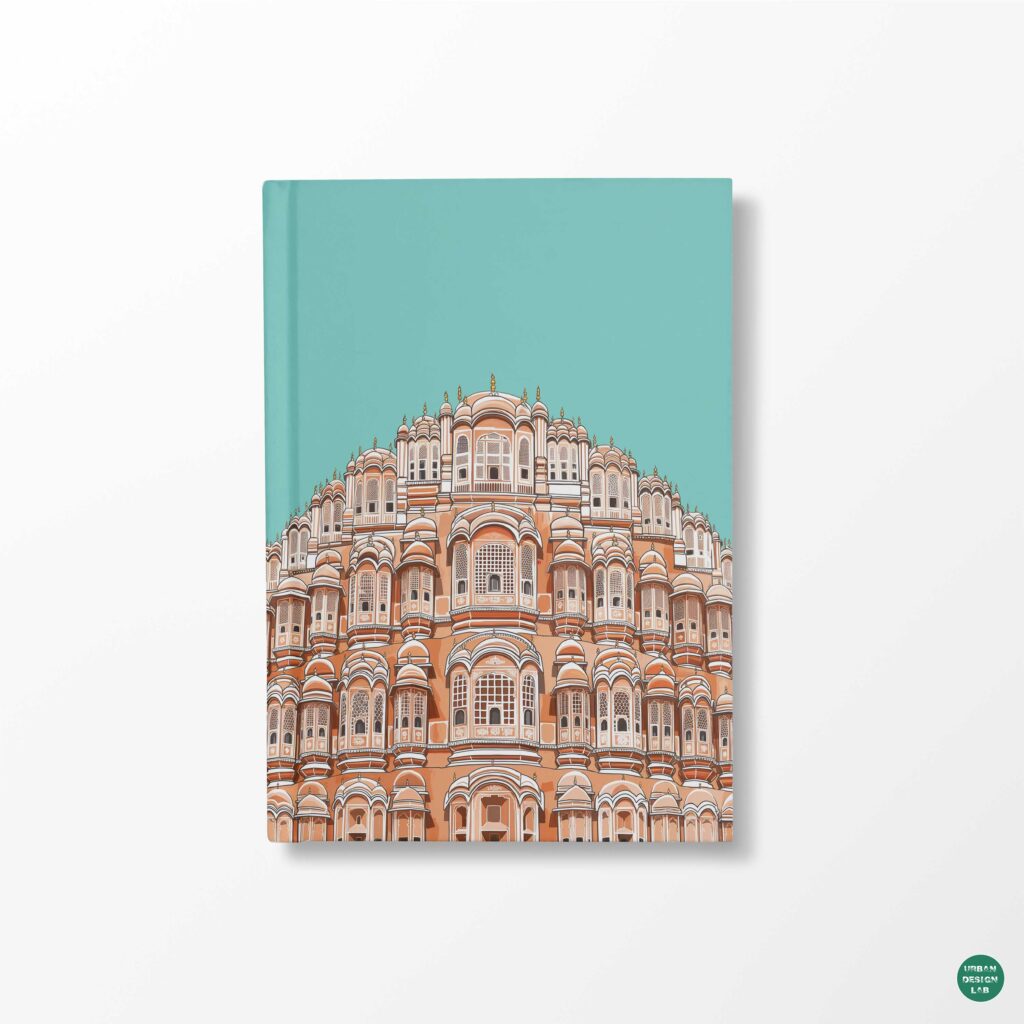
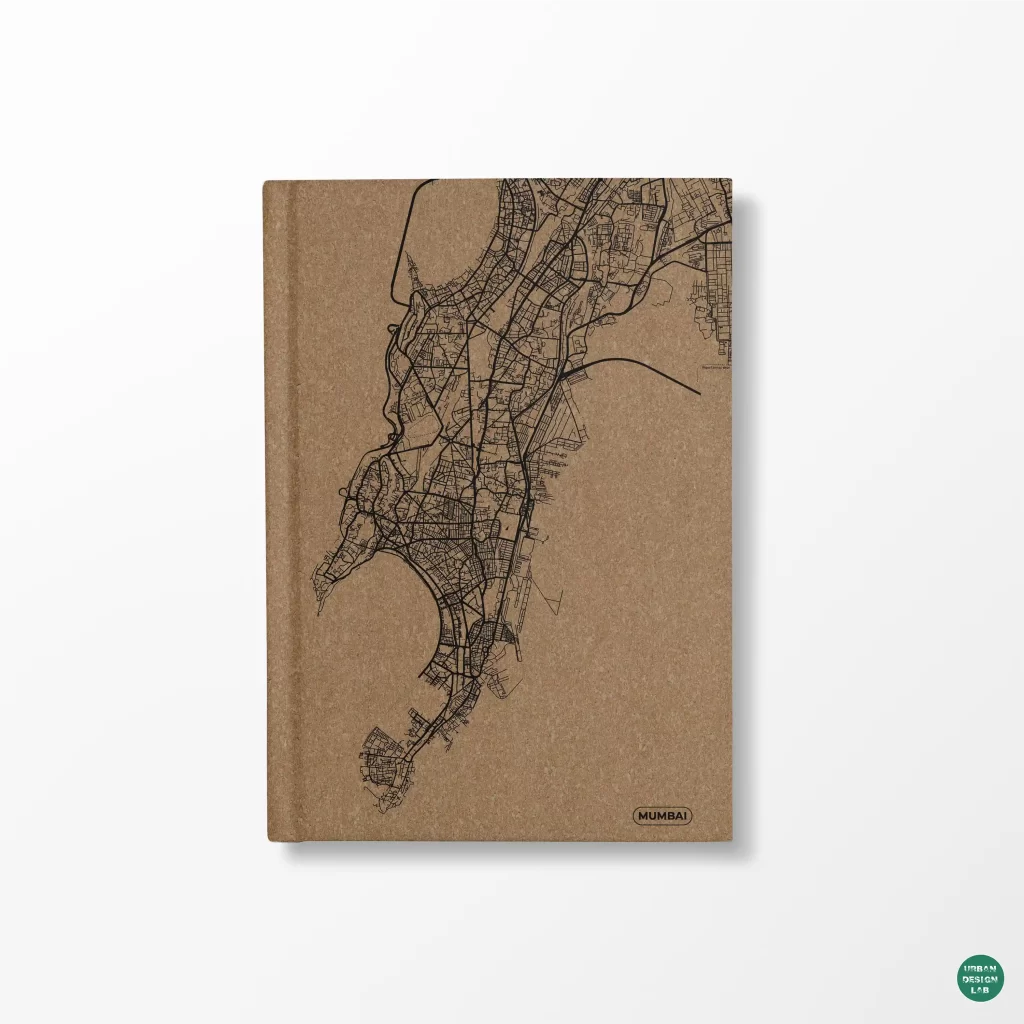
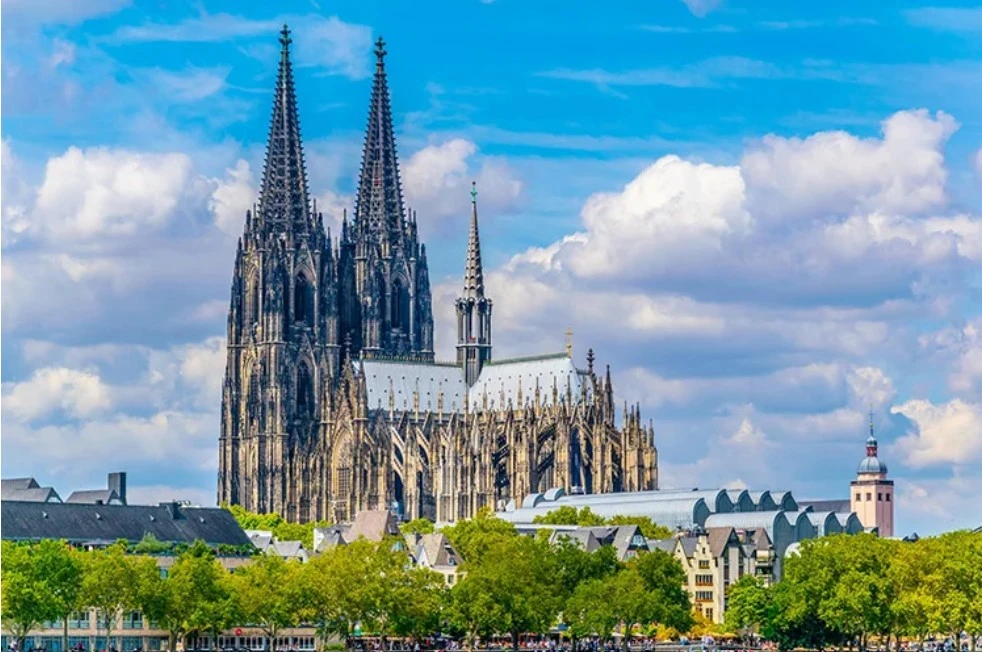
Germany secures the third position with 55 UNESCO sites, a diverse collection that reflects the nation’s rich tapestry of history, industry, and culture. The sites range from majestic religious structures to innovative industrial complexes. The Cologne Cathedral, a masterpiece of Gothic architecture, dominates the city skyline and stands as a powerful symbol of European Christianity and artistic achievement. Another notable site is the Museum Island in Berlin, a complex of five world-renowned museums that collectively chronicle millennia of human civilization. Germany’s commitment to preserving its industrial heritage is evident in sites like the Zollverein Coal Mine Industrial Complex in Essen, which once was the largest and most modern coal mine in Europe and is now a celebrated monument to industrial design and a pivotal era in the continent’s development. These sites collectively highlight Germany’s multifaceted past and its dedication to protecting and celebrating its varied heritage for all to experience.
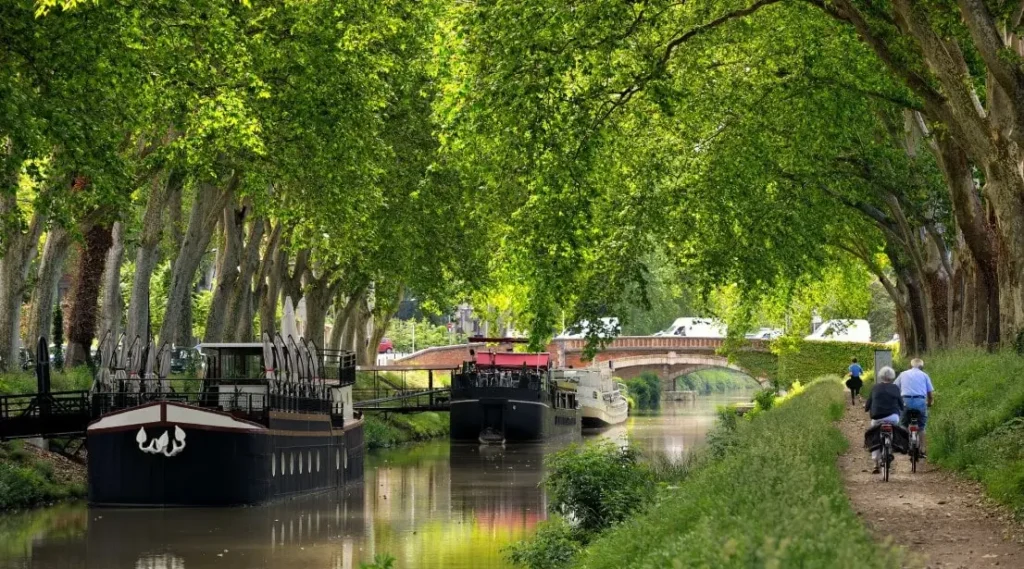
Holding the fourth position with 54 UNESCO sites, France’s listings are a stunning testament to its long-standing influence on global culture, art, and architectural design. The country’s sites encapsulate centuries of monarchy, revolution, and creative expression. The Palace and Park of Versailles is a monumental example of opulent Baroque design, symbolizing the power of the French monarchy and the artistry of its time. The Banks of the Seine in Paris are not just a waterway but a cultural landscape, lined with iconic landmarks like the Eiffel Tower, Notre Dame Cathedral, and the Louvre Museum. This site exemplifies the unique integration of urban life and historic preservation. Beyond the cities, France has preserved extraordinary feats of engineering like the Canal du Midi, a 17th-century marvel that links the Atlantic Ocean to the Mediterranean Sea and is a pioneering achievement in civil engineering. The French sites are a masterclass in blending historical grandeur with modern-day relevance, ensuring their continuous value.
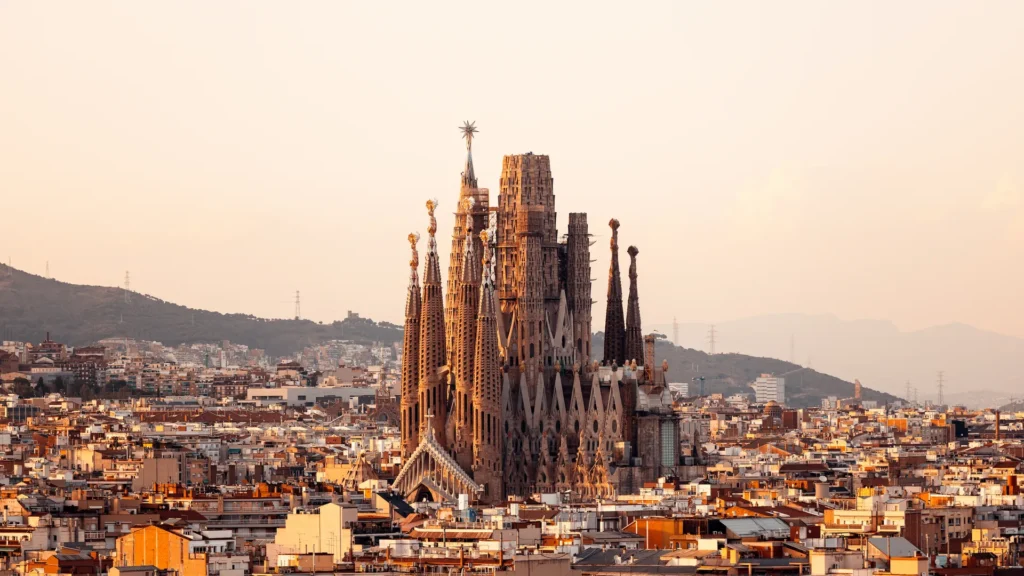
Spain ranks fifth with 50 UNESCO sites, a reflection of its vibrant and complex history, marked by the influence of various civilizations. The country’s sites are a compelling mix of Roman ruins, Islamic architecture, and Christian monuments. The works of Antoni Gaudí in Barcelona, including the Sagrada Família and Park Güell, are a unique fusion of nature and architecture that define Catalan Modernism and demonstrate the power of artistic innovation. The Alhambra, Generalife, and Albayzín in Granada are a breathtaking example of Islamic art and architecture in Europe, showcasing the rich cultural synthesis that defined medieval Spain. The Camino de Santiago, an ancient pilgrimage route, is not a single location but a cultural journey of faith and history. This site stands as a testament to the spiritual and cultural movements that have shaped Europe for centuries. Spain’s heritage sites offer a window into a past where different cultures converged to create something truly unique and beautiful.
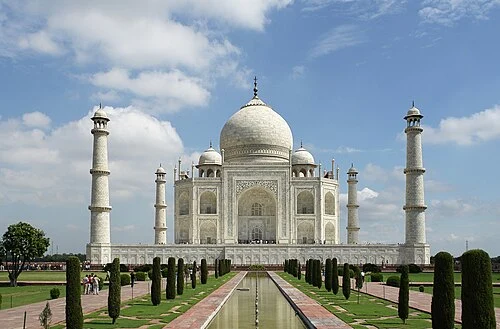
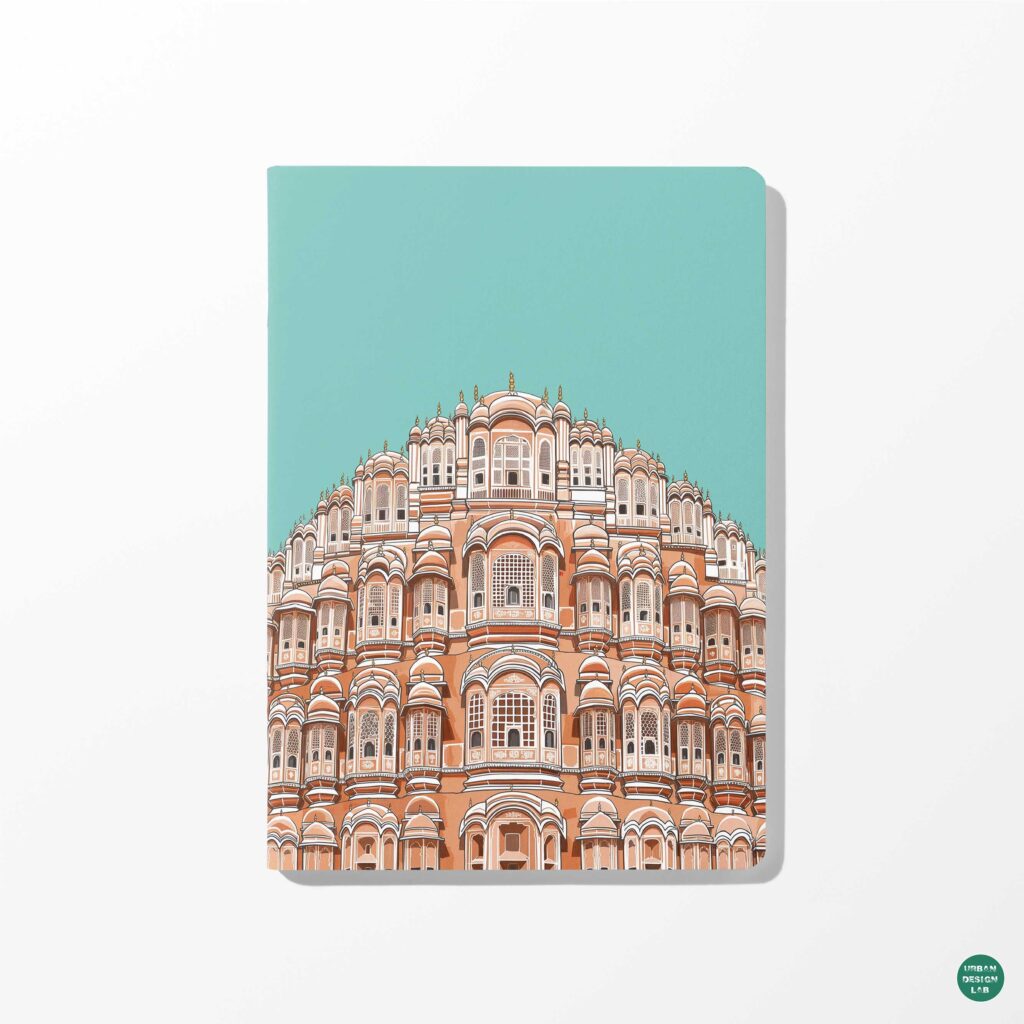
India, a nation of rich and diverse traditions, is home to a significant number of UNESCO sites, holding the sixth position with 42 properties. These sites represent a profound mix of ancient spirituality, architectural brilliance, and natural wonder. The majestic Taj Mahal in Agra is perhaps the most famous, a timeless symbol of love and a stunning example of Mughal architecture. The Forts of Rajasthan, a series of grand defensive structures, showcase the unique military architecture and cultural traditions of the Rajput kingdoms. The Konark Sun Temple in Odisha, shaped like a colossal chariot, is a masterpiece of Hindu architecture and a testament to the sophisticated engineering of its time. India’s sites are not just historical relics; they are active places of worship, cultural hubs, and symbols of national identity. From the spiritual serenity of the Buddhist monuments at Sanchi to the vibrant rock art of Bhimbetka, India’s listings offer a rich and varied narrative of human history and creativity.
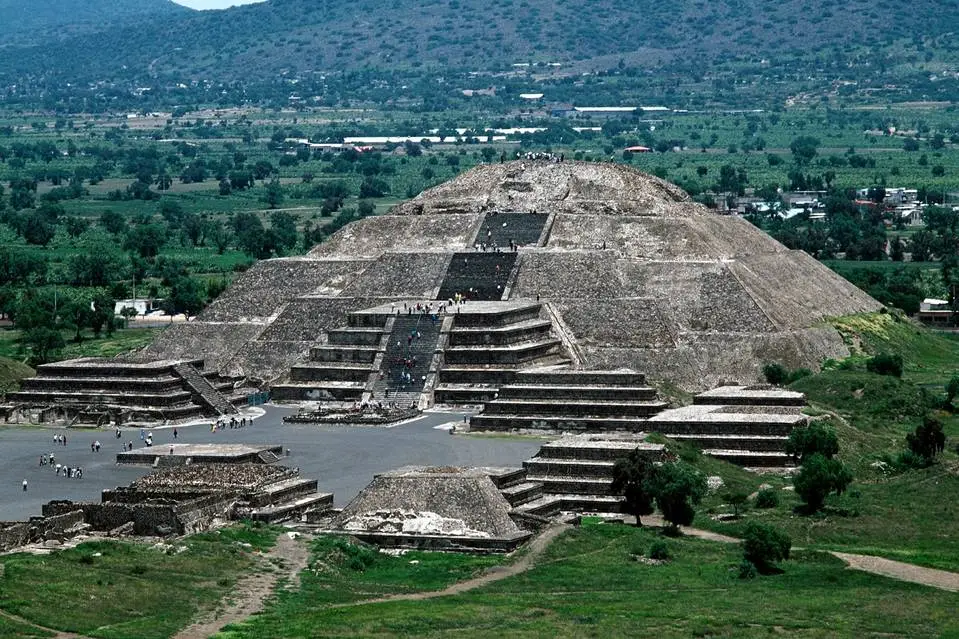
Mexico holds the seventh position on the list with 35 UNESCO sites, a testament to its extraordinary heritage as the home of some of the most advanced ancient civilizations in the Americas. The country’s sites are a fascinating chronicle of its pre-Hispanic and colonial eras. The ancient city of Teotihuacan, with its monumental Pyramids of the Sun and Moon, reveals the scale and complexity of a powerful pre-Columbian civilization. Similarly, the city of Chichen Itza, a sacred Mayan site, features the iconic El Castillo pyramid, a symbol of the advanced astronomical knowledge of the Mayan people. Mexico also boasts stunning examples of colonial urban planning, such as the Historic Centre of Mexico City and the city of Oaxaca, which showcase the beautiful fusion of indigenous cultures with Spanish architectural styles. These sites highlight a unique historical narrative where the remnants of ancient cultures coexist with the layers of a more recent, vibrant past, offering a powerful representation of Mexico’s complex and captivating identity.
The global ranking of UNESCO World Heritage Sites provides a clear snapshot of where the world’s most significant cultural and natural treasures are concentrated. While Italy’s leading position is a testament to its unparalleled classical and Renaissance legacy, countries like China, Germany, France, and Spain follow closely, each contributing a unique and invaluable set of sites to the global inventory. The addition of countries like India and Mexico in the top ranks further underscores the diversity of human history and the importance of preserving heritage from all continents and eras. The number of sites a country possesses is more than a statistic; it is a reflection of its rich history, its cultural identity, and its commitment to safeguarding these irreplaceable properties for future generations. UNESCO’s role is critical in this process, ensuring that these sites are not only celebrated but also protected, allowing them to continue to inspire and educate people worldwide. The ongoing efforts to identify and list new sites ensure that our collective heritage remains a priority on a global scale.
Shatakshi Patil is a passionate urban designer with a strong foundation in architecture and a commitment to creating inclusive, sustainable spaces. She brings a global perspective to her work, combining strategic thinking with technical proficiency in urban planning and design. Known for her initiative and research-driven approach, she excels at transforming complex urban challenges into people-focused solutions. Her work reflects a balance of creativity, precision, and a deep sensitivity to context.


Urban Mapping, Analysis and Representation
Session Dates
Stay updated on workshops, design tools, and calls for collaboration
“Let’s explore the new avenues of Urban environment together “
| Cookie | Duration | Description |
|---|---|---|
| cookielawinfo-checkbox-analytics | 11 months | This cookie is set by GDPR Cookie Consent plugin. The cookie is used to store the user consent for the cookies in the category "Analytics". |
| cookielawinfo-checkbox-functional | 11 months | The cookie is set by GDPR cookie consent to record the user consent for the cookies in the category "Functional". |
| cookielawinfo-checkbox-necessary | 11 months | This cookie is set by GDPR Cookie Consent plugin. The cookies is used to store the user consent for the cookies in the category "Necessary". |
| cookielawinfo-checkbox-others | 11 months | This cookie is set by GDPR Cookie Consent plugin. The cookie is used to store the user consent for the cookies in the category "Other. |
| cookielawinfo-checkbox-performance | 11 months | This cookie is set by GDPR Cookie Consent plugin. The cookie is used to store the user consent for the cookies in the category "Performance". |
| viewed_cookie_policy | 11 months | The cookie is set by the GDPR Cookie Consent plugin and is used to store whether or not user has consented to the use of cookies. It does not store any personal data. |